About me
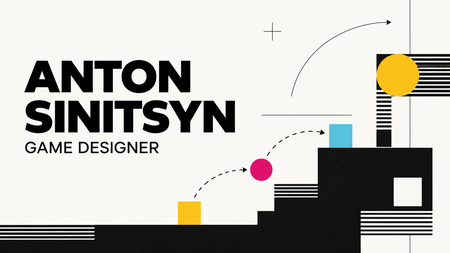
Hi, I’m Maria, a game designer who is drawn to games built around unusual challenges.
I like to prototype an idea quickly, put it in front of real players as early as possible, and keep refining it until the core loop feels right. I’ve worked independently and in teams.
My Focus: — Game design — Core loop and systems design — Level and route design — Balancing and game economy — Prototyping and playtestingTools I Use: — Roblox Studio — Unity — Unreal Engine 5 — Figma — Miro — Notion
Throughout my studies, I have completed several projects, ranging from Roblox experiences and game jam submissions to projects built in Unity and Unreal Engine 5.
Baby Delivery
A cooperative parkour game where every run begins with a random baby and ends on a cloud. Made on Roblox as a solo project.
It has become difficult for developers to stand out on Roblox. There are so many game modes, and many of them look and feel alike.
The goal was to create a mode with a truly unique mechanic that invites players to team up with friends, makes every run feel different from the last, and still provides a clear sense of progression.
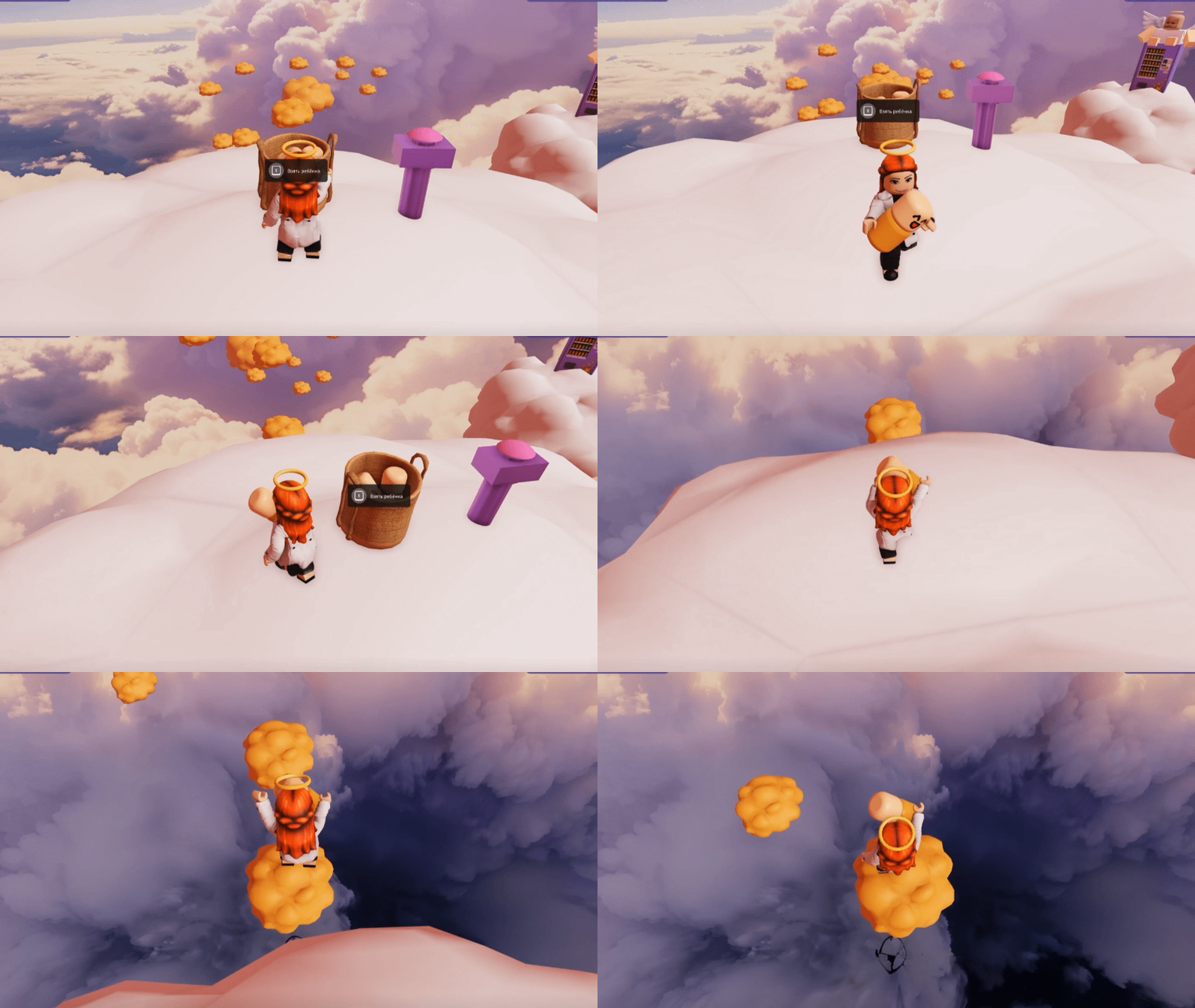
Baby Delivery was developed as a cooperative parkour mode where every run feels different.Each run is a simple loop: pick up a baby, choose a route, reach the finish, earn coins, and spend them on an upgrade.To make the game stand out, babies are handed out randomly, each in a different swaddle, ensuring no two runs begin the same way. Coins can purchase one of several upgrades, such as increased speed or higher jumps. Players build their own playstyle and feel their progress with every run.
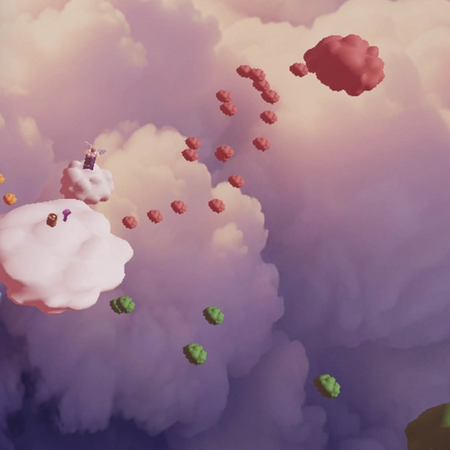
As a result of my work, Baby Delivery became a cooperative Roblox mode where every run feels different. Four routes with unique mechanics, randomized babies, and a choice of upgrades gave players a reason to return, play with friends, and see their progress.
Cupid’s Arrow
A chaotic reimagining of ping-pong where two rival kings must bounce a love arrow back and forth until they finally reach an accord.
Classic ping-pong is easy to pick up, but for many players, it becomes monotonous after just a few minutes of the same back-and-forth.
The goal was to reimagine it as a game that stays exciting from the first rally to the last—one rich with a clear narrative and plenty of surprises on the field.
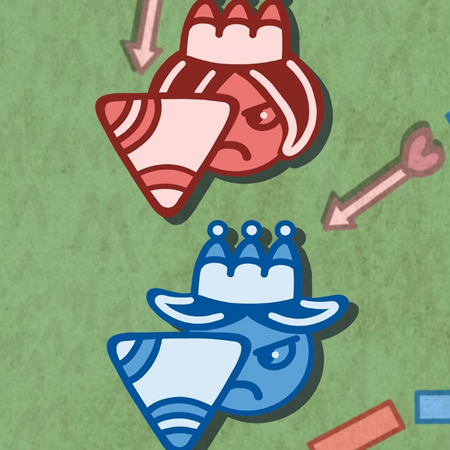
Two kings confront each other with armies of soldiers behind them. Instead of a ball, they bounce Cupid’s arrow, which is meant to reconcile the rulers. Each time the arrow passes a king and strikes a soldier, that soldier flees the battlefield.The fewer soldiers remaining, the greater a player’s power becomes. Abilities unlock as the army shrinks: slow down time, add one extra arrow, or add two. When only one soldier is left, every ability can be used again.Therefore, losing does not mean falling behind — the losing player acquires stronger tools, transforming the match into a tense, unpredictable battle.
Player feedback indicated that the abilities transformed the experience. Matches became livelier and more fun, and the constant chaos on the field kept players engaged.
I showcased Cupid’s Arrow at a game exhibition, where it quickly became one of the most popular games among visitors. Players kept returning to it due to its unique challenge and the dynamic energy of the matches. I designed the core concept, the rules, and the comeback ability system that ensures every match is unpredictable. I believe that a classic can be given new life when a simple mechanic—like unlocking power through losses—alters how players perceive the game.
Krysgrad
A 3D city-building simulator where the player grows a colony of rats in the sewers.
This was a team project of four, in which I served as the game designer.
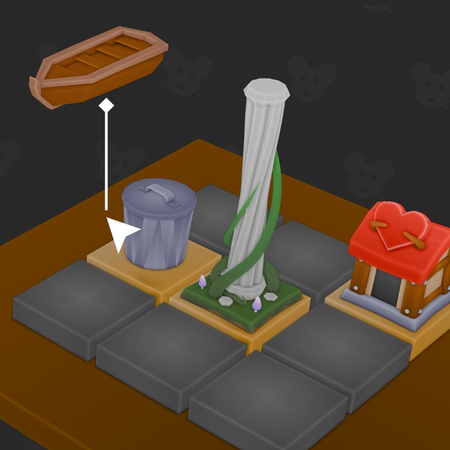
Kryskrat is a 3D city-building simulator set in the sewers. The player builds and develops a rat colony, transforming a dark and cramped underground space into a thriving metropolis.My approach was to ensure the design was clear and shared by the entire team. I consolidated all the mechanics into a single game design document, allowing every team member to visualize how the systems interrelate.
Kryskrat was a complex project for a small team. Early in development, the game designer left, leaving the team without anyone responsible for the game’s design.
I stepped into this role. The task was to bring order to a growing set of ideas and decide what the game truly needed so that the project could move forward and be completed.
I started by structuring all the existing mechanics in the design document. Then, I collaborated with the team to decide which mechanics to keep and which to cut, ensuring the scope remained realistic for a four-person team.
I also focused on the game’s systems, making sure that the mechanics supported each other and that the gameplay remained cohesive. Throughout the project, I helped the team understand how each mechanic functioned and why it was included.
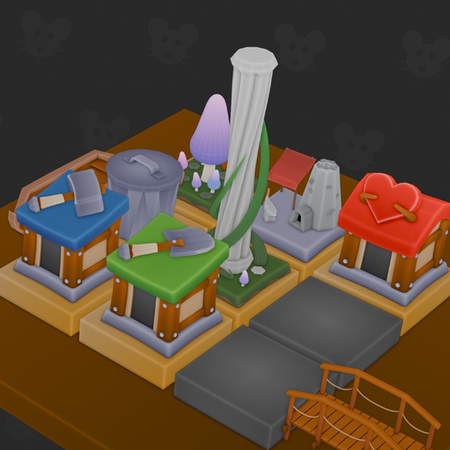
With a clear design document and a focused set of mechanics, the team was able to move forward and complete the project.I led the work on the design document, guided decisions about which mechanics to keep, and supported the team in understanding the systems.
As a result, the team developed a clear game design document and a focused set of mechanics, moving the project from uncertainty to completion. By taking over the design role midway, I helped four people collaborate to bring Kryskrat to a successful finish.
Want to create something together?