How communication theory works in design
In contemporary communication theory, design is no longer viewed as a linear transfer of information from a sender to a receiver. Instead, communication is understood as something that happens through interaction, context, materials, and atmosphere. A design object becomes a mediator that shapes the user’s experience and influences how a person interprets and feels the surrounding environment.
Light is especially important here because it is a non-verbal and emotional medium. It communicates through brightness, color temperature, direction, shadows, and reflections. Even without explicit messages, light creates a certain emotional tone — calm, focused, intimate, energetic, etc. Therefore, light-based design can be considered a form of affective communication, where the message is not text but atmosphere.

According to embodied interaction theory, people understand objects not only through vision but also through action and touch. If a user can rearrange, connect, or modify elements, they become an active participant in the communication process. This is the foundation of participatory and co-creation design.
Interaction becomes its own kind of message: the object communicates through the way we use it.
This is essential for Lumi: the user creates their own light composition, which makes the object more personal and emotionally meaningful.

Communication theory helps us understand light design as:
✦ communication through atmosphere
✦ emotional influence through sensory qualities
✦ meaningful material choices
✦ participation and co-creation
✦ interaction as a message
✦ the object as a mediator, not a tool
These ideas became the theoretical foundation for constructing the Lumi brand.
Lumi: Presentation for a general audience
What is Lumi?
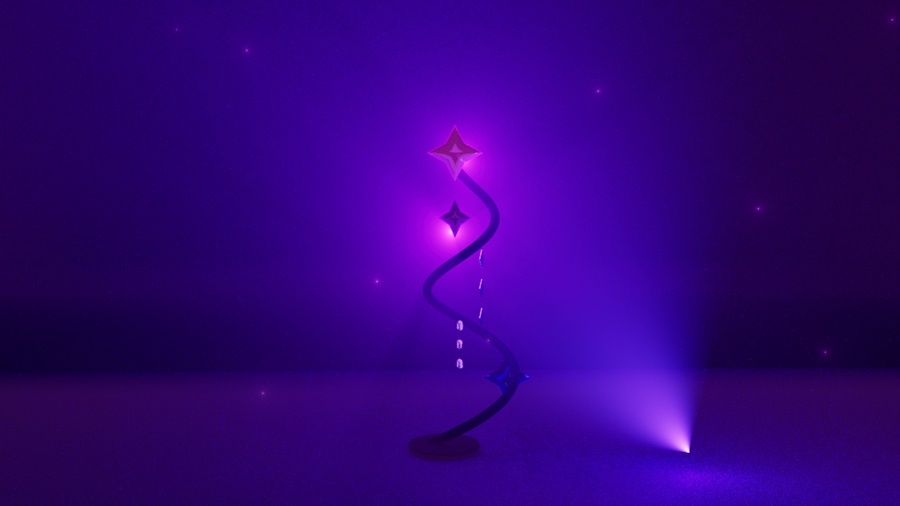
Lumi is a new kind of lamp that you can change and build yourself.
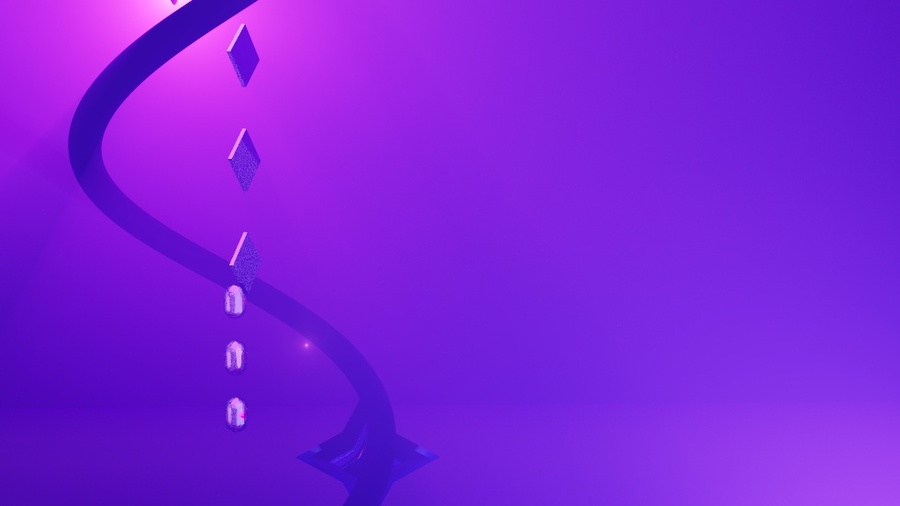
Instead of buying one finished lamp, you get a base (a standing lamp or a flat board) and many small light pieces made of glass, mosaic, or mirror. You can place these pieces on the base, move them around, combine them, and create your own light shapes.
It’s like creating your personal light art at home — simple, calming, and beautiful.

Today people want their homes to feel unique and personal. At the same time, many of us look for small, calming activities that help us relax after a long day.
Lumi is made exactly for this:
✦ to help you create your own cozy atmosphere
✦ to bring a moment of calm and creativity
✦ to make lighting fun and personal
Lumi makes your space feel more «yours».
What makes Lumi special

It’s personal: you make a lamp that looks exactly the way you want.
It’s calming: moving the pieces and creating your own light design feels relaxing — almost like a quiet evening hobby.
It’s beautiful: glass and mosaic pieces create soft reflections, gentle glows, and warm, cozy light.
It’s easy: no tools, no instructions. Just place a piece — and it shines.
Lumi gives you:
✦ a cozy mood in the room
✦ a small creative break from screens
✦ a sense of control and comfort in your space
Lumi: Presentation for a professional audience
Lumi is a modular lighting system that allows anyone to create their own light environment.
Lamp is designed as a balance between technology and creativity: a light object that you can build, customize, and transform according to your mood.
Lumi is not limited to private homes. Its adaptable format makes it suitable for hospitality interiors (restaurants, hotels, lounges), creative studios and offices, museums and galleries, public or semi-public installations, educational or workshop settings.
Because the modules are small and easy to reorganize, Lumi supports ongoing experimentation — valuable for spaces that evolve frequently or rely on dynamic visual identity.
Communication strategy for professional contexts
Interpersonal communication
The product invites a direct, hands-on dialogue between the user and the object. Instead of a fixed lamp, Lumi offers a negotiated experience, where meaning and aesthetic value are shaped through interaction. This aligns with theories of participatory meaning-making.
Group and collective communication
Lumi’s interactive nature allows for shared use — workshops, group installations, or collaborative displays. The system encourages co-creation, which makes it relevant for educational contexts and community projects.
Conceptual framework
At the center of Lumi’s identity is a single idea: light as an interface between humans, objects, and space.
This concept shapes:
✦ the aesthetics (reflections, materials, modularity)
✦ the technology (induction, magnetic connection)
✦ the brand’s long-term direction (expansion through modules)
For professionals, Lumi stands not as one lamp but as a design and technology ecosystem. It combines innovation, visual adaptability, and collaborative potential, transforming lighting into an evolving, interactive experience rather than a static product.
Communication theory for the presentation development
Conceptual framework