GENERAL THEORETICAL PART
Communication theory in the field of design and online media considers communication not as a one-way transmission of information, but as a process of co-creating meanings that takes place within a specific social and cultural context.
Modern web services and online media function not only as channels for message distribution, but as full-fledged communicative environments, where the user simultaneously acts as a recipient, interpreter, and participant in communication.

According to basic definitions, communication is a process of exchanging verbal and non-verbal symbols, during which participants create and interpret meanings based on personal experience, cultural background, and the context of interaction. In the digital environment, this process becomes more complex: the message is always mediated by the interface, visual language, navigation structure, and logic of interaction with content. Thus, web service design becomes not a neutral shell, but an active participant in communication.
Online media operate in conditions of constant dialogue with the audience
Users not only consume information but also interpret it, relate it to their own knowledge and life experience, and enter into symbolic interaction with other users and the brand itself. This allows web services to be viewed through the lens of interpretive communication theories, where the key focus is not on finding a single «correct» meaning, but on recognizing the plurality of interpretations.
Especially significant for online media are sociocultural and semiotic approaches. Within the sociocultural tradition, communication is understood as a way of reproducing and transforming social ties and cultural practices. Online media do not merely reflect culture but participate in its formation, setting frameworks for what topics are considered significant and how they are discussed.
The semiotic approach, in turn, allows design to be analyzed as a system of signs: visual metaphors, typography, tone of communication, and content structure act as carriers of meaning that users intuitively decode
Thus, in the field of web design and online media, communication appears as a multi-level process where the message is formed at the intersection of text, visual language, interface, and cultural context. A brand’s communication strategy in the digital environment must take these features into account and be built not only around information transfer, but around creating conditions for understanding, dialogue, and shared interpretation.
BRAND PRESENTATION FOR A GENERAL AUDIENCE
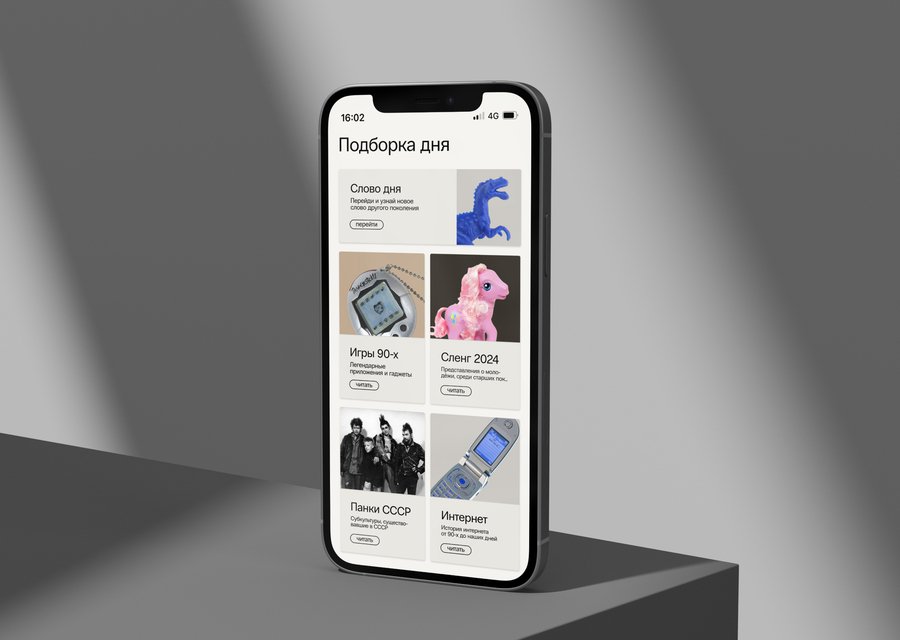
«Kulek» is a contemporary online media platform and web service aimed at improving mutual understanding between people of different generations
Goal
The project addresses one of the most pressing communication problems of modern society — the gap in meanings, languages, and cultural codes between age groups. Through the exploration of slang, fashion, films, everyday artifacts, and cultural phenomena of different eras, «Kulek» creates a space for dialogue and joint reflection on past and present experiences.


Audience
The project is designed for a broad audience: from teenagers and students to adults and representatives of older generations. At the same time, «Kulek» consciously avoids age-based segmentation. On the contrary, the media service structures communication so that different generations find themselves within a shared semantic field, where everyone can act both as a learner and as a bearer of knowledge.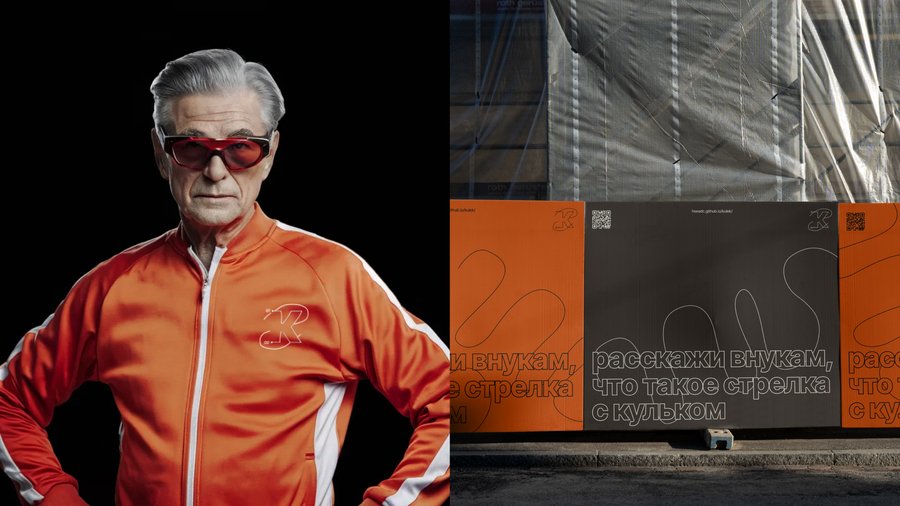
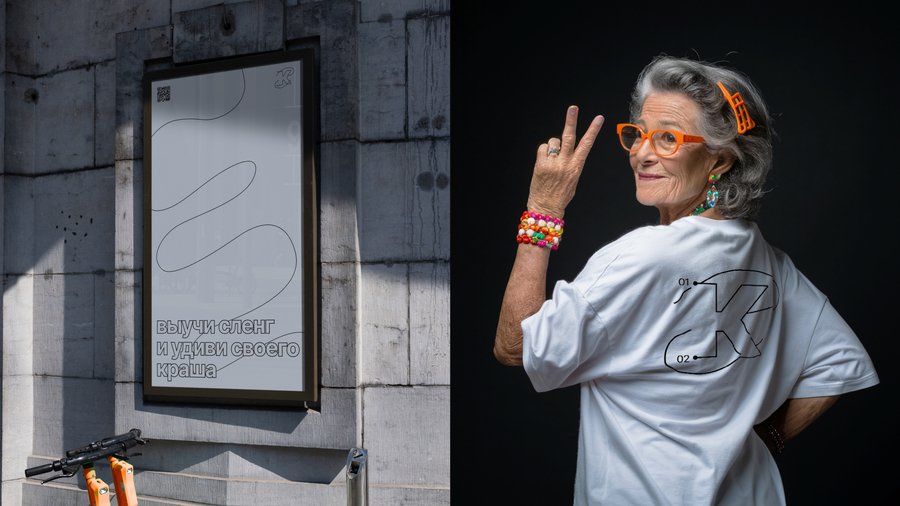
This corresponds to the sociocultural approach to communication, in which meaning is formed through social interaction and shared practices.
The key message of the brand can be formulated as:
«Understanding begins with language and culture»
By familiarizing users with vocabulary, visual codes, and cultural contexts of different eras, «Kulek» reduces the level of communicative noise that arises between generations. In terms of the cybernetic tradition of communication, this manifests as an attempt to minimize message distortion at the decoding stage through explanation of context and meanings.
Values
The brand’s values are directly embedded in its communication strategy.
Preserving generational heritage is realized through archiving and reinterpretation of cultural artifacts.
Improving communication and uniting generations is achieved through accessible language, a friendly tone, and formats that avoid expert distance.
Tolerance and increased awareness are expressed in the rejection of evaluative judgments and hierarchies between «old» and «new», «fashionable» and «outdated».
Accessibility for all is ensured both at the content level and at the interface level, which acts as a mediator between the user and complex cultural information.
BRAND PRESENTATION FOR A PROFESSIONAL AUDIENCE
Design as a Communicative Tool
For the professional design community, «Kulek» is of interest as an example of a web service where design functions not merely as content decoration, but as a full-fledged communicative tool. The project demonstrates how communication theory can be translated into practice through visual language, interface solutions, and user experience structure.


Media Communication
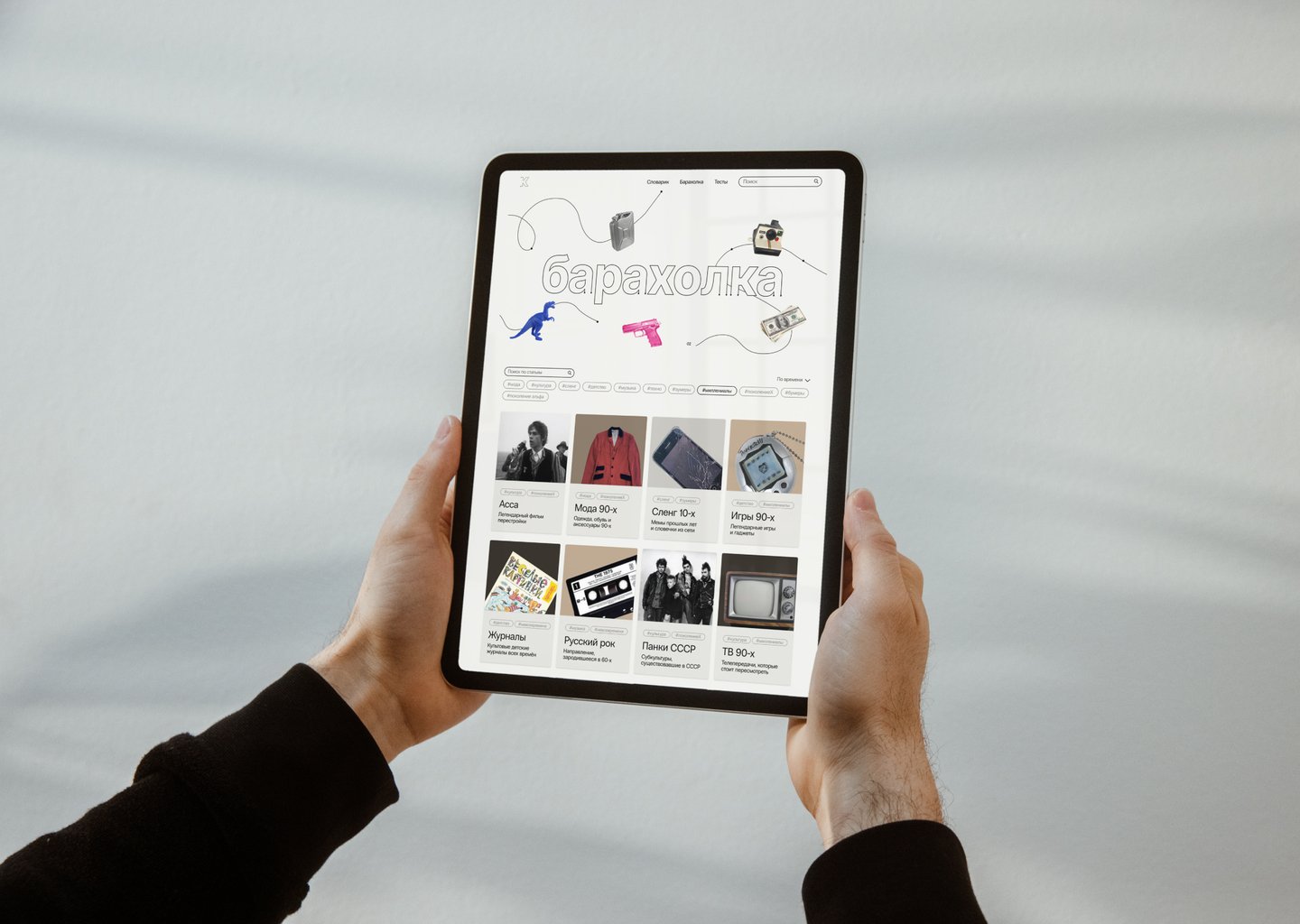
From a media communication perspective, «Kulek» functions as an interface between generational cultures. Within the cybernetic tradition of communication, the web service can be viewed as a system in which the message (cultural context, slang, artifacts) passes through a channel — the website interface. Design in this case is responsible for reducing «noise»: complex or unfamiliar cultural codes are presented through clear navigation, visual associations, and consistent content structure, facilitating the decoding process for users.Semiotics and Visual Language
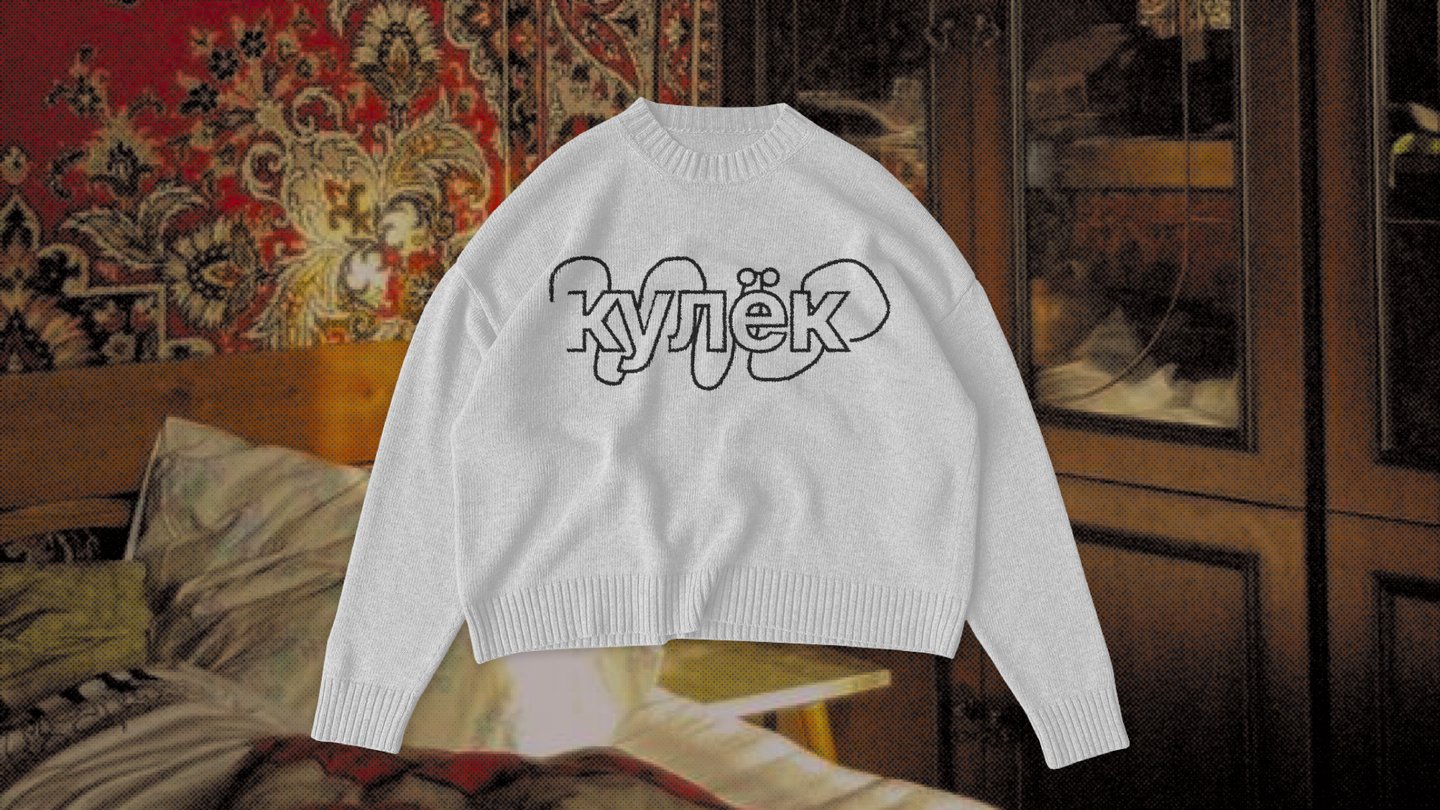
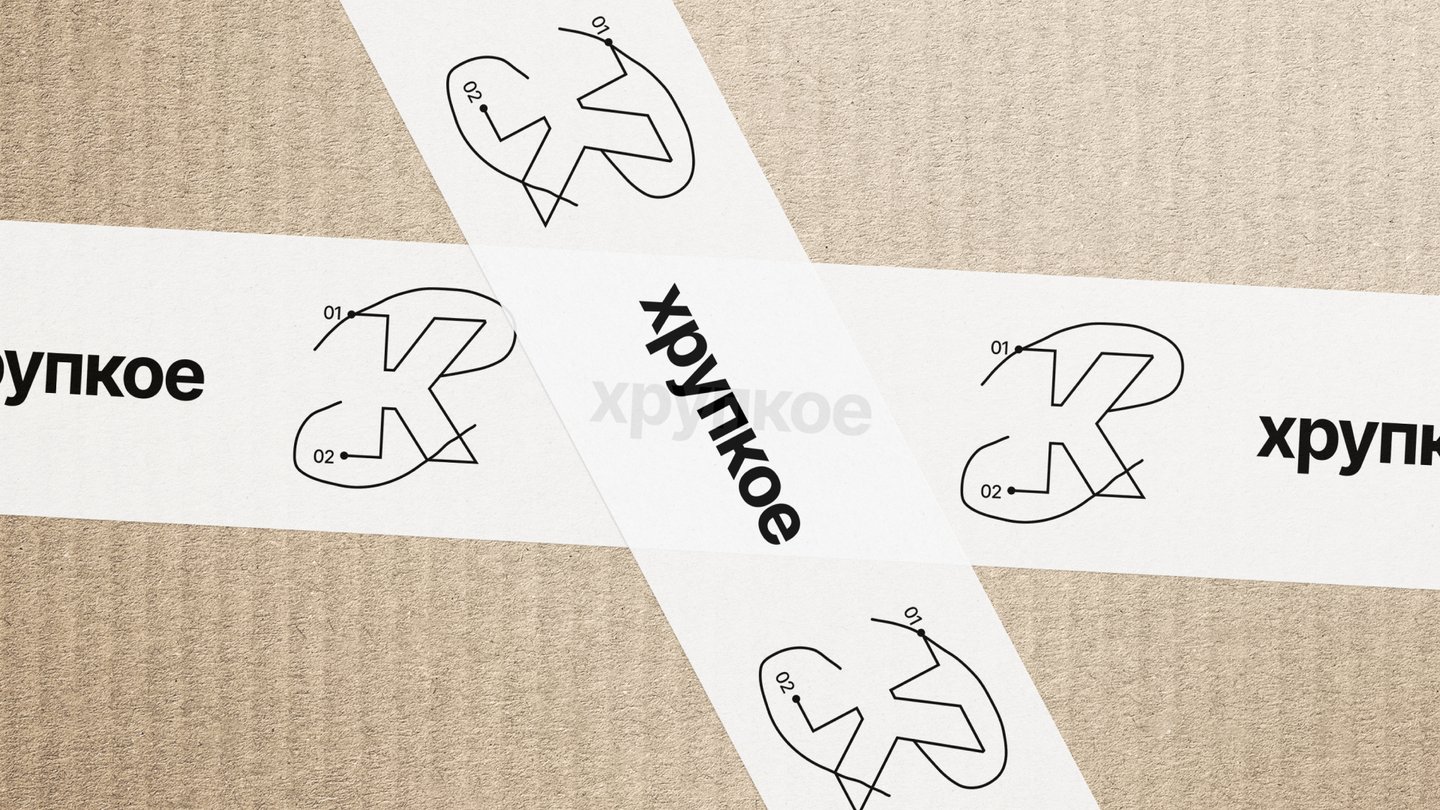
The semiotic level of design plays a particularly important role in the project. Visual elements — images of objects from the past, references to everyday artifacts, a calm color palette, and «connecting» graphics — function as signs that evoke recognition and emotional response among different age groups. For designers, this serves as an example of how visual metaphor can act as a universal language that unites users with different cultural backgrounds.
Content Structure and Communication Formats
The content structure («articles», «tests», «collections», «glossary») is built as different formats of communication with the audience. From the sociocultural perspective, these formats reflect various practices of knowledge acquisition: from linear reading and archival exploration to playful and interactive engagement. This approach allows the project to account for audience heterogeneity and maintain dialogue with users with varying levels of involvement and media literacy.