«New and cutting-edge technologies do not produce unique, indispensable objects, but they offer something else: the promise of transtemporality and even immortality—a promise guaranteed by reproducibility and substitutability.» —B. Groys


The popular modernist fetishes in the collective consciousness are outlined by their procedural states: the striving for potential, the quest for critical junctures, and the extraction of instability. The attraction to danger itself is not so much related to a drive toward self-destruction as it is to a tense, unquenchable thirst for pleasure or sensation that remains unattainable—a «frightening surplus of life.»
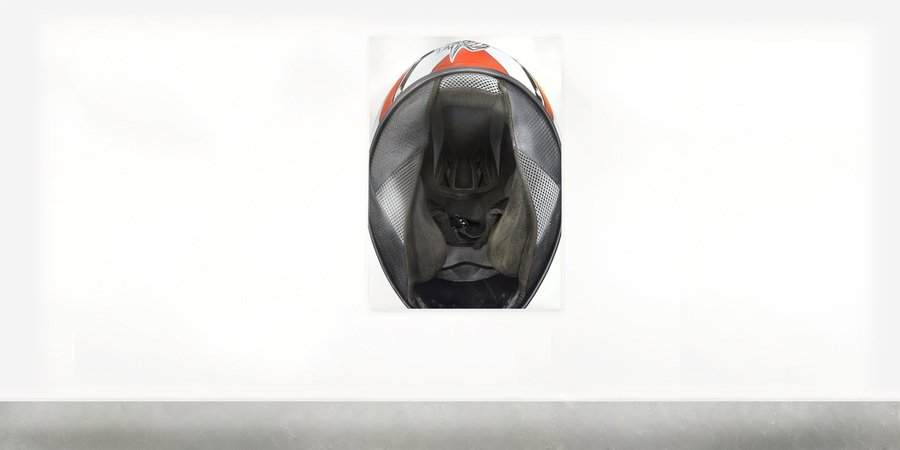
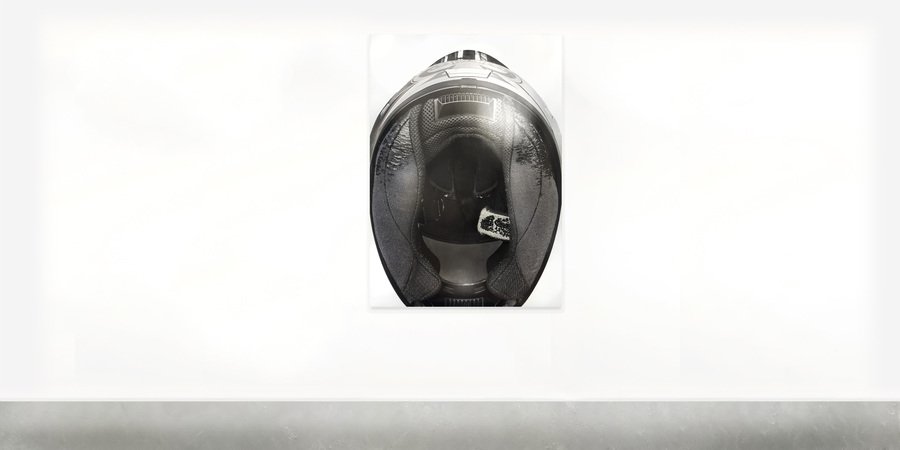
This desire is particularly emphasized in the visual codes of modernist world perception: the images of machines and automatons, their capacity for infinite self-reassembly, and consequently, their life potential; at the same time, such images—the extrapolation of human impossibility—are directed toward recreating such potential without a prosthetic mechanism.
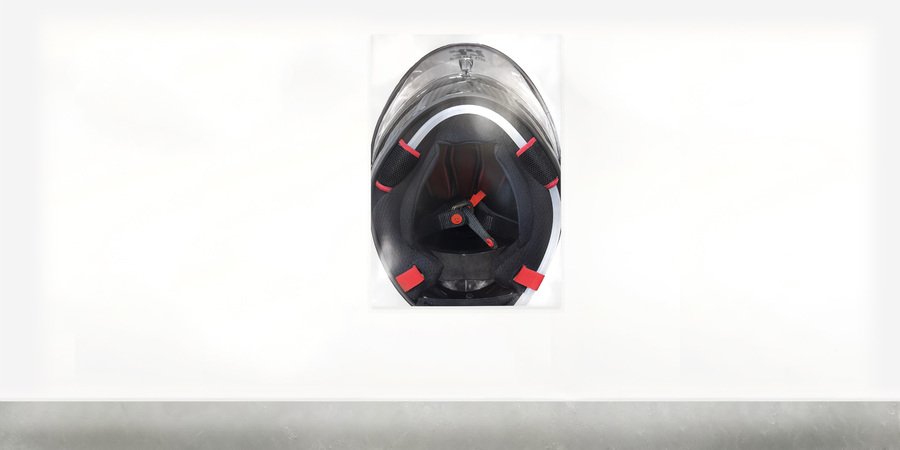
I’m taking the car to sink in the dirt. I’m taking the car to sink in the dirt. I’m taking the car to sink in the dirt.
«People are not simply alive; they are seized by a strange drive to enjoy life in excess, passionately attached to that excess, which stands out and breaks the ordinary course of things.»
<
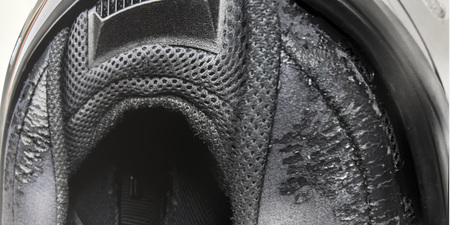
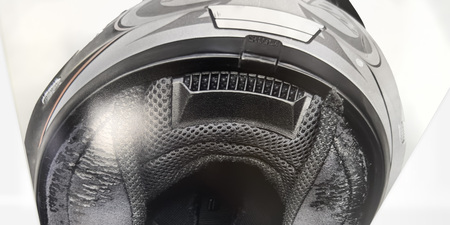
«Reproducible objects like automobiles can always be replaced; in that sense, they possess a certain indestructibility, a kind of immortality.» — B. Groys
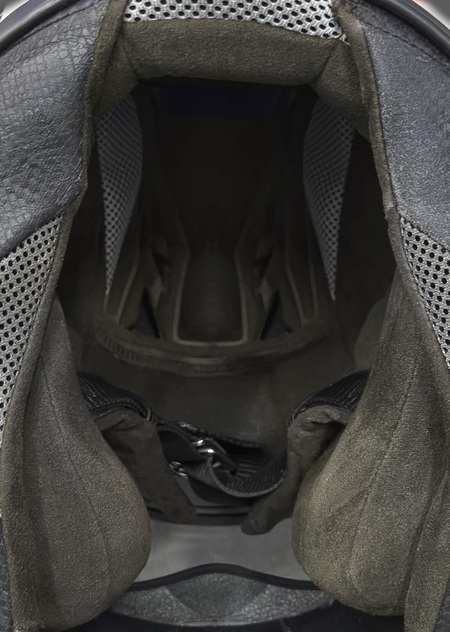
print, polystyrene, A0