Concept
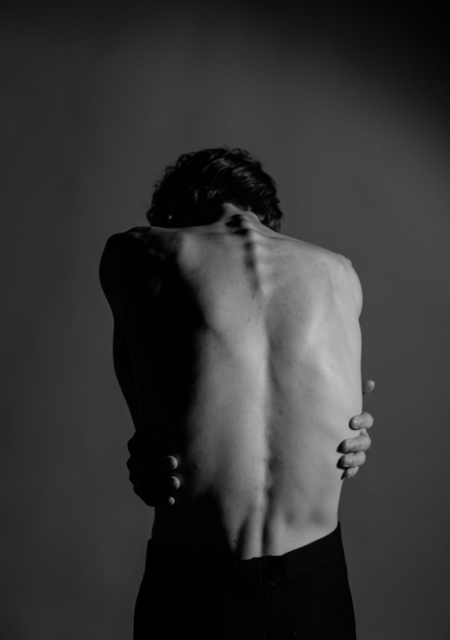
The dark grunge aesthetic is not merely a «depressing fashion, ” but a deliberate visual vulnerability: thinness, paleness, dark circles, signs of exhaustion, and emotional openness expressed through corporeal markings (scars, bruises, constricted poses). This very image formed the foundation of the dark grunge aesthetic—one of the most enduring and recognizable visual languages of the last three decades.
The dark grunge aesthetic introduced a fundamentally new type of male body representation—broken, weary, and imperfect, yet retaining an internal sexual tension and quiet strength. Unlike the bodies of the 1980s or the bodies of the Instagram and body positivity era, dark grunge emphasizes vulnerability and a «gritty» authenticity. It is this internal contradiction—weariness and sexuality, dirt and attraction—that has made the dark grunge aesthetic exceptionally resilient and artistically significant for more than thirty years.
I chose this topic because the male body in art and fashion has traditionally been examined through the lens of strength or objectification. Male vulnerability is often perceived as something sickly or unattractive, or it is ignored altogether as an aesthetic category.
The key question in this research is: what are the essential differences between the dark grunge aesthetic of the male body and the dominant masculine archetypes of hyper-masculinity in the 1980s versus Instagram fitness and body positivity from the 2010s–2020s?
I will select material where the central subject is the male body. The images will feature a pronounced dark grunge aesthetic. Comparative material will include hyper-masculine figures from the 1980s alongside the aesthetics of Instagram fitness and body positivity from 2010–2025.
Topics
Section 1: «Against Masculinity»
Comparison to the 1980s: poster heroes like Stallone and Schwarzenegger versus dark grunge—as an anatomical rejection of muscle volume, narrow shoulders, sunken chest, and constricted postures.
Section 2: «Against the Fitness Norm»
Comparison to the 2010–2020 period: the body as a project versus dark grunge as an anti-project—the body does not improve; it decays. There is no progress, no «before/after.» The body is not constructed; it lives—tired, old, without any attempt to please.
Section 3: «Against Body Positivity»
Comparison with 2010–2020: body positivity is about tolerance, acceptance, and openness—it «warms» you—whereas dark grunge is not. This is vulnerability without hope of acceptance. The body remains cold, unanswered.
Section 4: «Vulnerability as a Method»
Focus on purely visual techniques: low/high angles, analysis of skin marks—bruises, scrapes, veins—and a dirty color palette in photographs lacking clean tones. The body is scrutinized with apprehension, devoid of any desire to touch.
Section 1: «Against Masculinity»
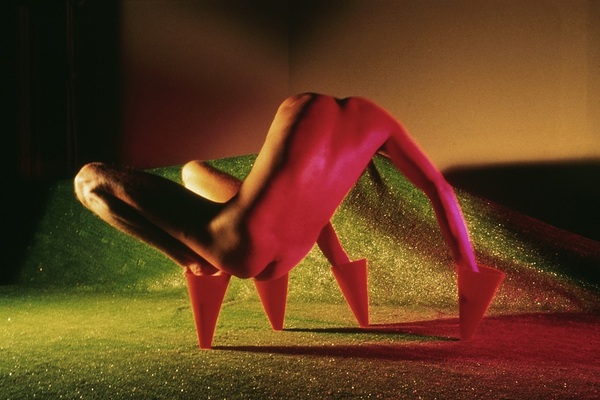
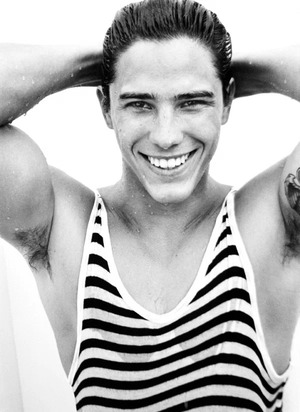
Jimmy DeSana, Marker Cones (1982)/ Herb Ritts, Reebok (1989)
In DeSana’s Marker Cones: the body is headless—a metaphor for «unwillingness to make eye contact» and to be recognized. There is no muscle in focus; the emphasis is on the unnatural, impossible posture—a pose of refusing control. In Herb Ritts' work: the focus is on the biceps, chest, and broad shoulders—muscles as armor. A direct challenge to the camera. Crossed arms—an expansive pose that occupies space.
Charles Peterson, photos from Nirvana concerts (1991)
Often, the photographs have a sense of dynamism. Peterson captures the loss of balance—bodies flying off the stage, blurred faces.
Charles Peterson, photographs from Nirvana concerts (1991)
The people in the photos lack personal boundaries; male bodies often intertwine and rub against one another—this is the opposite of the isolated, self-sufficient hypermasculinity of the 1980s.
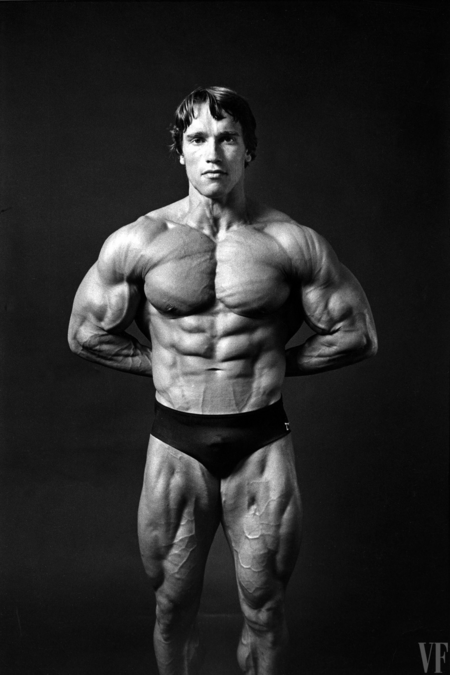
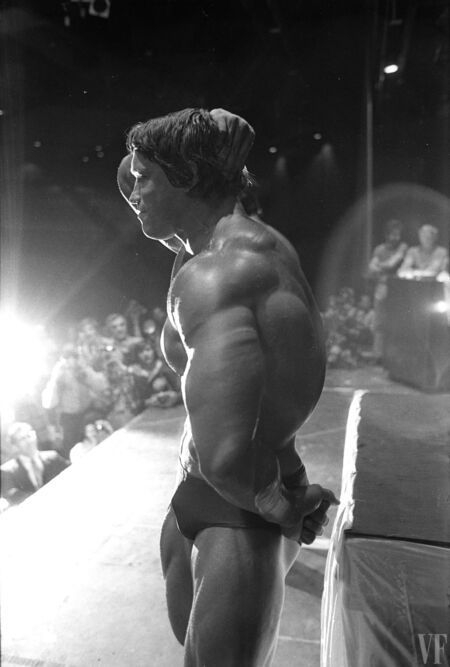
George Butler, photographs of Arnold Schwarzenegger (1975)
The photos feature static, «posed» stances of macho heroes. Here, the body is armor, displayed for all to see. The cultural meaning of this body is a reaction to the fear of «losing male dominance» following the Vietnam War and the feminist movements.
Nan Goldin, Nan and Brian in bed, New York City (1983)
Unlike the photographs of Schwarzenegger, where the body is presented as an object of admiration and emulation.
Goldin depicts Bryan in a mundane, unheroic situation—in bed, with a cigarette, in a moment of emotional detachment. His body does not attempt to appeal to the viewer. It simply exists—with its complexity, coldness, and inaccessibility. There is no attempt to appear imposing or dangerous.
Dark grunge eschews not only muscle but the very logic of defense. The body here does not seek protection or attempt to appear strong—it is open, vulnerable, and does not ask for leniency.
Section 2: «Against the Fitness Norm»
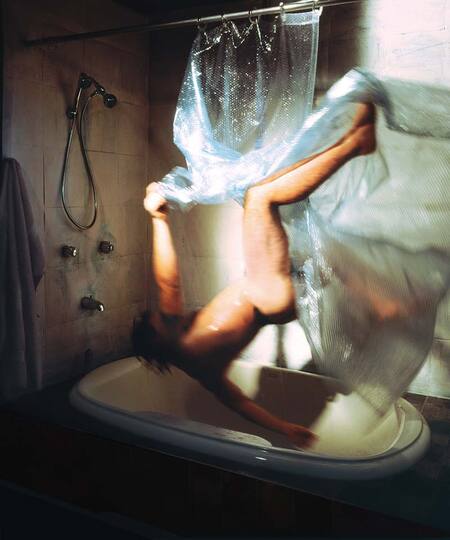
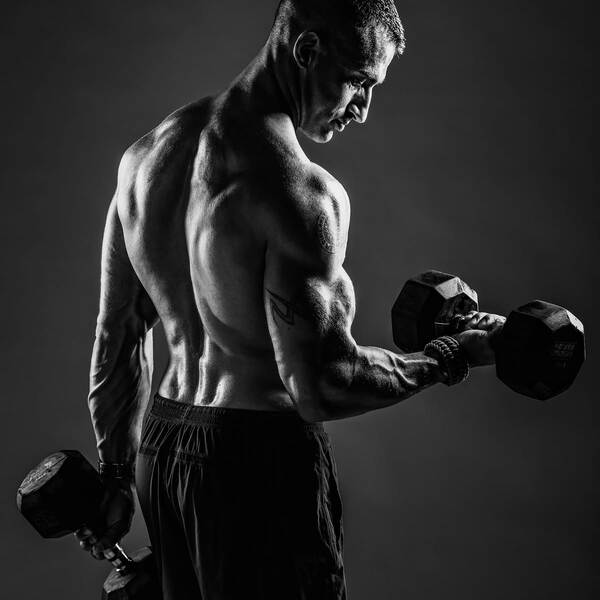
Kerry Skarbakka, series The Struggle to Right Oneself (2001–2014)/ Daniel.A, man with dumbbells