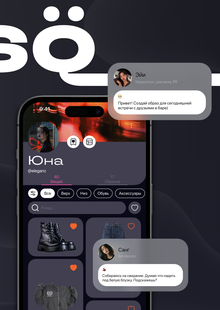
Syro.space’s Communication Strategy Through the Lens of Theory
Theoretical Framework

Communication theory offers several lenses to analyze a brand’s strategy. A foundational model is the Shannon–Weaver transmission model (1949), which outlines communication as a linear process: a sender encodes a message and transmits it through a channel to a receiver Crucially, the model highlights noise — any interference that can distort the message on its way to the receiver. In branding, «noise» could be competing messages or misunderstandings that muddle the brand’s intent. A clean transmission (sender → message → channel → receiver) with minimal noise is vital for design and branding communications to be clear and effective (Shannon & Weaver, 1949).
Another relevant lens is semiotics, the study of signs and symbols. In the semiotic tradition, communication is essentially «intersubjective mediation by signs» — meaning that messages only make sense if senders and receivers share a common code or set of symbols. For a brand, everything from a logo’s shape to a campaign’s color palette functions as a sign that conveys meaning. These signs can denote literal information (e.g. a product photo) and connote cultural associations (e.g. a logo hinting at street art, signaling a rebellious vibe). Effective brand design leverages these codes: a visual identity must tap into the audience’s learned codes so that the intended message (e.g. «this is edgy streetwear») is the one received.
Media philosopher Vilém Flusser even argues that design is fundamentally about meaning — he notes that design begins with «the meaning of the words and the ensuing discovery of identity»
In other words, visuals and words in branding are crafted to signify who the brand is and what it stands for. Principles of visual communication, such as consistent typography or layout, further help encode a clear message. A cohesive layout or grid in an Instagram feed, for instance, creates a visual grammar that audiences can quickly recognize as the brand’s «language.» By contrast, chaotic or inconsistent visuals could introduce visual noise that confuses the audience. Thus, semiotic clarity and good design practice go hand-in-hand to reduce noise and reinforce the intended message (Flusser, 1999).

Finally, modern communication theory emphasizes that communication isn’t only about transmission, but also about interaction. Dialogic theory proposes that true communication is two-way and relational, rather than a one-directional «speaker→audience» monologue. This is especially relevant to branding in the social media age. A dialogic approach means the brand (as sender) also listens and responds to the audience (now also senders in their own right), creating a conversation. Lee (2014) points out that simply being on a social platform doesn’t guarantee dialogue: organizations must actively encourage and respond to audience input to realize dialogic communication. Key dialogic principles include providing information of value, encouraging feedback, and building a «feedback loop» where the receiver’s response is fed back to the sender. In branding practice, this could mean a company inviting user comments, resharing user-generated content, or adapting to consumer feedback — all of which turn communication into an ongoing exchange rather than a static message. In summary, the theoretical toolkit — from the Shannon–Weaver model (with concepts of sender, channel, receiver, noise) to semiotics (signs and codes) to visual communication principles and dialogic theory — provides a framework for dissecting how a brand like syro.space designs and delivers its messages.
Presentation for a General Audience
Syro.space is an emerging fashion/art brand that speaks to culturally engaged young adults (roughly 18–34 years old) who are into streetwear, subcultures, and bold self-expression. In simple terms, syro.space makes apparel that isn’t just clothing — it’s a statement. The brand’s cultural positioning is decidedly edgy and artistic: it sits at the intersection of street fashion and contemporary art. This means a typical syro.space collection might include graffiti-inspired graphics, unorthodox silhouettes, or references to underground music scenes. The core message? Be yourself, and wear your identity proudly. Everything the brand does, from product design to social media posts, reinforces this message of expressive identity and creative rebellion.


Promo billboards
On vk — syro.space’s main stage — you’ll find a vibrant collage of visuals that communicate the brand’s identity at a glance. Scrolling through their feed feels like flipping through an art zine. One post might show a model in a neon-accented jacket against a city mural, the next might be a short video loop of a dancer wearing syro.space gear. Through these images, the brand speaks visually to its audience, using a kind of streetwear vocabulary of signs: neon colors might signify youth and energy, a snippet of graffiti in the background signals urban subculture, a particular pose or gesture might channel a punk or hip-hop attitude. Even if you knew nothing about communication theory, you intuitively get the vibe — that’s semiotics at work. The brand has encoded its cultural vibe into each image.
brand business cards
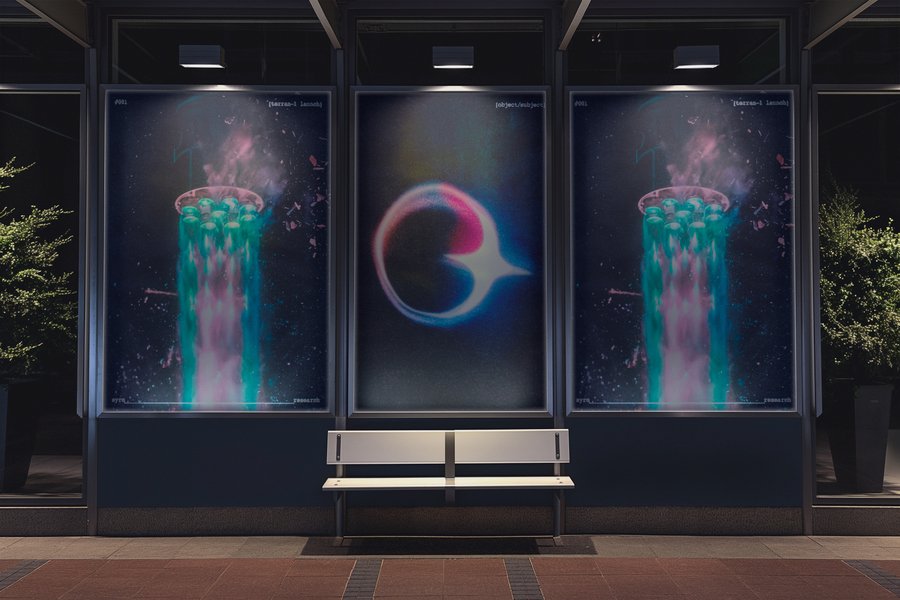

Promo billboards

Importantly, syro.space doesn’t just post product shots; it curates a lifestyle. The vk content often includes collaborations with artists and musicians (for example, a DJ or indie rapper might be pictured wearing a syro.space hoodie). By teaming up with creative figures, the brand places itself in a broader cultural conversation. It signals, «we’re part of the same culture you love.» This resonates strongly with their followers, who likely see fashion as part of their identity. In communication terms, the brand is creating identification: consumers see their own subcultural interests reflected in the brand’s posts, which strengthens their emotional connection. According to identity theory in media, people gravitate toward media and brands that affirm their sense of self. syro.space leverages this by positioning itself as not just a brand, but a community.


The brand’s space sweaters
Approximate photo of embroidery on a sweater
The choice of vk as the primary channel is very deliberate. Young adults today use vk not just for entertainment but as a source of inspiration and identity exploration. Research on media usage has noted that this demographic is essentially «hooked on vk», using it to keep up with friends, celebrities, and trends. In Uses & Gratifications terms, platforms like vk gratify several audience needs: the need to discover new cultural trends, to express oneself (by sharing personal style photos), and to belong to a like-minded community (Dias, 2016). By being active on vk, syro.space meets its audience where they already are. The brand’s posts gratify followers’ desires to see fresh, creative content in their feed and to engage with a cultural movement. When a follower double-taps a syro.space post or tags the brand in their own outfit photo, they’re not just interacting with products — they’re engaging in a form of self-expression and community signaling.
Clothes from the autumn collection
Through visually rich Instagram posts and cool collaborations, the brand says, «This is who we are — if you’re on this wavelength, you’re one of us.»


Packaging of products for delivery
Presentation for a Professional Audience
Approximate photo of the label on the clothes
Communication theory offers several lenses to analyze a brand’s strategy. A foundational model is the Shannon–Weaver transmission model (1949), which outlines communication as a linear process: a sender encodes a message and transmits it through a channel to a receiver Crucially, the model highlights noise — any interference that can distort the message on its way to the receiver. In branding, «noise» could be competing messages or misunderstandings that muddle the brand’s intent. A clean transmission (sender → message → channel → receiver) with minimal noise is vital for design and branding communications to be clear and effective (Shannon & Weaver, 1949).
Clothes from the first drop

Another relevant lens is semiotics, the study of signs and symbols. In the semiotic tradition, communication is essentially «intersubjective mediation by signs» — meaning that messages only make sense if senders and receivers share a common code or set of symbols. For a brand, everything from a logo’s shape to a campaign’s color palette functions as a sign that conveys meaning. These signs can denote literal information (e.g. a product photo) and connote cultural associations (e.g. a logo hinting at street art, signaling a rebellious vibe). Effective brand design leverages these codes: a visual identity must tap into the audience’s learned codes so that the intended message (e.g. «this is edgy streetwear») is the one received. Media philosopher Vilém Flusser even argues that design is fundamentally about meaning — he notes that design begins with «the meaning of the words and the ensuing discovery of identity». In other words, visuals and words in branding are crafted to signify who the brand is and what it stands for. Principles of visual communication, such as consistent typography or layout, further help encode a clear message. A cohesive layout or grid in an Instagram feed, for instance, creates a visual grammar that audiences can quickly recognize as the brand’s «language.» By contrast, chaotic or inconsistent visuals could introduce visual noise that confuses the audience. Thus, semiotic clarity and good design practice go hand-in-hand to reduce noise and reinforce the intended message (Flusser, 1999).
Rationale Behind the Strategy
Why has syro.space chosen this multifaceted communication approach? The rationale is to minimize communication noise and maximize cultural relevance — ultimately bridging the gap between what the brand wants to say and what the audience actually hears and feels.
A map of international purchases of brand products

1. Clarity and Noise Reduction:
At the most basic level, syro.space wants its core message (about creative identity and subculture fashion) to transmit clearly to its audience. By using a platform like vk that the target demographic natively uses, the brand ensures a reliable channel for its message. In Shannon and Weaver’s terms, this is akin to choosing a channel with low distortion — the audience is already attentively scrolling Instagram for visual content, so an vk post is less likely to be ignored or misinterpreted than, say, a newspaper ad reaching the same 20-year-old. Additionally, the brand keeps its messaging consistent and on-brand across all touchpoints (visual style, tone, etc.), which reduces semantic noise — the chance that the audience gets a mixed or confusing message. If syro.space suddenly posted off-theme content, it could introduce noise by obscuring what the brand stands for. By avoiding that, the brand preserves a high «signal-to-noise» ratio: the audience quickly recognizes a syro.space message and understands its intent amidst the clutter of social media. In essence, the brand is carefully managing the sender–message–channel–receiver chain to be as seamless as possible And if any noise does creep in (for example, a particular post doesn’t resonate), syro.space can notice through feedback (comments or lack thereof) and adjust swiftly — an advantage of the digital medium that adds a quasi-feedback loop to the originally linear Shannon–Weaver model.

Space caps of the brand
2. Cultural Resonance and Semiotics:
Syro.space’s strategy is deeply rooted in semiotic alignment with its audience. The rationale here is that communication is most persuasive when it speaks the audience’s own language of symbols. The brand has identified key signs — visual and linguistic — that carry weight in the streetwear and art subcultures (be it certain aesthetics, slang, or iconography) and incorporated them into its brand identity. By doing so, syro.space minimizes the risk of miscommunication or apathy that could arise if it used the wrong symbols. (Imagine if the brand tried to appear «edgy» but chose symbols or references that the target audience finds cliché or irrelevant — that would create a disconnect, a form of noise where the audience says «this doesn’t speak to me.») Instead, syro.space’s use of culturally appropriate codes ensures the message means to the audience what the brand intends it to mean. Academic work on branding and semiotics supports this approach: aligning brand signs with the target public’s existing interpretive frameworks leads to more effective communication (Fischer & Reuber, 2014). In short, syro.space’s visuals and collaborations are not just art for art’s sake — they are carefully chosen signifiers meant to evoke the right signified concepts in the audience’s mind (coolness, creativity, authenticity, etc.). This strategy maximizes relevance, as every post and design element feels like it «belongs» in the cultural space the audience occupies.