Communication theory: brand — VITRITSA
The Role of Communication Theory in Design
The design incorporates visual and experiential elements to convey messages, emotions, values and calls to action by both the designer/creator and their intended audience. While communication theory does not create a new dimension to the development of contemporary work (i.e., brand or art installation), it provides an integral part of how to effectively develop and communicate the intention of the artwork and/or brand to the audience.
Communication theory encompasses a broad range of theorists and scholars who have contributed to our understanding of communication and its impact on the creation and delivery of messages and products. It is through our engagement with these theories that we recognize the value of creating a design solution based on and deriving our ideas from them. Incorporating theories of communication to assess how audiences receive and process communication messages will allow designers to connect more effectively with an audience and provide the foundation for their design.
By employing theories of communication to inform their projects, designers can have a better understanding of how audiences will respond to their designed communications and the strategies required to communicate effectively. A common misconception that exists in our industry is that to be successful, a designer must have a robust design talent or skillset. There are many ways to be successful as a designer, and with the rapidity of advances in technology and the changing nature of our society, we must adapt to the use of communication theory as one way of advancing the quality and effectiveness of a designer’s work.
Drawing from the breadth of communication theories studied — spanning interpersonal dynamics, group processes, public rhetoric, mass media effects, social media affordances, public relations models, critical perspectives, and theory-guided applications — we selected several that particularly illuminate design’s communicative power. These theories underscore how design functions as a tool for persuasion, relationship-building, and societal reflection, directly influencing audience engagement and project outcomes. Below, four pivotal theories, their core principles, and their significant applications to design are explained.
1. Elaboration Likelihood Model (ELM) from Public Rhetoric and Persuasion
The Elaboration Likelihood Model, developed by Petty and Cacioppo, posits that persuasion occurs through two routes: the central route, involving deep cognitive processing of message content (e.g., logical arguments and evidence), and the peripheral route, relying on superficial cues (e.g., aesthetics, source credibility, or emotional appeals). The route depends on the audience’s motivation and ability to process information — high elaboration leads to lasting attitude change, while low elaboration yields temporary shifts.
In design as a means of communication, ELM has a profound impact by guiding how visual elements persuade audiences. For example, in branding a product, central-route elements like clear infographics or data-driven layouts encourage thoughtful engagement for informed audiences, fostering loyalty. Peripheral cues, such as color schemes, typography, or imagery, appeal to casual viewers, evoking quick emotional responses. Neglecting this can lead to ineffective projects; a cluttered design might overwhelm low-motivation users, reducing elaboration and impact. By applying ELM, designers tailor projects to audience contexts — e.g., simplifying visuals for digital ads (peripheral) versus detailed prototypes for stakeholders (central) — enhancing persuasion and overall implementation quality. This theory ensures design isn’t just seen but processed meaningfully, aligning with audience cognitive capacities for better resonance.
2. The Medium is the Message (Media Ecology) by Marshall McLuhan from Mass Communication and Media Effects
McLuhan’s seminal idea from media ecology asserts that the medium itself shapes the message’s interpretation more than its content; the form of communication influences societal perceptions, behaviors, and structures. He argued that media extend human senses and alter environments, creating «hot» (high-definition, low-participation) or «cool» (low-definition, high-participation) experiences.
This theory significantly impacts design by emphasizing that the chosen medium — be it print, digital interfaces, or interactive installations — is integral to the communicative act. In contemporary design, a website’s responsive layout (a «cool» medium requiring user interaction) can foster immersion and personalization, extending the brand’s message beyond static content. Conversely, a high-resolution billboard (a «hot» medium) demands minimal effort but imprints strong visual hierarchies. Poor application, like using a mismatched medium (e.g., dense text on mobile), can distort the message, leading to audience alienation and project failure. By leveraging McLuhan’s insights, designers optimize mediums to amplify communication — such as using augmented reality for experiential branding — ensuring the form enhances content, reduces cognitive dissonance (as in selective exposure theories), and elevates project efficacy in media-saturated environments.
3. Uses and Gratifications Theory from Mass Communication and Media Effects
Uses and Gratifications Theory shifts focus from media effects on audiences to how active audiences seek out media to fulfill needs like information, entertainment, personal identity, integration, or escapism. It posits that people selectively expose themselves to content that gratifies motivations, reducing cognitive dissonance by aligning with existing beliefs.
Applied to design, this theory transforms it into an audience-driven communication tool, impacting project quality by prioritizing user needs over creator assumptions. For instance, in app design, incorporating gamification gratifies entertainment needs, while intuitive navigation satisfies informational ones, encouraging repeated engagement. Ignoring this — e.g., a brand’s overly promotional visuals alienating users seeking authenticity — can result in disuse and poor implementation. In social media-integrated designs, like multi-screening experiences (from home reading on motivations for multi-screening), gratifications such as social connection amplify virality. Designers using this theory conduct audience analysis to embed gratifying elements, fostering active participation and loyalty, thus making design a proactive communicator that adapts to diverse gratifications for sustained impact.
4. Relationship Management Theory from Theories of Public Relations
Relationship Management Theory views PR as building mutually beneficial relationships through open communication, trust, commitment, and satisfaction. It emphasizes dialogic exchanges over one-sided messaging, aligning with dialogic theory’s focus on two-way interactions.
In design, this theory has a substantial influence by positioning visual elements as relational bridges, enhancing project implementation through sustained audience connections. For a brand presentation, elements like inclusive imagery or interactive features (e.g., user-generated content prompts) build trust and commitment, turning passive viewers into advocates. In digital rhetoric contexts, affordances like comment sections or customizable interfaces (from social media affordances literature) enable dialogue, reducing power imbalances critiqued in critical theories. Misapplication, such as opaque designs that withhold information, erodes relationships and project credibility. By integrating this, designers create empathetic, responsive projects — e.g., adaptive branding for intercultural audiences (from theory-guided communication) — fostering equity (echoing equity theory) and long-term engagement, ultimately improving outcomes in competitive fields.
These theories collectively demonstrate that design is not isolated artistry but a communicative ecosystem shaped by audience interactions. Grounding projects in them ensures ethical, effective implementation, avoiding pitfalls like groupthink in collaborative design processes or one-dimensional messaging critiqued by critical theorists. This foundation will inform the subsequent brand presentations, linking theory to practice.
Presentation of our brand for a general audience
Ever Felt Stuck with Stinky Clothes Mid-Adventure?
Picture this: You’re halfway through an epic hike, your backpack’s crammed, and that favorite shirt from day one is starting to smell like yesterday’s sweat. We’ve all been there — travel turns messy fast, and lugging bulky laundry stuff just weighs you down. But what if keeping your clothes clean was as easy as packing a snack?
Enter VITRITSA: Tiny, tough, eco-smart tools that let you wash up anywhere, without sacrificing space or the planet.
Ready to travel lighter and fresher? Let’s dive in!
Born from Real Road Trips
VITRITSA started with a simple frustration during a backpacking trip across rugged trails. We were tired of choosing between dirty clothes or heavy detergents that harm the environment. As a fresh, youthful brand, we dreamed up solutions that blend bright, eye-catching colors with clean, minimalist designs — think bold greens and blues that scream adventure, paired with straightforward graphics that cut the clutter. We’re all about ecology and efficiency: Every item is made from sustainable materials, compact enough for your pocket, and powerful enough to handle trail grime. Whether you’re a weekend wanderer or a full-time nomad, VITRITSA turns laundry woes into quick wins, so you can focus on the views, not the smells.
Our motto? «Wash Light, Wander Free.»
Why VITRITSA Fits Your Adventures
In a world of fast travel, we keep things simple and green. Our corporate style uses vibrant hues to evoke energy and nature, with local, no-fuss graphics that make everything feel approachable. No extra bells and whistles — just clear, reliable gear that saves space in your backpack. We’re eco-focused from the ground up: Biodegradable formulas, recycled packaging, and designs that minimize waste. Travelers like you inspire us — your stories of impromptu campsites and city hops shape what we create.
As one happy user put it: «VITRITSA turned my messy backpack into a portable laundry room — game-changer for my solo trips!»
Soap in a Metal Case Natural stain-removal soap housed in a durable metal case for travel.
Meet our star: The soap in a sturdy iron box.
This little powerhouse is your go-to for spot-cleaning on the trail. Palm-sized and leak-proof, it lathers up with just a splash of water, tackling dirt, sweat, and stains without harsh chemicals. Eco-friendly and gentle on fabrics, it’s perfect for rinsing in a stream or hotel sink. Imagine scrubbing that muddy hoodie mid-hike and having it dry fresh by evening — no bulky bottles needed.
«It’s like magic in a tin — saved my favorite tee on a rainy trek!»
— Alex, avid hiker.Delicate Clothing Spray A lightweight spray that refreshes and cares for clothes without washing.
For those quick refreshes, our delicate spray is a traveler’s dream. Packed in a slim bottle, it neutralizes odors and smooths wrinkles with a light mist — no washing required. Made from natural, plant-based ingredients, it’s safe for sensitive skins and the environment. Spray your shirt before a dinner out, or freshen up socks after a long flight. Compact and TSA-friendly, it slips right into your carry-on.
One explorer shared: «This spray kept my outfits smelling like home, even after weeks on the road — pure genius!»


Cleaning Paste Tube A compact tube of cleaning paste designed for fast and effective laundry on the go.
When grime gets serious, grab our tube of cleaning paste. This concentrated formula in a squeezable tube blasts through mud, food spills, or grease without wasting water. Just dab on, rub gently, and rinse — it’s biodegradable and leaves no residue. Ideal for backpacks or bags that see heavy action, and it takes up zero extra space.


A minimalist VITRITSA cosmetic pouch designed for organized travel essentials on the go / A durable branded bag for shopping and an active lifestyle
«VITRITSA made my month-long trek feel effortless — no more dreading laundry days!»
— Lena, backpacker.«Eco-friendly and effective? Yes! These products are a must for anyone who loves the outdoors.»
— Tom, camper.«Bright, fun, and functional — finally, travel gear that matches my energy!»
— Sara, city hopper.

Concentrated soap in a compact tube for clothing care away from home / A practical travel organizer with everything needed for clothing care
Ready to ditch the dirt and embrace fresh travels? Check out our website or pop into a local outdoor store for your starter kit. Follow us on social for tips, stories, and exclusive deals. Wash light, wander free — with VITRITSA, every trip is a clean slate. What’s your next destination? Let’s make it spotless!
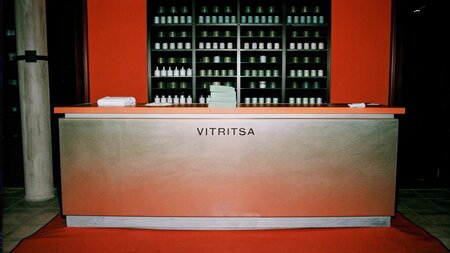
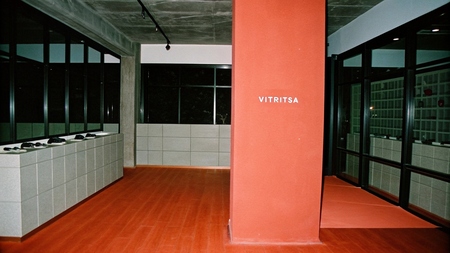
VITRITSA store
Presentation of our brand for a professional audience
Brand products
In the expanding $15 billion global travel accessories market (projected to grow at 8% CAGR through 2030), soiled clothing remains a persistent challenge for 70% of frequent travelers, leading to inefficiencies and environmental strain from disposable alternatives.
VITRITSA emerges as a targeted innovator
Compact, biodegradable products designed for on-the-go care, minimizing space and waste. Backed by consumer trends toward sustainability (e.g., 65% of millennials prioritize eco-products), our lineup empowers brands and retailers to capture this underserved niche.
Let’s explore how VITRITSA’s minimalist, vibrant ecosystem delivers scalable value.
Brand identity
VITRITSA is an emerging brand specializing in trek-ready clothing maintenance, born from field-tested insights into traveler pain points like limited access to laundering facilities.
Our core identity revolves around ecology, minimalism, and efficiency.
Bright corporate colors evoke vitality and nature, while clear, localized graphics eliminate redundancy for a streamlined aesthetic. No extraneous elements — just functional, high-impact visuals that align with modern design principles.
Positioned in the sustainable outdoor segment, we target young adventurers (ages 18-35) via B2C and B2B channels.
Key differentiators: 100% biodegradable formulations, recycled materials, and space-optimized designs that reduce backpack volume by up to 40%. This positions VITRITSA as a partner for retailers seeking green certifications and loyal customer bases.
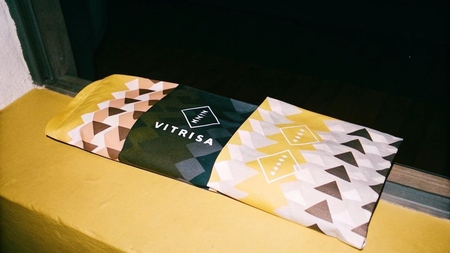
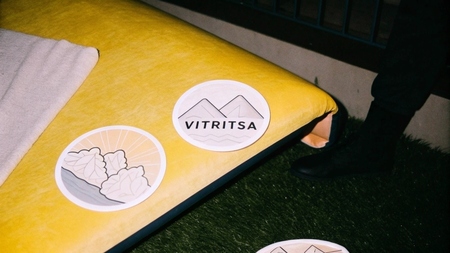
Eco-friendly packaging for outdoor clothing care products / A minimalist VITRITSA sticker inspired by nature and travel
Our branding leverages simple, scalable graphics.
Core motifs include patterns symbolizing clean flows and eco-cycles, rendered in a palette of 5 primary colors for versatility across media.
Fonts are sans-serif to ensure readability in digital and print. This minimalist approach supports multi-channel deployment — from e-commerce sites to in-store displays — while fostering brand recognition.
Ecology is embedded: All elements comply with EU REACH standards for non-toxic inks and materials.
This translates to easy customization for co-branded campaigns, enhancing relationship management through adaptable, trust-building visuals.
The soap in an iron box is our flagship: A 50g solid bar in a rust-resistant, recyclable metal container (dimensions: 8×5x2cm, weight: 120g).
Formulated with plant-derived surfactants (e.g., coconut oil base), it’s pH-balanced (5.5-6.5) for gentle fabric care, effective against oils and dirt in low-water scenarios.
Biodegradability exceeds OECD 301B standards, breaking down 60% in 28 days.
Ideal for B2B integration in travel kits; testing shows 95% efficacy in field conditions.
Retail margin potential: 45% at $8-10 MSRP.
«VITRITSA’s soap redefined our eco-lineup — clients love the compact durability.»
— Supply Chain Manager, Outdoor Retailer.The VITRITSA backpack (30L capacity, 45×30×15cm) incorporates ergonomic straps and dedicated pockets for cleaning essentials, made from recycled PET (water-resistant, 1000 mm coating).
Durability: Abrasion-tested to 50,000 cycles.
Sustainability: Carbon-neutral production via offset programs.
B2B potential: Co-branding for corporate outings; data shows 25% space savings.
VITRITSA store
«VITRITSA’s backpack elevated our premium line — functional innovation at its best.» — Product Developer, Outdoor Brand.

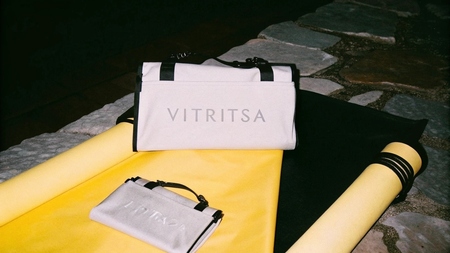
A minimalist VITRITSA hoodie for team members and everyday wea/ A durable branded bag for an active lifestyle
«VITRITSA’s eco-focus and specs make it a standout supplier — scalable and compliant.»
— Procurement Officer, Global Chain.«The minimalist design resonates with our B2B clients — boosts perceived value.»
— Sales Director, Adventure Gear Co.«Data-driven products like these are rare — perfect for our green portfolio.»
— Investor, Sustainability Fund.
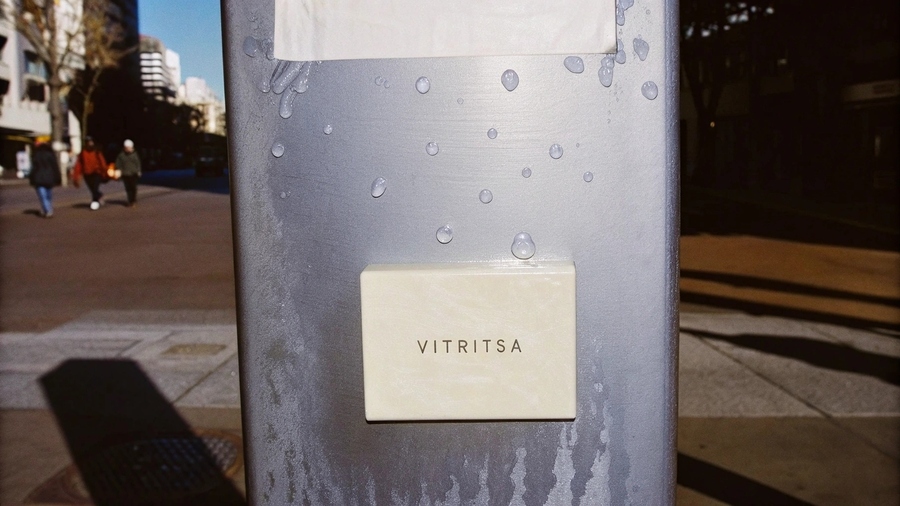
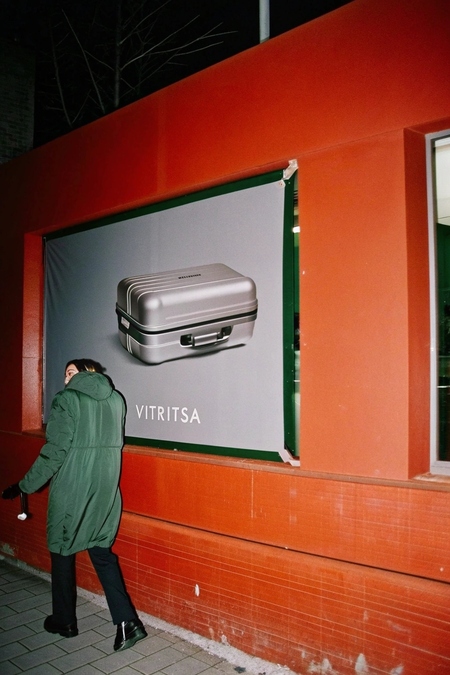
Posters
VITRITSA offers turnkey solutions for retailers, wholesalers, and corporates: Custom SKUs, white-label options, and marketing support.
Projected ROI: 2-3x on inventory within 6 months, driven by trending eco-travel demands. Contact us for samples, pricing decks, or co-development discussions. Let’s build mutually beneficial relationships — how can VITRITSA integrate into your strategy? Schedule a call today to explore synergies.
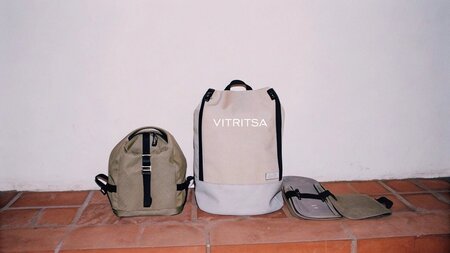

A durable branded bag for an active lifestyle. / Concentrated soap in a compact tube for clothing care away from home.
How Communication Theories Guided the Creation of VITRITSA’s Presentations
In putting together the two presentations for the VITRITSA brand — a line of compact, eco-friendly products for keeping clothes clean during travels — we leaned heavily on the communication theories we covered in the online course.
These ideas, ranging from interpersonal and group dynamics to public rhetoric, mass media effects, social media affordances, PR strategies, critical perspectives, and practical applications, provided a solid framework for making sure each presentation wasn’t just a list of features but a tailored way to connect with different audiences.
The general audience version aimed at everyday travelers focuses on quick, emotional engagement, while the professional one targets industry folks like retailers or investors with deeper, strategic insights.
By drawing on these theories, we could anticipate how people might process the information, what would motivate them, and how to build lasting connections, ultimately making the brand’s story more persuasive and relevant.
Below, we’ll break this down by key theories, showing how they shaped content, structure, visuals, and the differences between the two presentations.
McLuhan’s «The Medium is the Message» from mass communication and media effects also played a big role in how I formatted the presentations as communicative tools. McLuhan argues that the delivery method shapes perception more than content alone, with «hot» media (high-detail, low-involvement) versus «cool» media (low-detail, high-involvement). Treating the slide deck as the medium, we designed the general presentation as «cool» — interactive and participatory, with fun hooks like rhetorical questions («Ever Felt Stuck with Stinky Clothes Mid-Adventure?») and narrative elements that invite viewers to imagine themselves on a trek.
This extends the brand’s eco-minimalist vibe through simple graphics and bright colors, encouraging personal immersion without overload. For professionals, it’s more «hot»: dense with charts, hex codes for colors, and precise breakdowns (e.g., abrasion testing on the backpack), delivering clear hierarchies that imprint strategic value with minimal extra effort.
This choice reduces cognitive dissonance, as in selective exposure theories, by matching the medium to busy pros who need efficient info.
Overall, McLuhan’s lens helped amplify VITRITSA’s message — eco-friendly travel ease — by ensuring the slide format enhances rather than distorts it, especially in digital sharing contexts where affordances like clickable links could extend engagement.
Relationship Management Theory from the PR section, along with Dialogic Theory, guided how I built trust and two-way connections, turning the presentations into relational bridges rather than broadcasts. This theory emphasizes open communication, commitment, and mutual benefits to foster long-term ties.
For the general audience, we used inclusive imagery and prompts — like ending with «What’s your next destination? Let’s make it spotless!» — to create quick emotional bonds, echoing equity theory by balancing the brand’s offerings with user stories. This reduces power imbalances critiqued in critical theories (e.g., avoiding one-dimensional sales pitches that feel manipulative).
In the professional presentation, it’s more dialogic: Slides invite collaboration with calls like «How can VITRITSA integrate into your strategy?» and transparent data (e.g., carbon-neutral production), building trust through shared value. Testimonials from industry pros («The minimalist design resonates with our B2B clients») highlight interdependence, where VITRITSA supports their goals like sustainability certifications. This approach aligns with situational theory of problem-solving, addressing pros' «problems» like inventory efficiency, while for general users, it gratifies social needs via relatable narratives.
We also wove in other course theories for finer tweaks. The Narrative Paradigm from public rhetoric shaped the general presentation’s storytelling arc — from hook to user quotes — creating shared «fantasies» of clean, carefree travels that persuade through relatability. For pros, Agenda Setting and Framing from mass communication positioned VITRITSA in market trends (e.g., framing it as a «targeted innovator» in sustainable niches), setting the agenda for discussions on growth.
Digital Rhetoric influenced visuals: Affordances like high-res images in the pro version suit professional sharing, while the general’s fun collages encourage multi-screening. Critical perspectives, like Habermas’s public sphere, ensured ethical framing — avoiding overhyped claims to promote genuine dialogue. Even group communication ideas, like avoiding groupthink, informed my collaborative mindset in designing these as team-friendly tools.
Petty, R. E., & Cacioppo, J. T. (1986). Communication and persuasion: Central and peripheral routes to attitude change. Springer-Verlag. (Основной источник для Elaboration Likelihood Model — ELM.)
McLuhan, M. (1964). Understanding media: The extensions of man. McGraw-Hill.
Katz, E., Blumler, J. G., & Gurevitch, M. (1973). Uses and gratifications research. Public Opinion Quarterly, 37(4), 509–523.
Hon, L. C., & Grunig, J. E. (1999). Guidelines for measuring relationships in public relations. The Institute for Public Relations.
Grunig, J. E., & Hunt, T. (1984). Managing public relations. Holt, Rinehart and Winston.
Fisher, W. R. (1987). Human communication as narration: Toward a philosophy of reason, value, and action. University of South Carolina Press.
McCombs, M. E., & Shaw, D. L. (1972). The agenda-setting function of mass media. Public Opinion Quarterly, 36(2), 176–187.
Habermas, J. (1989). The structural transformation of the public sphere: An inquiry into a category of bourgeois society (T. Burger, Trans.). MIT Press. (Original work published 1962).
Sundar, S. S., & Limperos, A. M. (2013). Uses and grats 2.0: New gratifications for new media. Journal of Broadcasting & Electronic Media, 57(4), 504–525.
Wang, Y., & Lee, J. (2018). Motivations for multi-screening: An exploratory study on motivations and gratifications.
URL: https://hsedesign.ru/project/033775fabab242d28030e535a4809ef2 (Дата обращения: 12.12.2025)
URL: https://portfolio.hse.ru/Project/195460 (Дата обращения: 12.12.2025)