Full title: «What happened before the Blue Noses. 25 artifacts from the archive of the artist Shaburov».One day, Shaburov was invited to make an exhibition in Yekaterinburg about what he was doing there in the 1990s.And it turned out that HSE’s teaching portfolio is a very convenient tool for designing exhibitions. It is only necessary to collect the notes scattered here out of order and arrange them according to the logic of the artist’s understanding of his life path.Which he did.
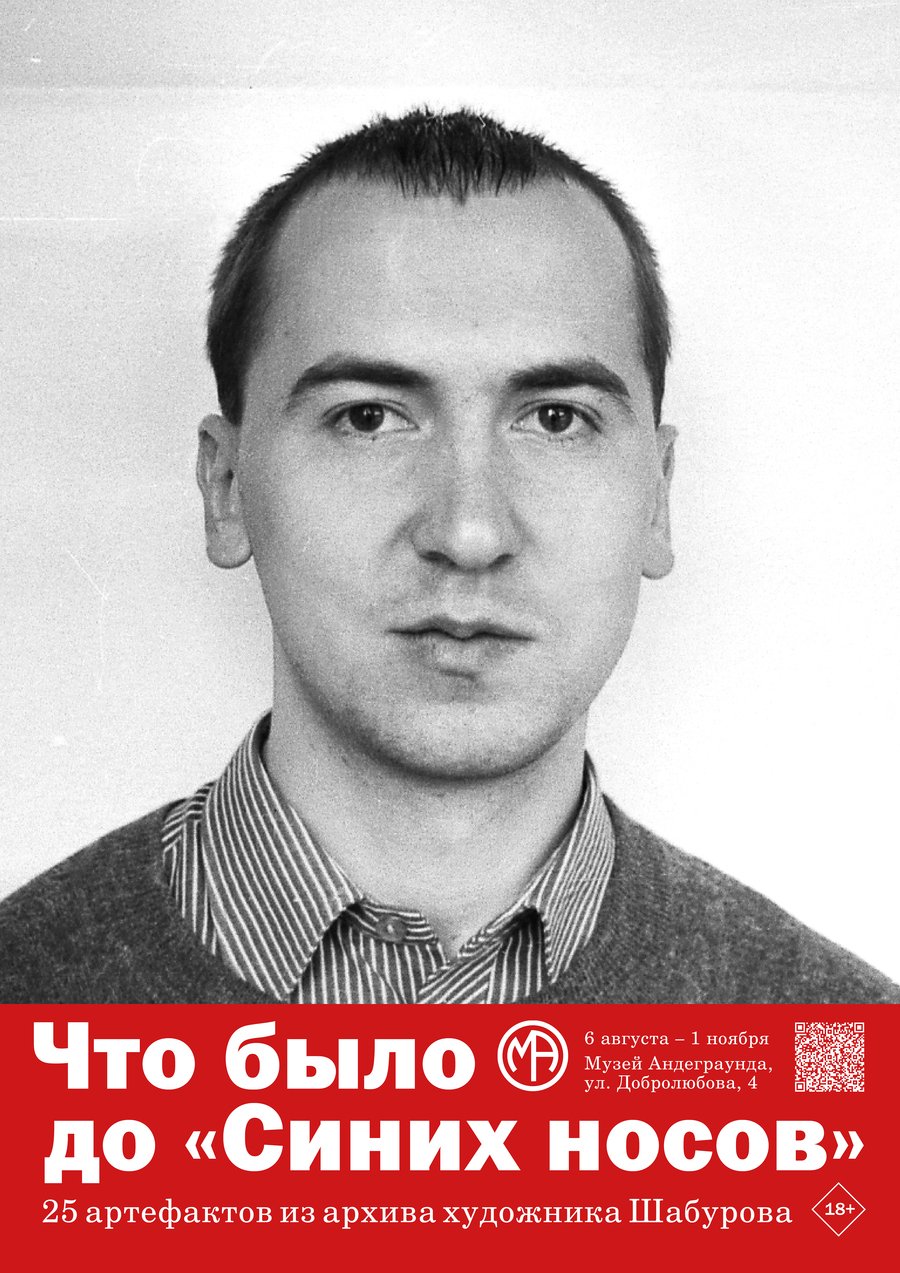
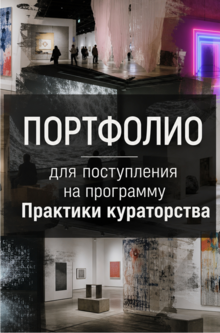
Poster
Preface
Our exhibition does not feature any of the masterpieces.
Art is the visualization of meaning. An artist is a person who visualizes these meanings. He is aware of his life and the surrounding reality. Designs the appropriate context, predecessors, associates, and followers.
Sometimes only obscure pieces of paper remain from the projects themselves. That’s why texts are more important than pictures.
Alexander Shaburov
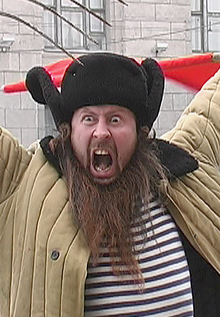
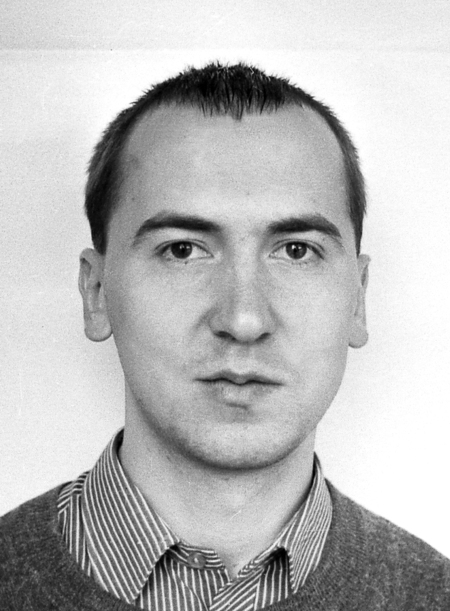
Alexander Shaburov in 1985
Artist, writer, director, curator.He was born in Berezovsky, Sverdlovsk region. At first, he documented the life of a «little man», passing off dental treatment and even his own funeral as art projects. Then he moved to Moscow, where, together with Vyacheslav Mizin, he organized the Blue Noses group, which literally portrayed media cliches and social stereotypes.Participant of the Moscow, Ural, Venice and other biennales of contemporary art. His works are kept in the State Tretyakov Gallery, the State Russian Museum, the Moscow Museum of Modern Art, Center Pompidou, Museum Ludwig, MAK Vienna, Kiasma, etc.Winner of the Grand Prix of the MIFF Media Forum, the awards «Companion» and «Black Square».He is an employee of Sverdlovsk Regional Museum of Local Lore, Sverdlovsk Bureau of Forensic Medical Examination, the Strategy Foundation, Foundation for Effective Policy and the Analytical Directorate of ORT-Channel One. Lecturer at the Higher School of Economics and the Moscow Rodchenko School of Multimedia Arts.Chairman of the UHO (Ural Holmsian Society). The author of the bronze monument to the Invisible Man.
The series «A list of objects around me», 1989
Alexander Shaburov. From the series «A list of objects around me, compiled on March 10, 1989», 1989
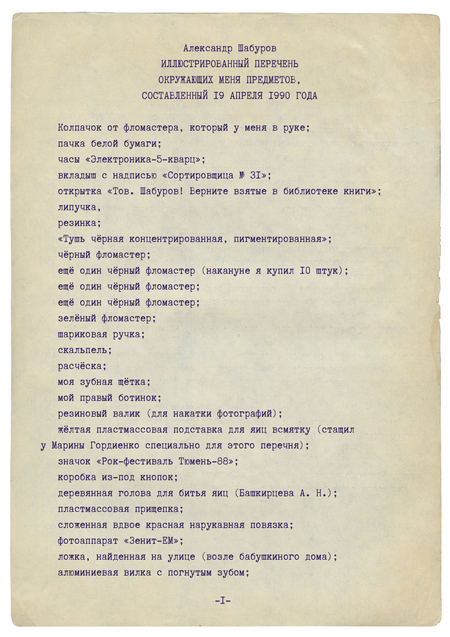
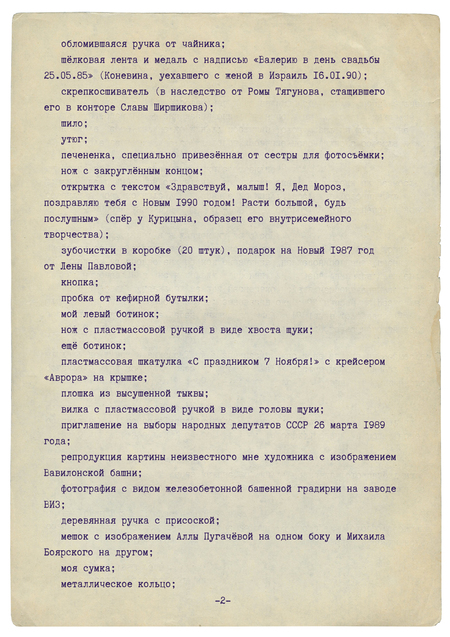
Alexander Shaburov. Pages of the «Illustrated list of objects around me, compiled on April 19, 1990», 1990
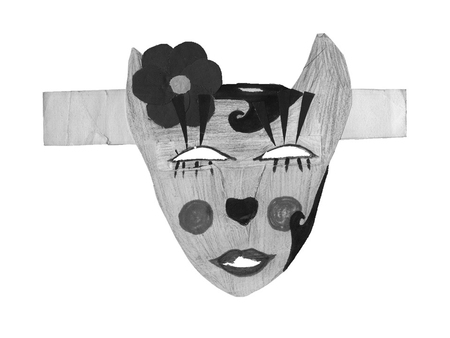
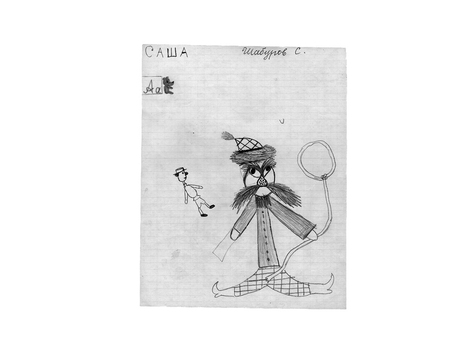
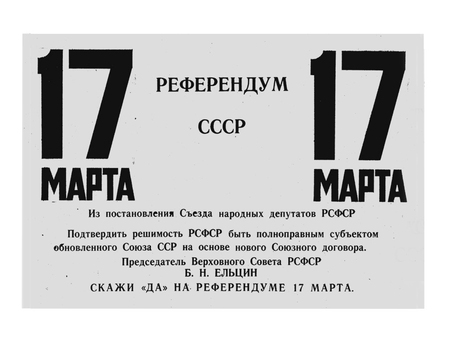
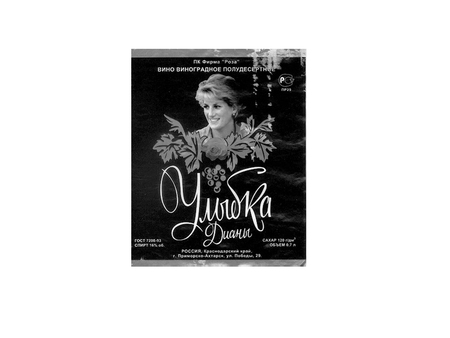
Alexander Shaburov. From the series «A list of papers surrounding me, compiled on April 1, 1998.» 1998
When Shaburov studied at a children’s art school, he was taught that an artist should do something unique that no one had ever done before. And it is absolutely necessary to become a «great artist», the same as Michelangelo and Leonardo da Vinci. The same Michelangelo allegedly said: he who follows the others cannot come first!But how can you become a «great artist» if you live far from the world’s capitals, and therefore are doomed to be secondary, forced to repeat fashion trends invented somewhere in the West? How to solve this unsolvable logical puzzle?And the artist Shaburov decided that the only unique thing he has is the life of a «little man» living in the provinces. Which was described by Russian literature. It is what needs to be observed, understood, and documented. It is in her that we find not only inspiration, but also forms.After that, Shaburov began to record his unique life in the form of lists and photo series. It seems to be a soulless registry, but in fact it is an archaeological excavation of the epoch. Behind each slipper or fragment are the events of Shaburov’s own life, his family and his country.
Photo series «My Daily Journey from Home to the Bus Stop, ” 1988
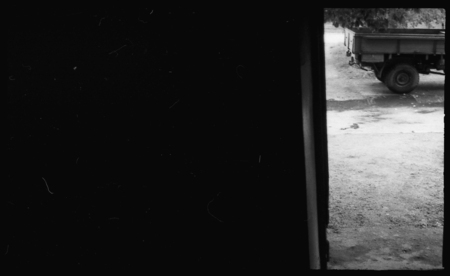
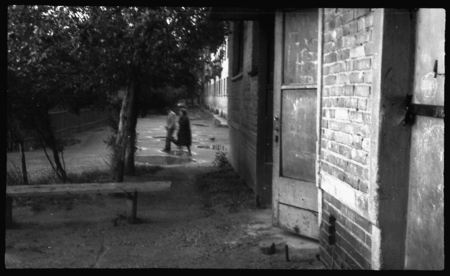
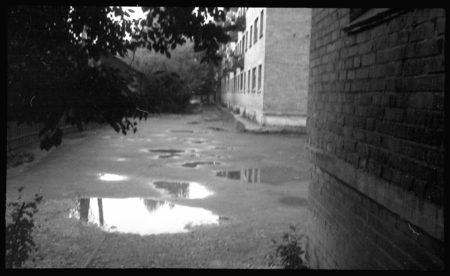
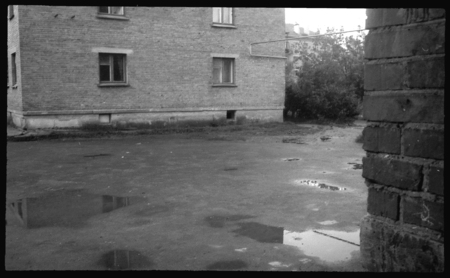
Alexander Shaburov. From the series «My daily commute from home to the bus stop. August 14, 1988. Photo every 15 steps, ” 1988
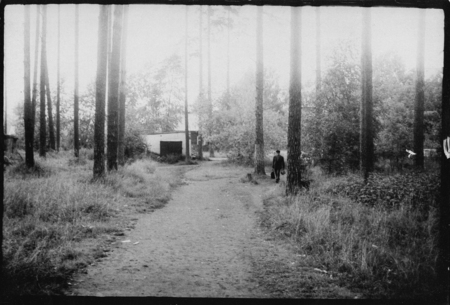
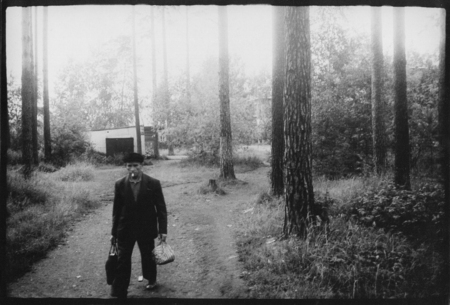
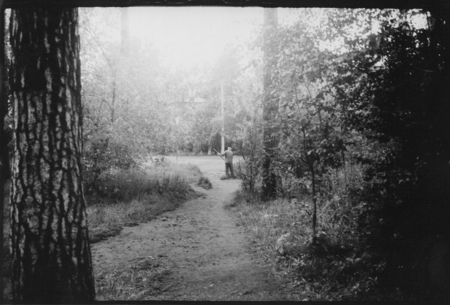
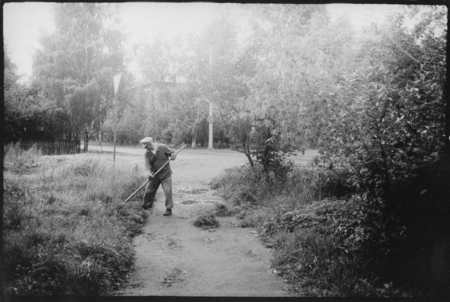
Alexander Shaburov. From the series «My daily journey from the bus stop to home. August 15, 1988. Photos every 15 steps.» 1988
A very enclosed piece.Artist Shaburov reflected that since art is not some borrowed nonsense copied from foreign magazines, but rather an attempt to understand and feel one’s own life, this is a capture of the most inconspicuous and ineffectual action from it.For many years, he lived in the city of Berezovsky in the Sverdlovsk region, from where he traveled to the regional center every morning and evening. Now, he simply walked his usual daily route and photographed what he saw every 15 steps.As funny as it sounds, Shaburov did not realize this endeavor on the first try. Several times he backed out due to shyness, afraid that passersby would mistake him for a lunatic.
Manifesto «In Defense of Soviet History and Culture Monuments, ” 1990
Alexander Shaburov. The Ordzhonikidze Statue is Not to Blame: In Defense of Monuments of Soviet History and Culture. Clipping from the newspaper «CLIP.» 1990
The artist is a protest entity. Often, they are guided not by reason but by intuition, a sense of justice, or contradiction.
During the «Perestroika» era, all state media suddenly began denouncing the Soviet period. They asserted that we would now live according to the formulas of the «civilized Western world, ” which required demolishing our „criminal past”—the so-called „legacy of totalitarianism.“
Some unstable citizens took this literally. In Yekaterinburg, there existed a secret sect that would, at night, stencil „historical names“ onto streets and smash memorial plaques and monuments from the Soviet era.
Therefore, Shaburov, out of a sense of protest, composed a text about something no one had even considered at the time: that the Soviet period is an inalienable part of our lives, a sentiment that his friend Kuritsyn published in the first private newspaper.
The manifesto concluded with lines that appear naive today:
„Comrades! It is easy to love foreign cultures or fleeting celebrities. Try to make peace with your own history and fate!
We live in a unique country, and while lamenting the destruction wrought by past barbarians, we must not emulate them ourselves! If we must, then, view monuments to past ideological idols—to be neither good nor bad, but such as cannot be replayed for a rhetorical reestablishment of temporal connection.
Therefore, let the monuments to the „great Lenin“ and his comrades shine on our streets—as an absurd warning so that some other party (say, the „greens“) does not accidentally seize a monopoly on power, wishing to rule our thoughts and actions without restraint.
The wholesale extermination of Soviet monuments across the USSR can be likened to the demolition of all minarets in the Middle East or the uprooting of coconut palms in Africa.»
UKHO (Ural Hills Society), 1990
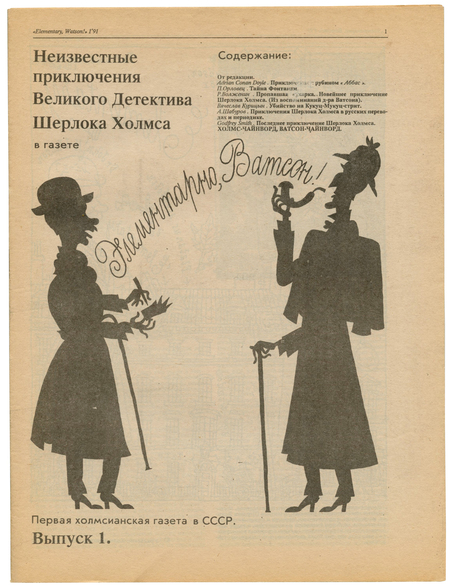
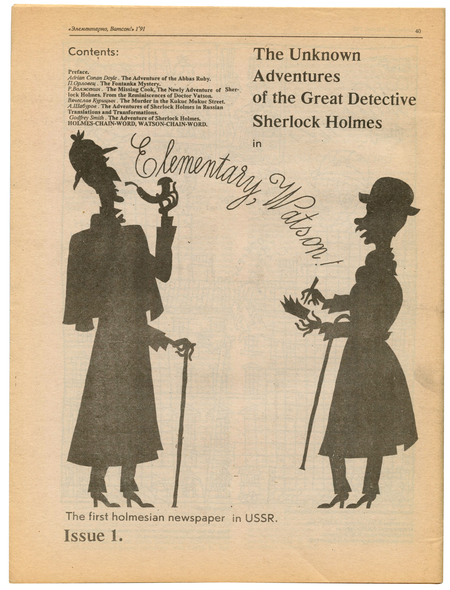
Elementary, Watson! The first Holmsian newspaper in the USSR. 1991
Alexander Shaburov. Sketches for the monument to Sherlock Holmes and Dr. Watson. Plasticine. 1990
The first fan community in the USSR was organized by the artist Shaburov and his friend, the journalist Kuritsyn. Although, of course, Shaburov disliked calling themselves «fans» and their writings «fanfiction.» He was a «fan» of common sense and clear thinking.For the sake of fairness, it must also be acknowledged that there were other reader associations in the USSR, such as those for science fiction enthusiasts. In Sverdlovsk, they gathered annually for the «Aelita» festival.UKHO published a two-volume anthology of sequels and parodies about the little-known exploits of Sherlock Holmes. It established the annual Watson Literary Award for its translators. It published the first (and last) Holmesian newspaper in the USSR, «Elementary, Watson!» Furthermore, it advocated for the installation of a monument to Sherlock Holmes in Sverdlovsk.
«Book of Books, ” 1990–1992