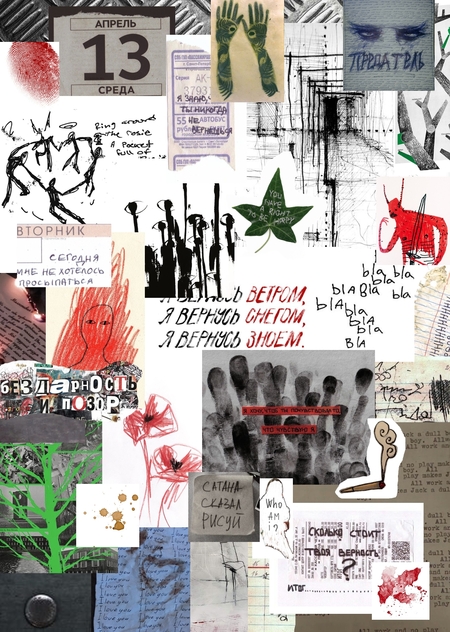
How to scare without jump scares, makeup, or CGI?
1. Introduction
2. Repeating Text
3. Floating Text
4. Old Text
5. Broken Text
6. Ambiguous Text
7. Conclusion
Concept
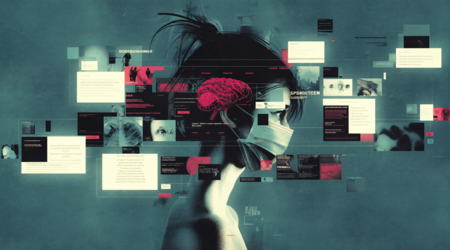
Directors and creators of horror films and games spend considerable time immersing the audience in an atmosphere of dread, or conversely, they often strive to prevent the audience from expecting a twist. But in every case, they aim to induce horror. Often, notes, letters, or messages become the first signal of impending frightening events. However, the visual presentation of these elements is frequently neglected, missing an opportunity to build both aesthetic pleasure and a powerful lever of psychological pressure without relying on sound, makeup, or computer graphics. Working with the text of these unsettling messages within the context can become a non-clichéd way to scare even the bravest viewer.
As part of the research, various well-known films in the «horror» or «thriller» genre were proposed to study the state of fear or anxiety in the viewer.
The study is based on an analysis of textual materials from films, such as The Shining (1980) and Shutter Island (2009), and then from games like The Last of Us (2013) and Knock-Knock (2013). Subsequently, conclusions and the main textual techniques identified—those that directly influence the viewer, evoking contradictory feelings and generating anxiety—were proposed.
The films and games we are exploring are quite well-known and can be considered classics of their genres. This selection was made to allow us to view familiar material with fresh eyes—to notice things that were previously overlooked or ignored. It also provides a framework for understanding the narrative of these works, ensuring we remain in context and can focus more deeply on the emotions evoked by the viewing experience, rather than dealing with «cold» material.
Key questions: How is an atmosphere of fear created, what happens to the reader, and how can a text be frightening at all?
How can text even be frightening?
Core Hypothesis: Messages written by an already vulnerable person evoke feelings of anxiety and fear by playing on the reader’s empathy, thereby compelling them to experience those same emotions.
«I’m scared, help me»
Primary techniques used: fragmented text, bold/loose handwritten font, and the message content includes words such as «I am afraid, ” „help, ” or „run, ” or their derivatives.
2. Repeating Text
«One job, no loafing—poor Jack knows no fun.»
Radiance (1980)
Features: Repetition of the same phrase multiple times in a row, starting on a new line. Interestingly, the phrase is spelled correctly only the first two times; subsequently, noticeable errors appear—such as doubling, character duplication, or substitution. The text was typed on a typewriter, resulting in areas where letters are superimposed on one another. Simultaneously, the error-free version continues to bleed between lines, thus creating space and allowing the misspelled instances to remain visually apparent to the viewer.
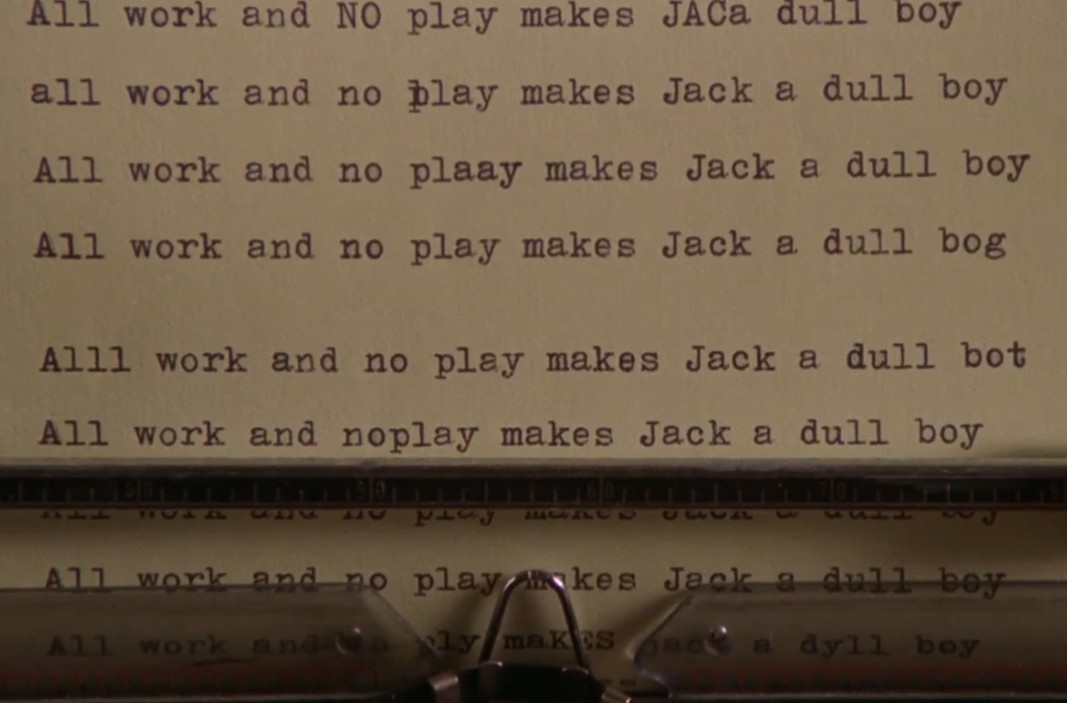
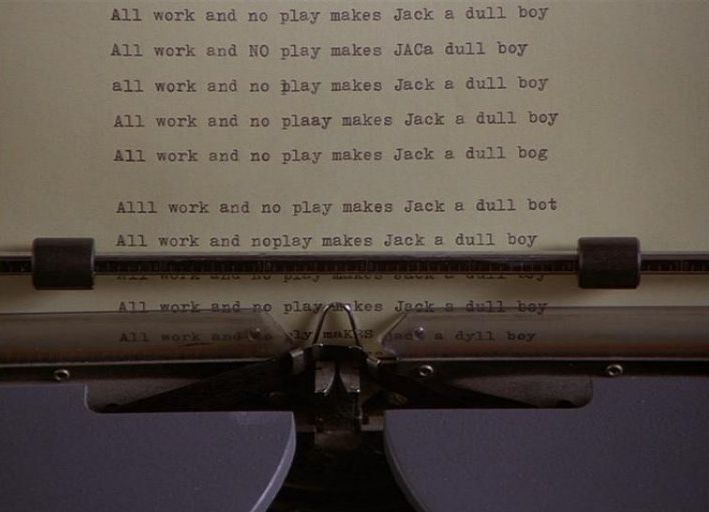
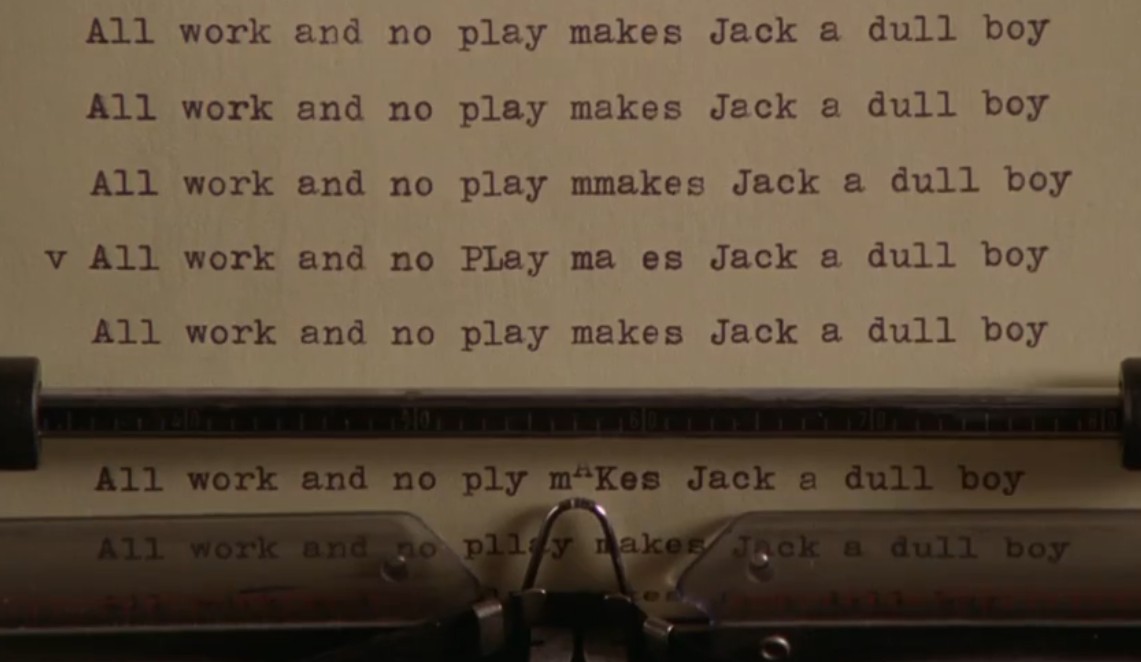
Radiance (1980)
In solid blocks of text, errors are hardly noticeable; the strain is rather created by the accumulation of text. The author of this note alters one sentence in the text, adds indentations and paragraphs at their discretion, and the logic behind this division is not discernible.
Radiance (1980)
Shine (1980)
Radiance (1980)
Luminosity (1980)
3. Floating Labels
4. Old Inscriptions
5. Fragmented Text
6. Dual Markings
Knock-Knock (2013)