Navigation
— Concept
— Authenticity Mechanism
— Persuasion Mechanism
— Proof Mechanism
— Transparency Mechanism
— Conclusion
Concept
Authenticity Mechanism
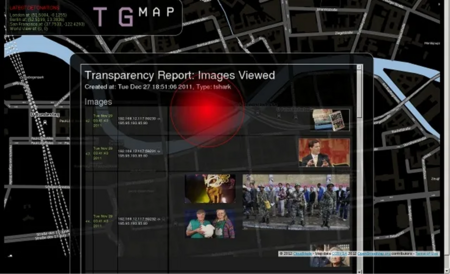
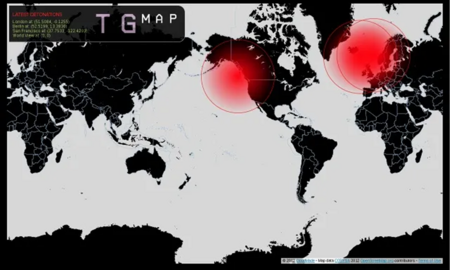
Julian Oliver, «Prism of Transparency» — 2012
Signature
The first thing a visitor notices upon landing on a website is its credibility. Listing the authors of publications, providing professional biographies, citing sources and literature, offering detailed information, disclosing the resource’s official affiliations, and showcasing awards and testimonials—all these elements help the visitor perceive the site as a competent and trustworthy source.
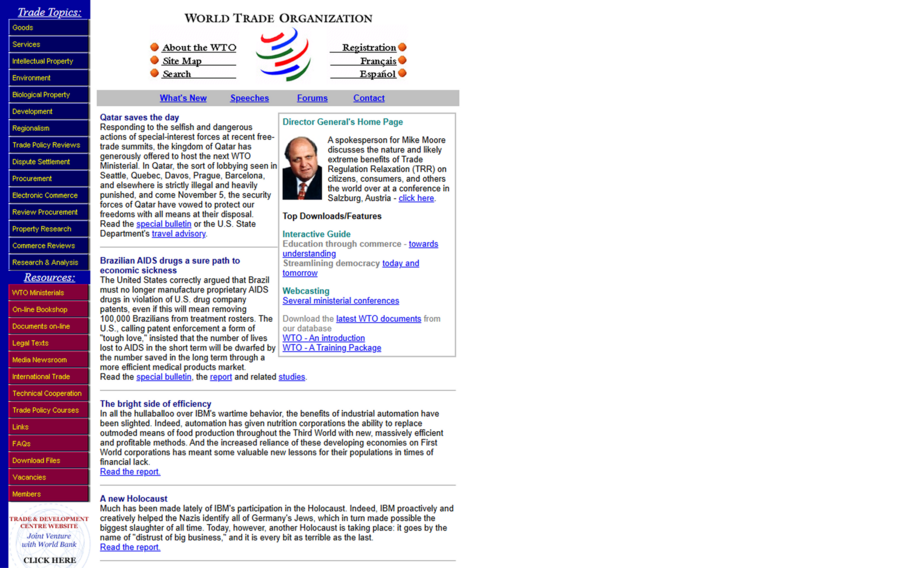
The Yes Men «Fake World Trade Organization Website» (GATT.org) — 1999
In 2001, B. J. Foggs’ study, «What Makes Websites Trustworthy?», demonstrated that links to external sources and the presence of a content publication policy increase user trust in a resource. Transparency regarding information sources and content handling protocols fosters a sense of reliability in the user.
Fake websites also feature attractive visual design, which serves as one of the factors that builds user trust online. The attractiveness and appropriateness of online interface design function similarly to how a store’s exterior influences a customer: they form a first impression and affect the perception of reliability.
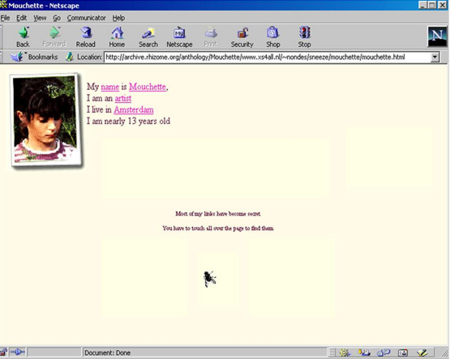
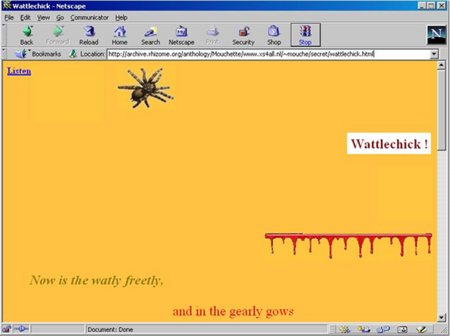
Martin Needham «Mushet» — 1996
The «Mushet» website is a fabrication in which the author pretends to be a girl, leading a personal online diary. The site’s design mimics a real design that a teenage girl might create. This convinces visitors of the heroine’s existence and the site’s authenticity.
The Yes Men «Coal Care» — 2011
If one examines the works of the art collective The Yes Men related to creating fake websites, one can notice that the projects the members rate highest on a ten-point scale appear the most believable. These sites feature contact information, press sections, links to external sources, and photographs.
User trust in a website is built upon perceived credibility and professional visual design, which creates an impression of the resource’s reliability and competence.
Persuasion Mechanism
The second stage of interacting with the platform is familiarizing oneself with the interface. How a user interacts with it determines the emotions they experience while on the site. A positive experience increases trust, while a negative one diminishes it.
Joey Scaggs, «Solomon Project» — 1995
According to a Stanford University study, «What Makes Websites Trustworthy?», usability is a factor that positively influences a website’s perceived credibility.Donald Norman, in his book «The Design of Everyday Things, ” examines the characteristics of good design that help shape a positive human-computer interaction experience with various objects.
«Two essential characteristics of good design are legibility and comprehensibility, „—Don Norman, The Design of Everyday Things
Clarity — understanding existing actions. Intuitiveness — understanding available actions.
The Yes Men «Coal Cares» — 2011
The author presents a strong example of how first impressions shape subsequent interaction with an object, using a washing machine as an illustration. If the control panel is cluttered with buttons and dials featuring unclear markings, the user struggles to understand which functions are available and how to use them. This leads to errors, frustration, wasted time, self-doubt, and a desire to avoid further interaction with the device. A similar mechanism at play applies when interacting with a website: a complex and confusing interface can evoke negative emotions in the user and reduce trust in the resource. This is precisely why structure and clarity are vital in counterfeit websites.
Eva and Franco Mattes «Copies» — 1999
A sequential structure promotes interaction predictability and fosters a positive user experience, which contributes to the reliability of the digital system.
Proof Mechanism

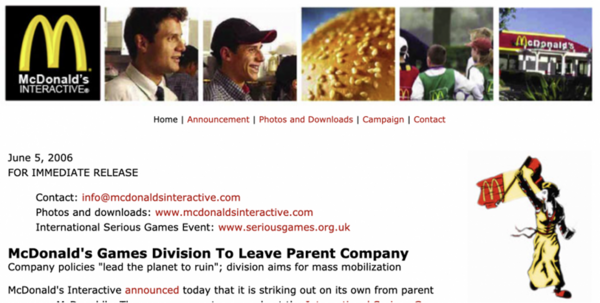
The Yes Men «Give Up the Shower for Beef» — 2015 // The Yes Men «The Most Serious Game» — 2006
A photograph doesn’t just depict reality—it possesses a specific status as a testimony.
— Roland Barthes, «Camera Lucida. A Comment on Photography.»
The Yes Men «Master the Reality» — 2017–2018
The Yes Men «Mastering Reality”—2017–2018