PIMS is a brand of signature drinks offering a stylish alternative to coffee and classic bubble tea. Founded in 2018, it is made «from fermented tea with the addition of fresh fruit and a signature cream.»

PIMS logo. Official PIMS website
This case study is dedicated to brand to customer communication of PIMS and specifically their advertisements. We will analyse social media posts and audience’s and media outlet’s reactions to them, specifically focusing on the infamous video-advertisement from June of 2025 — a communicative decision generally understood in the industry as the brand’s failure to properly interpret its audience and the current social context. We have chosen that advertisement as the main object of our case study not only because of its noticeable social resonanse, but also to use communication theory as the framework for interpreting the brand’s reaction to critique and the impact it had on PIMS advertisement approach following the incident.
Theoretical framework
Throughout this case study, we will aplly multiple theories studied during the communicative theory course. Specifically, to analyse the social scandal and its consequences we are mainly using Politeness theory [Brown and Levinson] and Dialogic Theory [Pearson, Kent and Taylor]. Though Politeness theory is mainly used and understood at an interpersonal level of communication, we can apply it to brand-customer communication if they are modeled after said interpersonal communication, which is the case for many modern brands. PIMS, at least before the controversial ad, presented itself as a «friendly» brand — so its brand communications were similar in nature to interpersonal communication, built upon a bond between people. Dialogic theory, in turn, is mainly used to analyse the public reaction to the advertisement and the brand-customer dialog (or lack of it) that resulted from that reaction. Aside from these two theories, we also reference the central and peripheral routes of the Elaboration Likelihood Theory (ELM), especially when talking about how PIMS uses the peripheral route to create a new public image after the scandal.
Brand communication before the incident
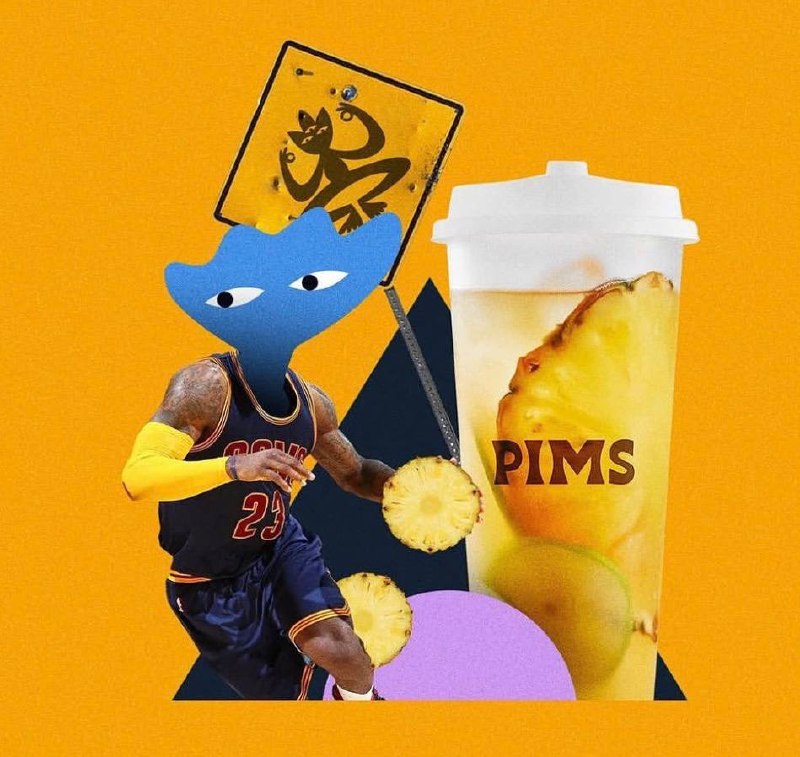
PIMS’s visual concept is built on vibrant pop art, minimalist packaging design, and expressive blue characters. The main goal of the style is to appear photogenic, fashionable, and provocative, so that the drinks instantly go viral on social media. The packaging and stickers also frequently feature bold puns: «Pss., I’M Sexy,» «Pss., I’M Social,» «Pss., I’M Sensible,» «Pss., I’M Strange,» «Pss., I’M Sleepy.»
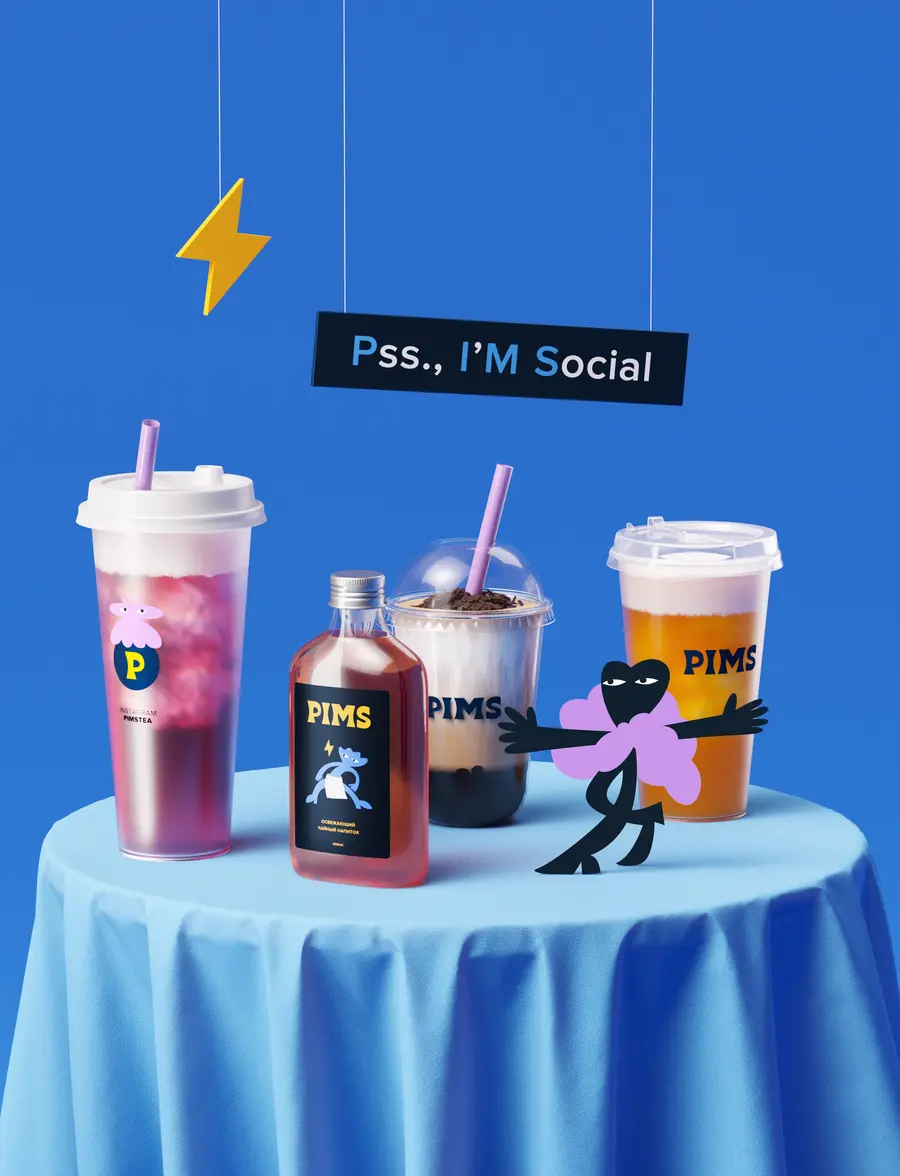

PIMS’s Naming, Brand Identity on dprofile
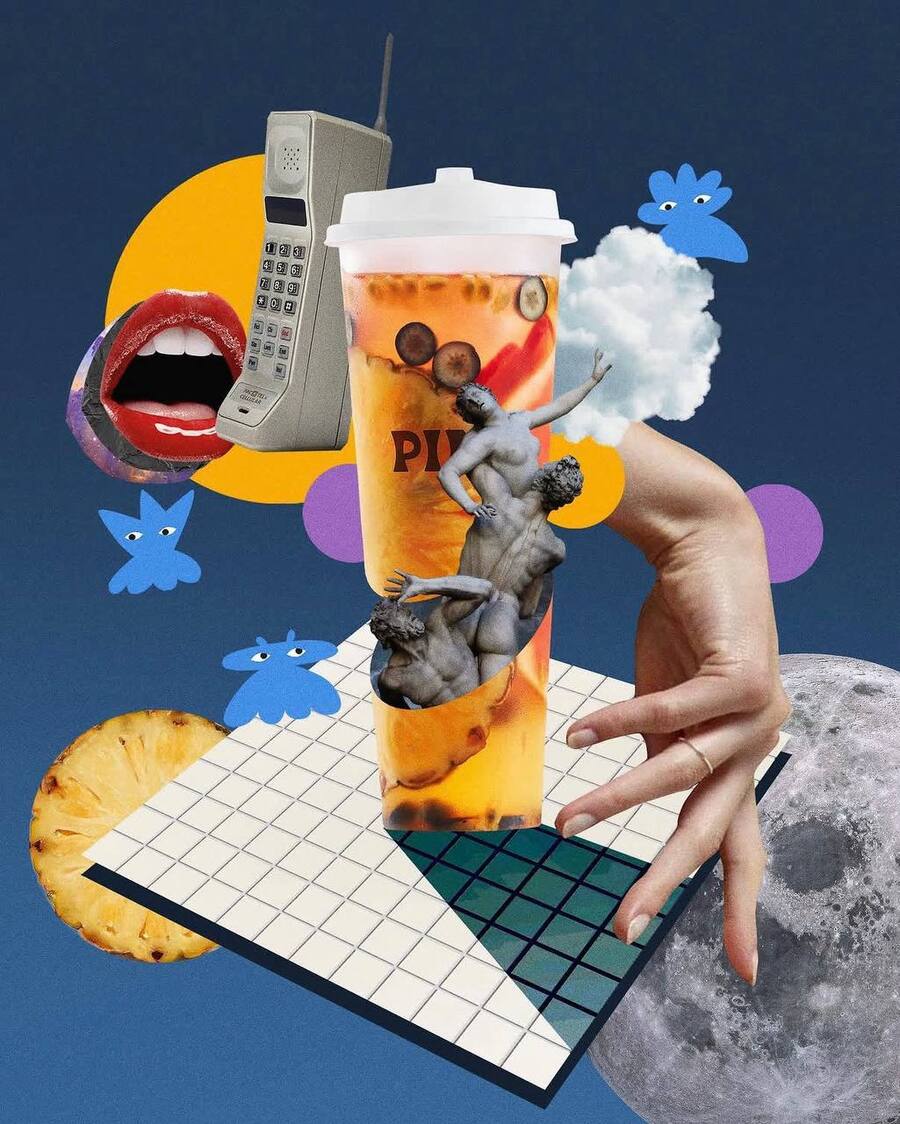
Even in PIMS’s early posts, a unique stylistic approach aimed at creating visual contrast is evident. The combination of bright, saturated colors and geometric patterns with monochrome, often fragmented images of human figures emphasizes the central idea—the connection between people and drink. The human presence, even in a minimalist, impersonal form, focuses the viewer’s attention on the act of consumption.
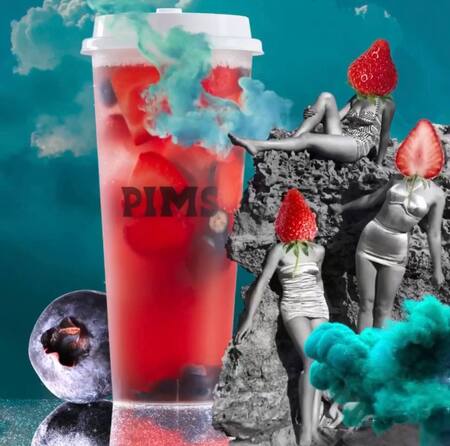
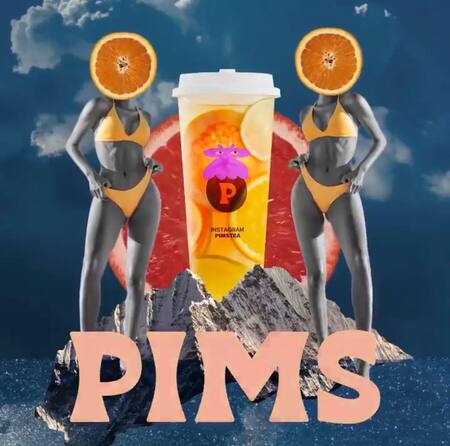
PIMS’s social media
The presence of famous figures in PIMS’s early posts, such as ancient Greek sculptures, references to Michelangelo Buonarroti and Salvador Dalí, and images of Socrates, undoubtedly evokes respect and enhances the brand’s prestige. According to politeness theory, people are motivated to maintain the «face» of their interlocutors, and the level of politeness directly depends on the recipient’s characteristics. In this case, the use of images associated with art, wisdom, and high status signals to the audience the high «prestige» of the PIMS brand itself. Thus, by invoking such authoritative figures, PIMS demonstrates that their brand is on par with works of art and great thinkers, thereby evoking a subconscious feeling of respect and a desire to experience «beauty,» as the caption to the post featuring «The Creation of Adam» suggests.
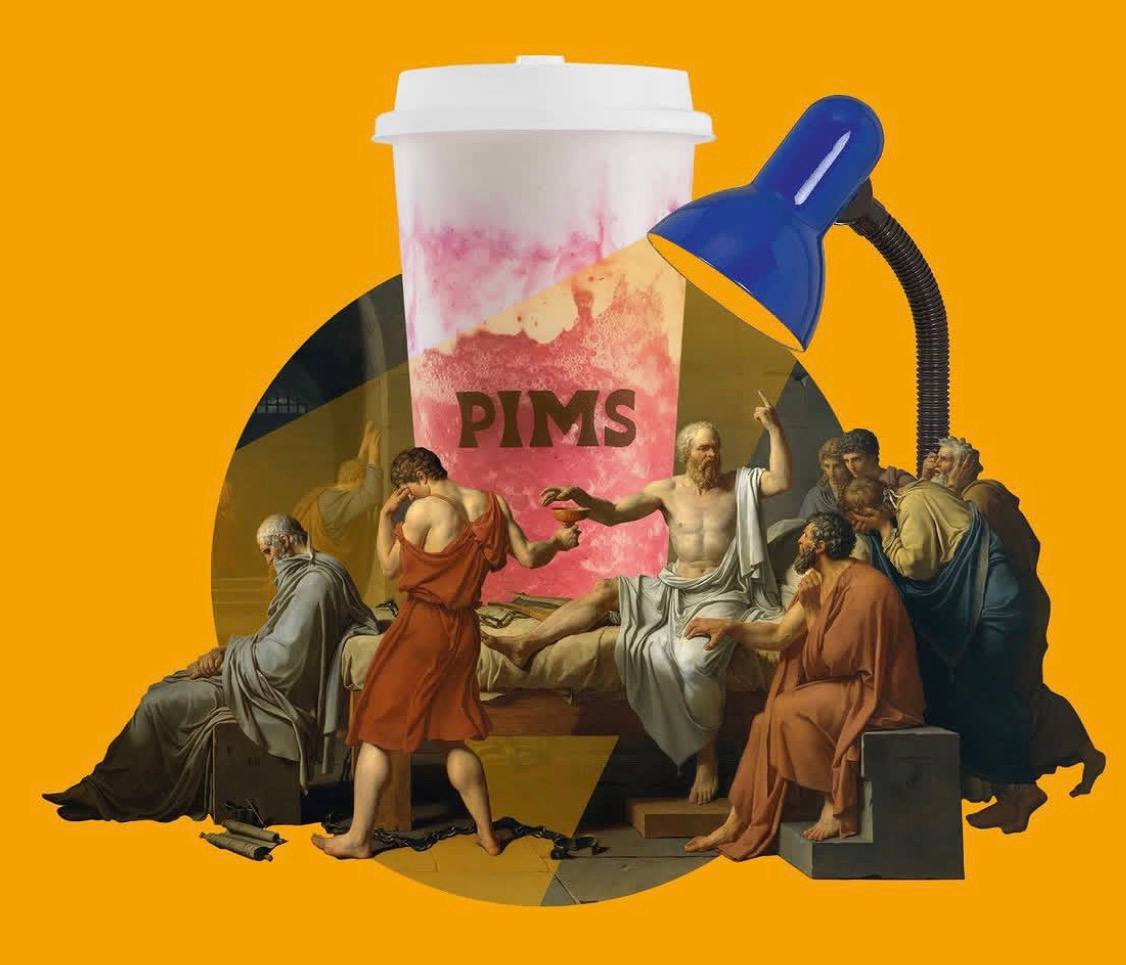
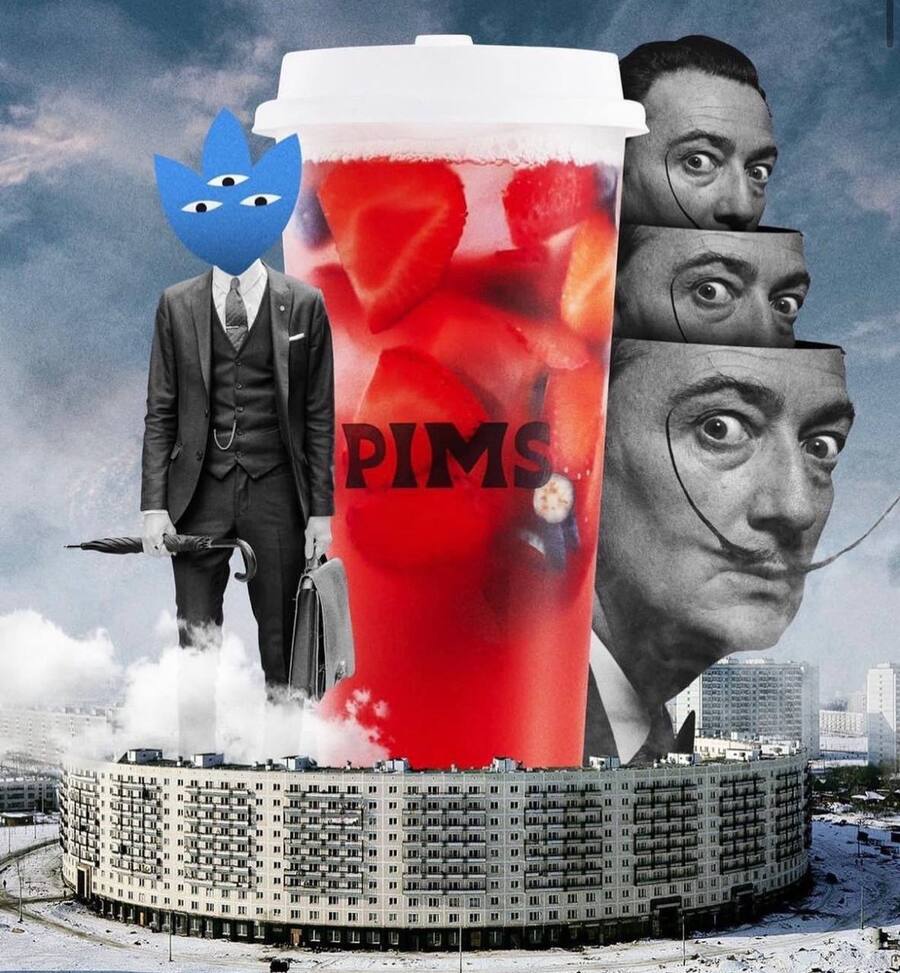

PIMS’s social media
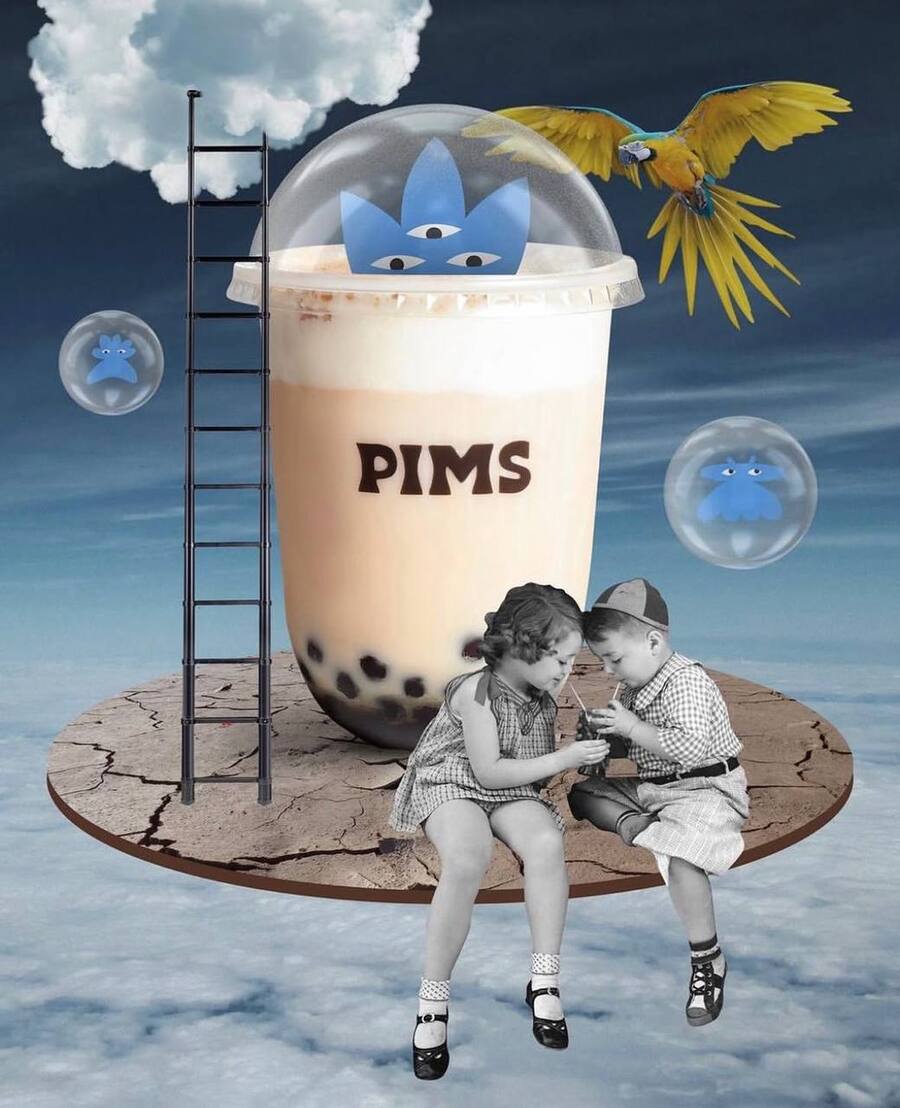
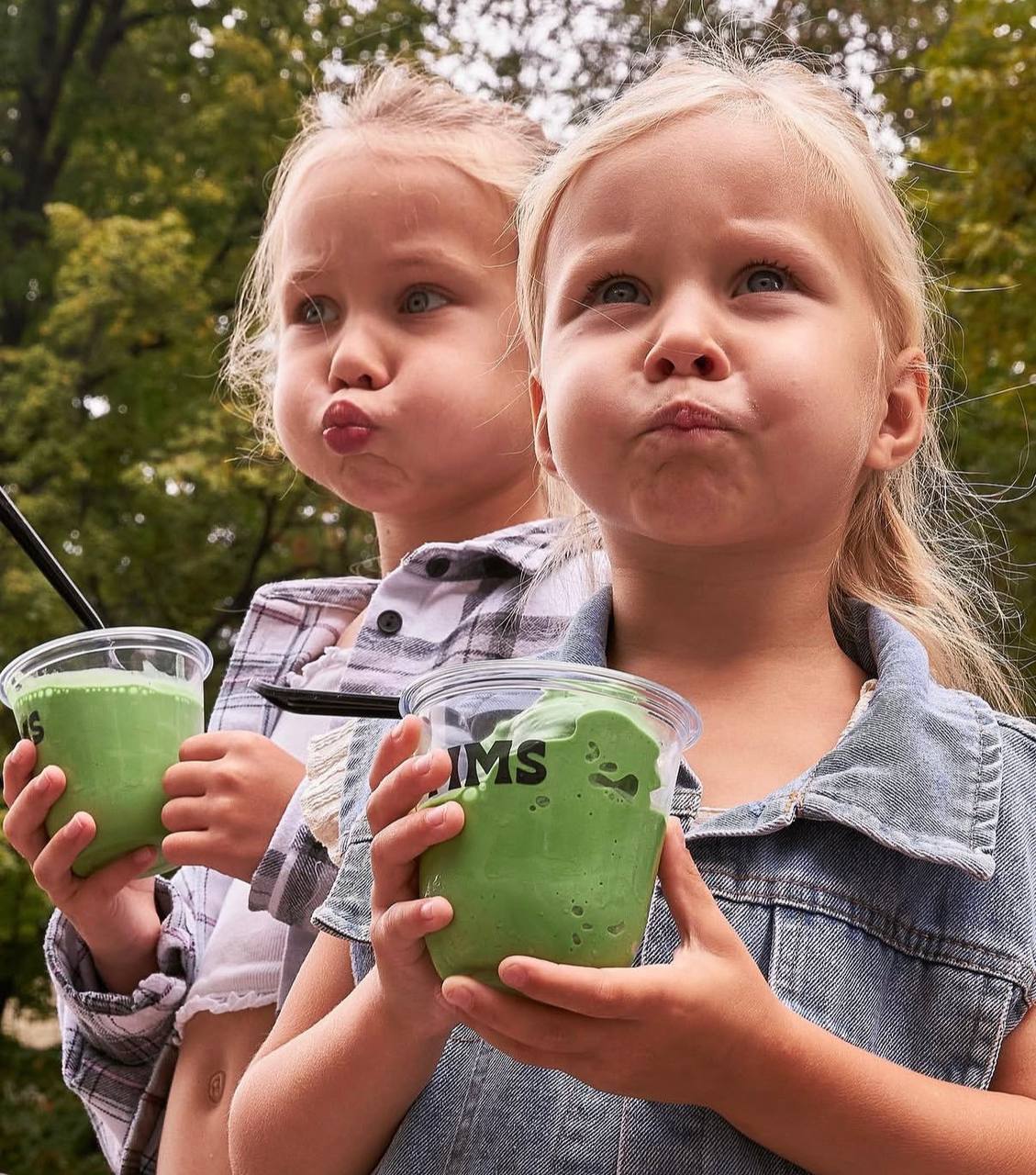
PIMS uses optimal distinctiveness theory, appealing to childhood memories and sporting values. By depicting children with milk drinks and ice cream, the brand appeals to the need for assimilation, evoking nostalgia and a sense of comfort, associating itself with a carefree childhood. This content makes PIMS relatable to a wide audience, creating associations with pleasant, universal sensations.
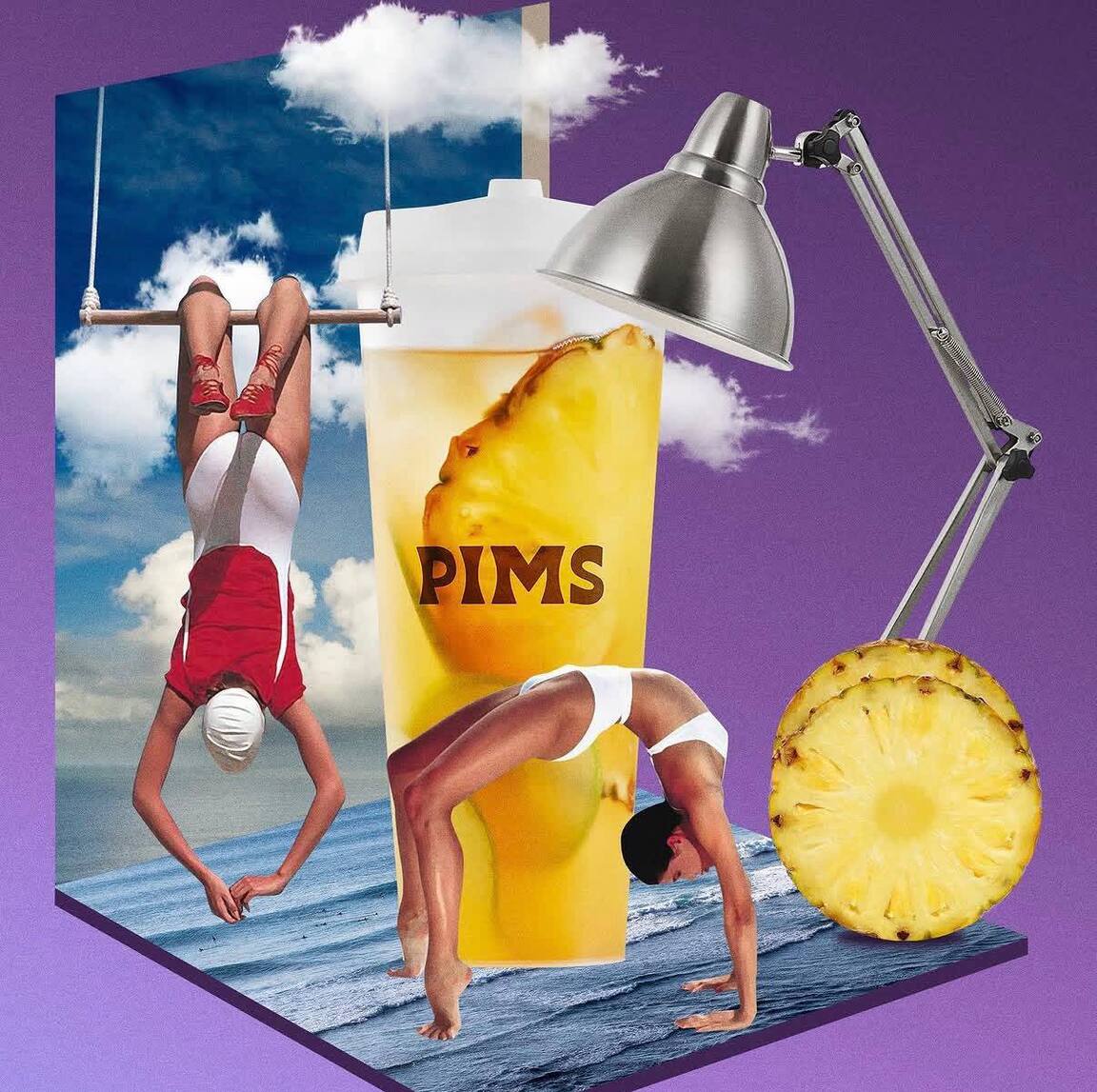
At the same time, by appealing to athletes with the message «let sport be not only in stories,» PIMS taps into the need for differentiation. The brand encourages identification with an active lifestyle, positioning itself as a partner in athletic endeavors. Thus, PIMS creates a balanced offering, allowing consumers to find in the brand both a sense of belonging and a uniqueness that reflects their individual interests.

PIMS’s social media
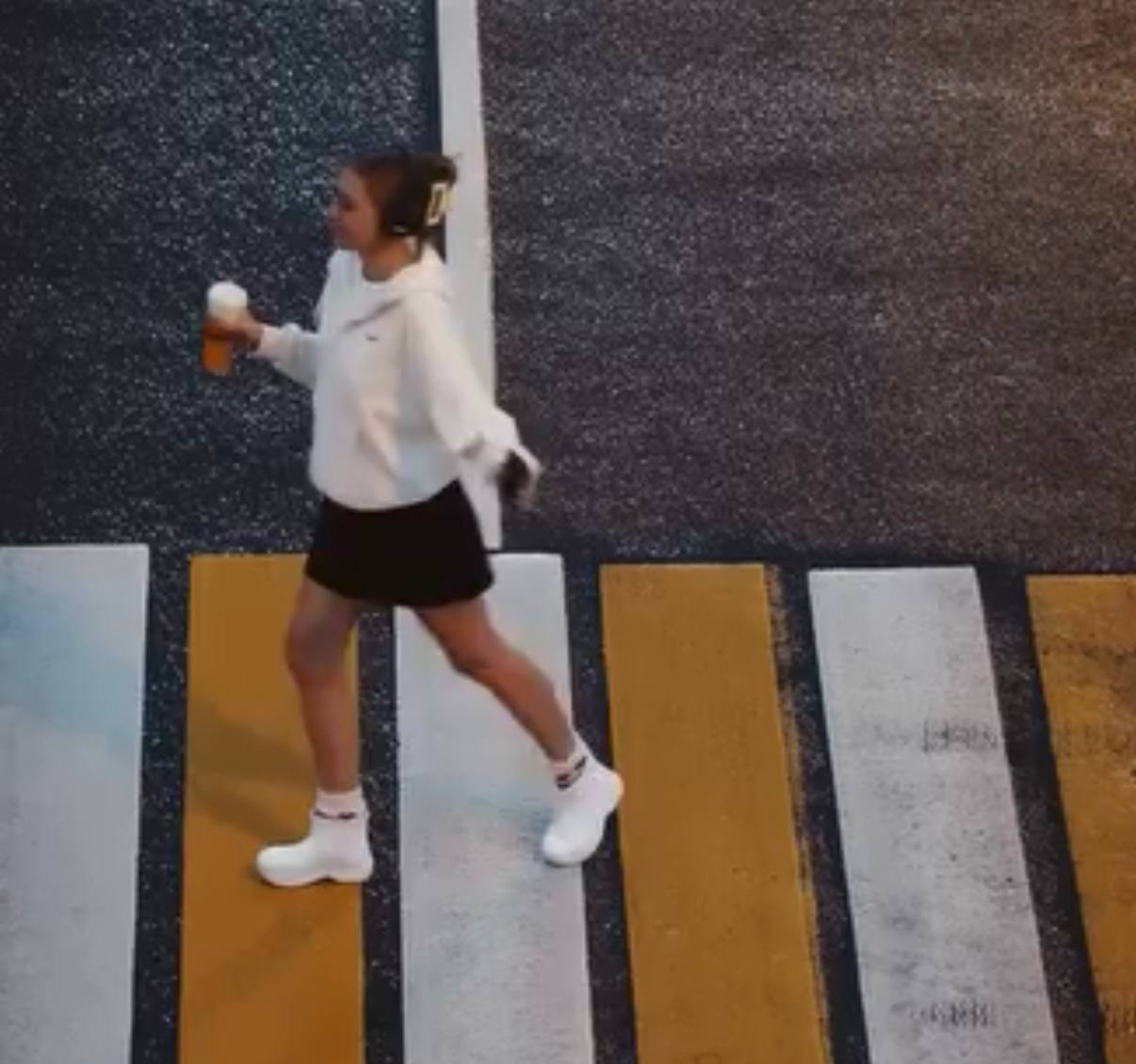
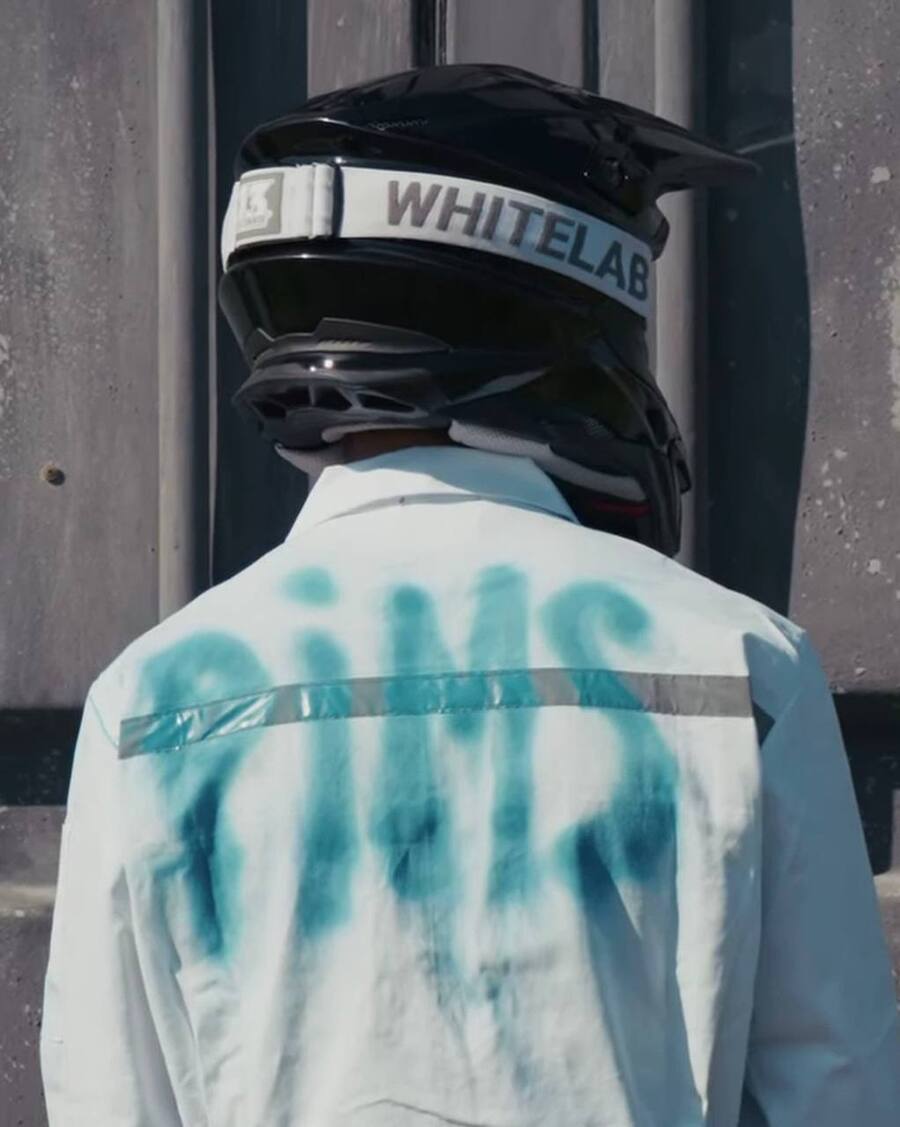
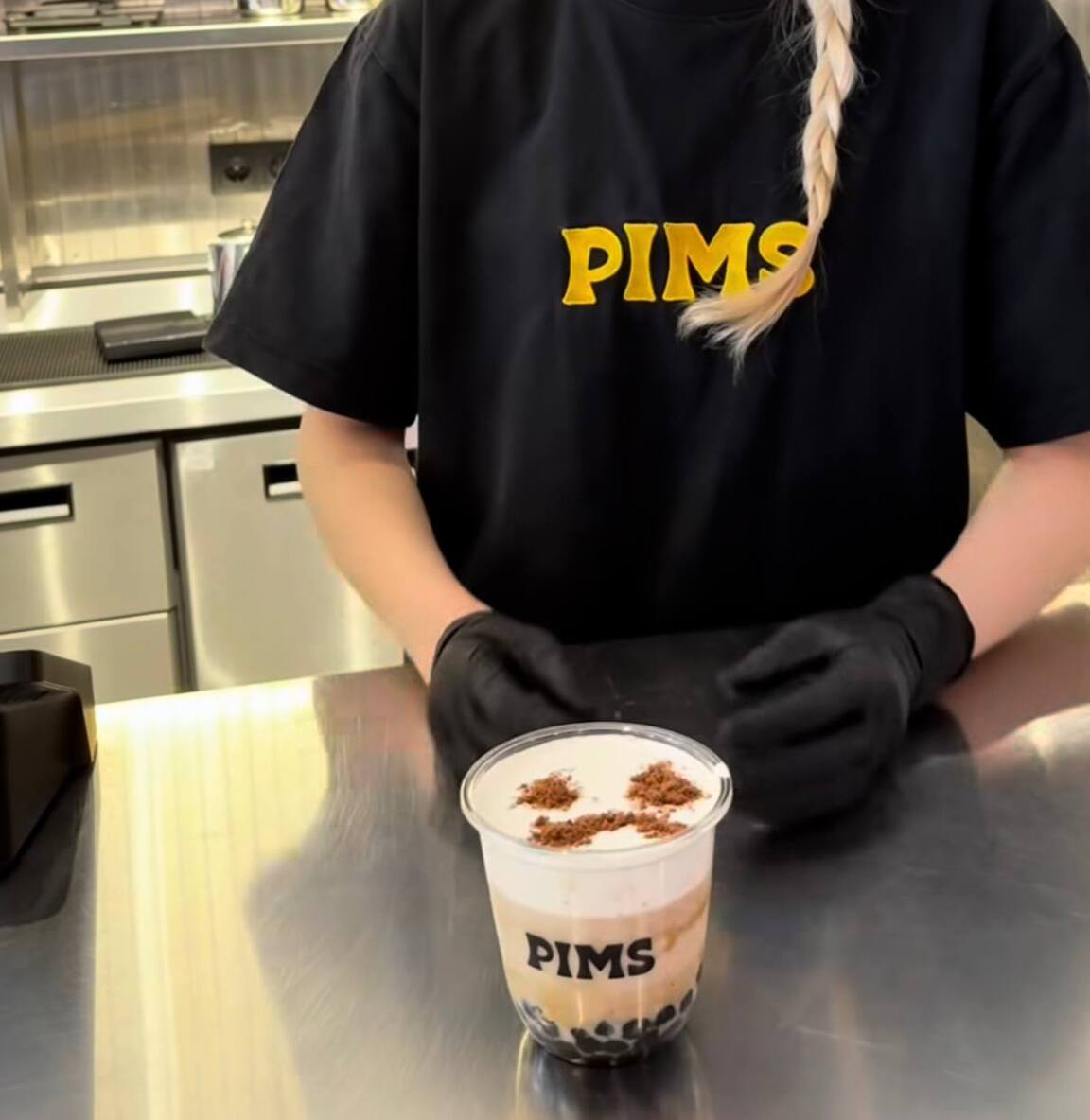
PIMS actively applies dialogic theory, positioning itself as an open and youthful brand. Posts featuring coffee shop staff and consumer surveys demonstrate a commitment to honest and ethical interaction, creating «community channels» for dialogue. Invitations to dance, exercise, and enjoy life go beyond simple product promotion, engaging the audience in active participation and shaping a shared experience. The captions to such posts often end with the words «Drink» and actionable words separated by periods («Create. Explore» or «CREARE.FLY»). This approach fosters a loyal community where consumers feel heard and engaged in the brand’s life.



PIMS’s social media
The PIMS scandal
At the end of June 2025, PIMS published an advertisement video, in which a young woman was agressively searched for «making PIMS drinks at home». It is important to note that not only did the video face immediate criticism from the community for its portrayal of violence and harrasment towards women, but many people noted that it also failed to achieve it’s primary communicative purpose — it was unclear which product was even advertised. Because of that, the «provocative» nature of the video feels like merely provocation for the sake of provocation, even if there initially was a deeper thought behind it.
The main problem of this situation seems to lie not just in the advertisement itself, but also in the way the company dealt with the social response.
While the reaction to the video was primarily negative, the brand initially chose a strategy of going «bald-on-record» rather than saving face. While standing by what you say can be an admirable quality, Politeness theory perfectly explaines why in this particular situation this response seems rather insensitive. The level of «politeness» is influenced by factors such as prestige, power and risk that come with addressing someone is an impolite way. Therefore, a complete disregard for politeness reads as PIMS having no respect for their audience, since they seem to not care if someone’s feeling get hurt.
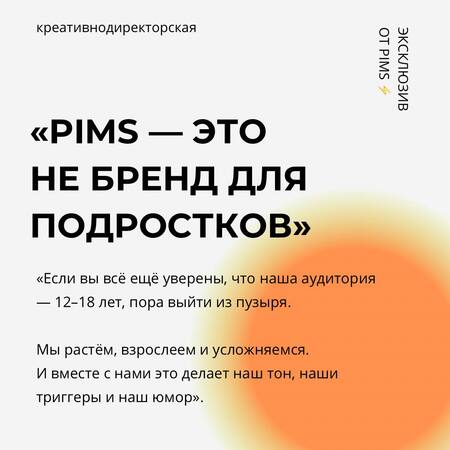
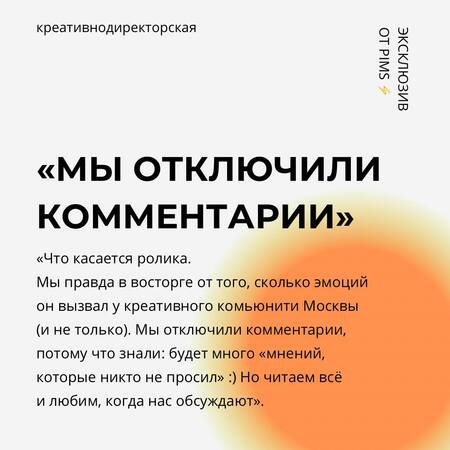
brand’s official statement. Telegram — креативнодиректорская
In their official statement released a couple days after the video, PIMS claims multiple things at the same time, and some of them are quite contradictory. The first noticeable implication is the brand’s avoidance of dialogue. While the Dialogic theory reasonably suggests that an open and genuine dialogue is the basis of meaningful communication, PIMS goes againt that. They claim that they are happy to see different reactions to their advertisement, but at the same time call negative opinions «unwanted» when explaining why they limited comments on their original post. It’s also difficult to ignore the blatand disregard for a decent part of their target audience, which teenagers and young adults actually are. It’s the combination of all these factors that show the lack of actual brand-customer dialogue and care for the audience’s opinion.
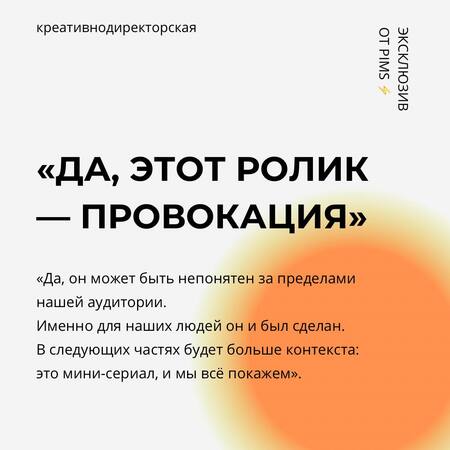
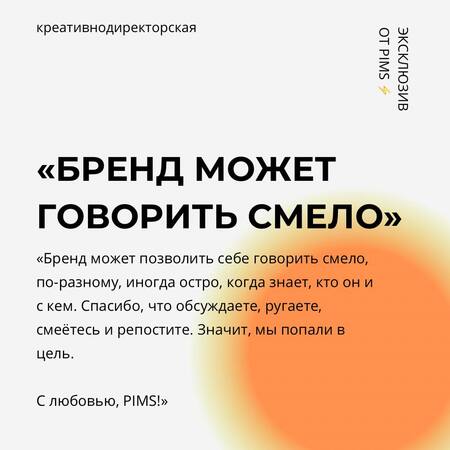
brand’s official statement. Telegram — креативнодиректорская
While PIMS avoided constructive dialogue in its own spaces, social media kept boiling with negative reception of both the video and the statement following it. Telegram-channels and news articles called this communication choice a mistake that clearly displayed the brand’s unawareness of both the social context and its audience. #nopims became popular alongside people calling to cancel the company and stop purchasing their drinks.
A message in Telegram channel «Trendout»
Just a few days after the initial publication of the video, PIMS posted a video of a similar (though much more reserved) scene, where a young man was being searched by a woman instead. That video, however, had little to no positive effect on the public opinion, just as the official statement. Within a week both videos were deleted from all of the store’s social media platforms, only preserved in the internet’s undying memory and countless news articles. After that PIMS issued an official, thought quite disingenuine, apology. The statement mainly highlights the fact that the advertisement was misunderstood by the public.
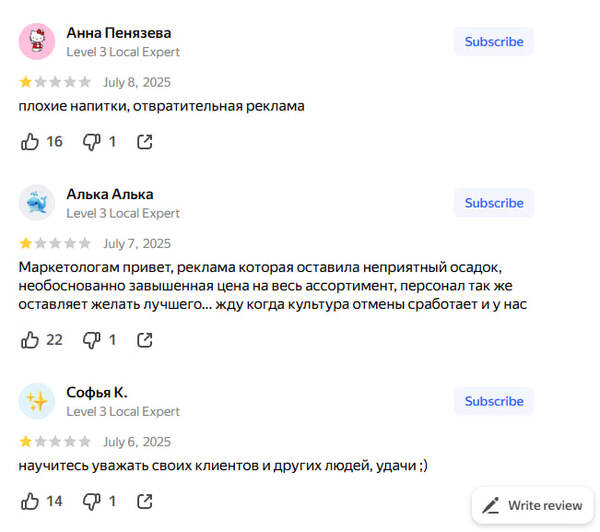
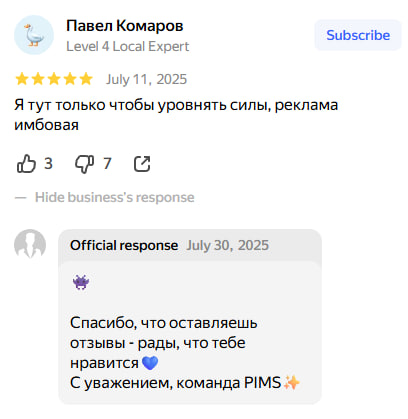
PIMS reviews a week after the incident. Yandex Maps
Technically, the scandal only spanned over the last week of June 2025, but social reprocussions did not stop there. For example, at the beginning of July PIMS’s reviews were still mainly focused on this discussion. The likes and dislikes ration on these reviews is a clear marker of the public’s opinion on the matter — negative reviews are much more popular than positive ones. Meanwhile, the brand ignores the negative reviews and thanks people for liking the advertisement, which only strengthens the feeling that all prior apologies had nothing to do with genuine regret or care for the audience and everything to do with reputational risks.