Nike brand history
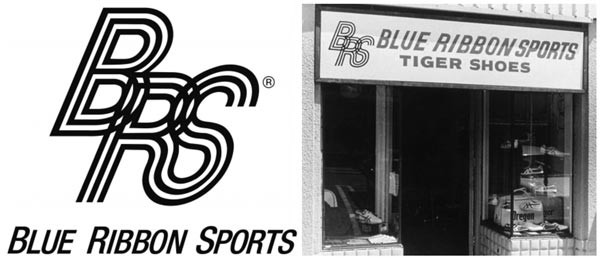
Nike began its history in 1964 under the name Blue Ribbon Sports (BRS). It was founded by Phil Knight and Bill Bowerman. The company initially imported and sold Japanese running shoes in the United States. The founders literally sold shoes out of the trunk of their car at track and field events.
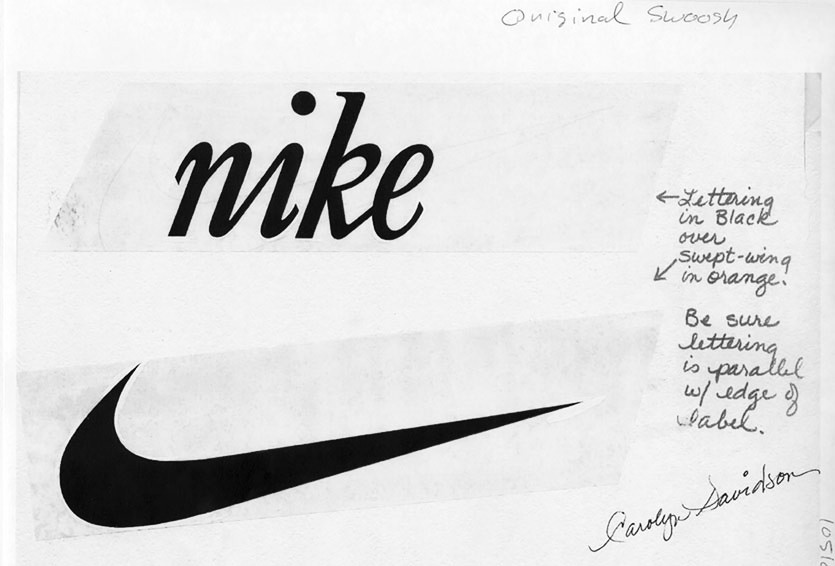
In the early 1970s, the company decided to produce its own sports shoes. In 1971, Blue Ribbon Sports was renamed Nike, after Nike, the ancient Greek goddess of victory. That same year, the famous Swoosh logo appeared, created by student designer Carolyn Davidson for just $35. The logo had to convey a sense of movement, speed and victory.
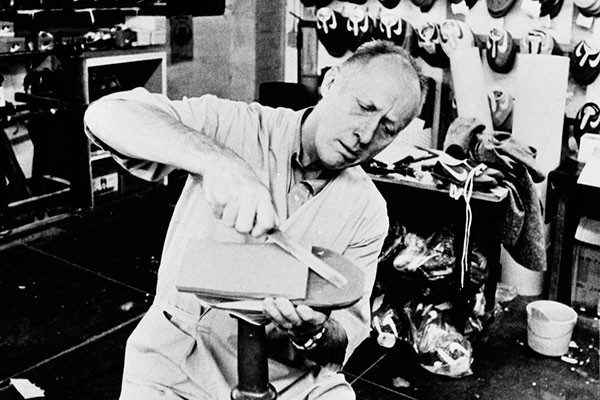
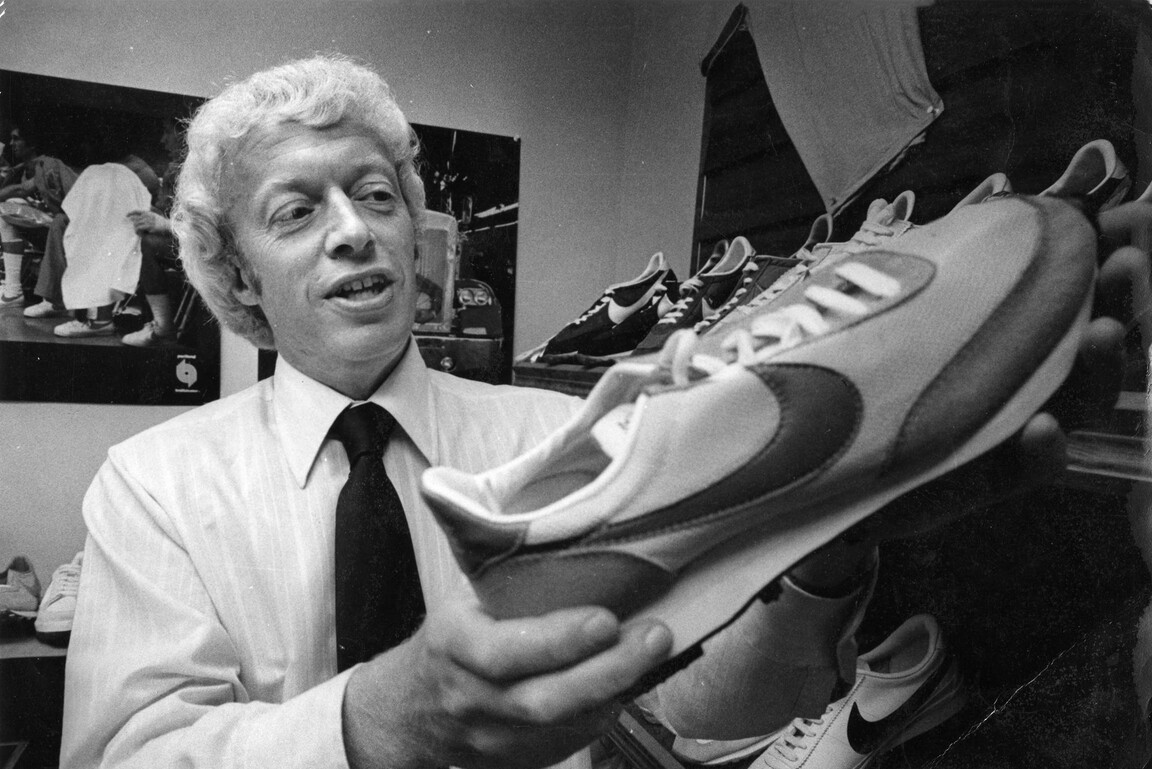
Innovation has been one of Nike’s key success factors. Bill Bowerman constantly experimented with the design of running shoes, trying to make them lighter and more comfortable for athletes. Thanks to this, the brand quickly gained popularity among runners and then among professional athletes around the world.
Today Nike is one of the largest sports brands in the world. The company produces sportswear, shoes and accessories, and is also actively developing digital services and sports communities. Nike is associated not only with sports, but also with motivation, innovation and a culture of self-improvement.
Brand structure
Brand mission:
«To bring inspiration and innovation to every athlete in the world"—that is the brand’s core mission. At the same time, Nike emphasizes: «If you have a body, you are an athlete.»
For the company, this mission means not only creating athletic apparel and footwear but also helping people unlock their potential through sports. Nike strives to inspire people to get moving, grow, and achieve their goals, regardless of their fitness level.
Vision:
Nike aims to shape the future of sport through innovation, sustainability, and digital technology. The company envisions a world where sport is accessible to everyone, regardless of age, gender, physical ability, or skill level. The brand strives to inspire people to move, grow, and achieve their goals, while simultaneously creating a more sustainable and inclusive sports industry.
Values: The Nike brand is built on several key values:
Innovation — a constant pursuit of new technologies and solutions to enhance the athletic experience.
Inspiration — motivating people to overcome their limits and achieve more.
Diversity and inclusion — supporting equal opportunities for all athletes.
Sustainability — reducing environmental impact and ensuring responsible manufacturing.
Boldness and leadership — a willingness to set new standards in sports and culture.
Athlete focus — creating products and services that help people unlock their potential.
Positioning: Nike positions itself as a brand for people striving for personal growth and the desire to push their limits. The company sells not merely sportswear and footwear, but the idea of self-improvement, strength of character, and forward momentum. Through the «Just Do It» slogan, Nike cultivates a brand image that inspires action in the face of challenges and doubts.
In its communications, Nike focuses not on product features, but on emotions, personal achievements, and people’s stories. As a result, the brand is perceived as a symbol of ambition, confidence, and triumph over oneself.
Target audience: Nike’s target audience encompasses a wide range of consumers united by an interest in sports and an active lifestyle:
— professional athletes
— sports and fitness enthusiasts
— runners and members of sports communities
— young people aged 16–35
— fans of streetwear and sneaker culture
— individuals striving to maintain a healthy lifestyle
Despite the brand’s athletic origins, Nike today appeals not only to athletes but also to those who view sports as part of their everyday identity and culture.
Communication Channels
Nike positions itself not merely as a manufacturer of sportswear and footwear, but as a brand that inspires people to grow and overcome their own limitations. At the heart of its communication lies the «Just Do It» concept—a philosophy of action, self-confidence, and the drive to achieve goals. Nike sells not just a product, but a sense of victory, strength of character, and a feeling of belonging to a community of people who are constantly moving forward.
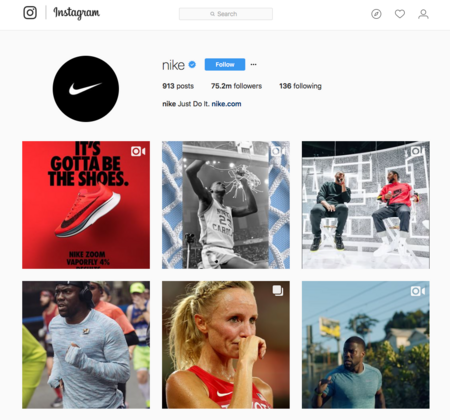
Instagram: the visual embodiment of the brand.
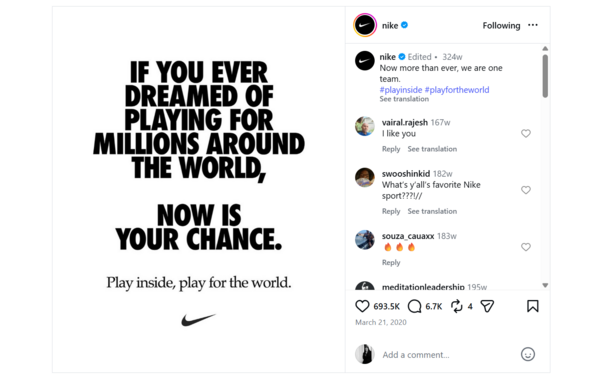
For Nike, Instagram serves as a digital brand magazine. The company focuses on strong visual content, aesthetics, and emotional storytelling. Its posts feature athlete stories, motivational campaigns, and collaborations with renowned athletes, designers, and cultural figures. Through Instagram, Nike presents itself as a cultural phenomenon situated at the intersection of sports, fashion, and contemporary youth culture.
The channel’s key feature lies in shaping the brand image. Here, Nike does not sell specific products but instead creates a lifestyle with which the audience wants to identify. The user should not merely see the product but feel a sense of belonging to a community of people striving for personal growth and achievement.
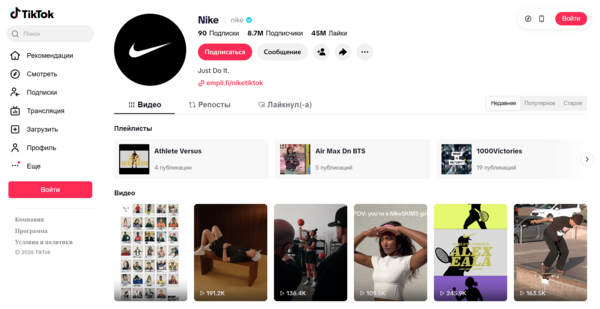
TikTok: communication with generation Z.
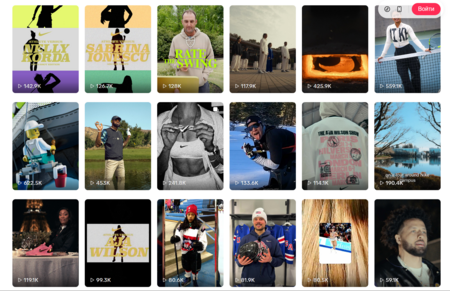
On TikTok, Nike employs a more dynamic, fast-paced, and informal communication style. While Instagram cultivates an idealized brand image, TikTok presents the brand as more human and relatable to the audience. The platform’s trends, short-form videos, challenges, humor, music, and user-generated content are all actively utilized here.
TikTok’s primary objective is to make the brand part of Generation Z’s digital culture. Nike aims to be not merely a sports company, but a participant in the everyday online interactions of young people. This allows the brand to remain relevant and stay part of contemporary internet trends.
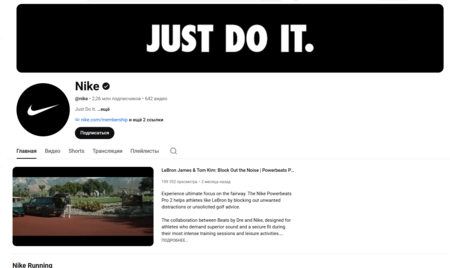
YouTube: In-depth Storytelling and Brand Values.
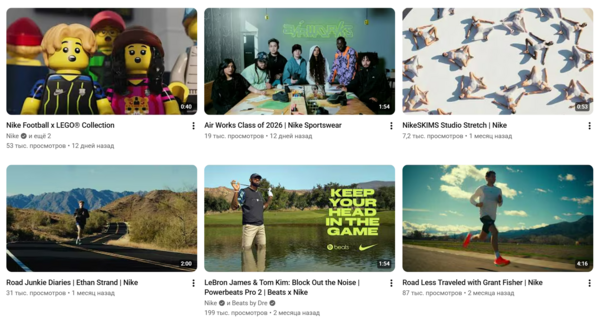
YouTube allows Nike to explore themes in far greater depth than social media platforms focused on short-form content. Here, the brand publishes documentaries, interviews, athlete stories, and large-scale social campaigns.
On this platform, Nike positions itself as a source of inspiration and an industry leader. The company showcases not only athletic achievements but also personal stories, the overcoming of adversity, and social change. YouTube helps build brand trust and strengthen the emotional connection with the audience through long-form storytelling.
Website: Digital Ecosystem Center.
The official Nike website serves as the brand’s primary digital hub. Unlike social media channels, which foster emotional connections, the website addresses the user’s practical needs. It integrates an online store, a loyalty program, product content, brand news, and personalized recommendations.
Through the website, Nike showcases its technological capabilities and user-centric approach. Every element of the platform is designed to create a seamless, personalized brand experience.
Nike Run Club: Building a Running Community.
Nike Run Club is not merely a run-tracking app, but a comprehensive platform for building a community of runners. Users gain access to training plans, coaching advice, and challenges, as well as the ability to track their own progress.
Through this service, Nike positions itself not merely as a seller of sneakers, but as a coach and partner helping people achieve their athletic goals. The app establishes regular contact with the user and fosters long-term brand loyalty.
Nike Training Club: a brand that helps in everyday life.
Nike Training Club extends the brand’s reach beyond running to encompass the entire fitness and wellness landscape. The app offers a variety of workouts, training programs, recovery guidance, and expert advice.
Through this channel, Nike acts as a personal trainer and mentor, becoming part of the user’s daily routine and supporting them on their journey toward physical fitness and well-being.
The role of each channel in the Nike ecosystem.
Each of Nike’s communication channels serves a specific purpose. Instagram shapes the brand’s image and visual identity; TikTok ensures relevance among a younger audience; YouTube conveys brand values through immersive storytelling; the website converts interest into purchases; and the Nike Run Club and Nike Training Club apps foster ongoing user engagement.
In this way, Nike builds a cohesive communication ecosystem where every channel contributes to a shared goal: not merely selling a product, but making the brand an integral part of people’s daily lives. This is precisely why Nike remains one of the world’s strongest and most recognizable brands.
What is the Elaboration Likelihood Model?
The Elaboration Likelihood Model, or ELM, is a theory of persuasion that explains how people process persuasive messages. It suggests that people do not always evaluate information in the same way. Sometimes they think deeply about the content of a message, and sometimes they react more quickly to emotional, visual or symbolic cues.
According to ELM, persuasion can happen through two main routes: the central route and the peripheral route. The route depends on how motivated and able the audience is to process the message. — If people are interested in the topic and have enough knowledge or attention, they are more likely to use the central route. — If they are less involved, distracted, or not ready to analyze details, they are more likely to use the peripheral route.
This model is especially useful for analysing brand communication because advertising often combines rational information with emotional appeal. A brand can persuade people not only through facts and product benefits, but also through images, music, and feelings.
Practical Analysis: Peripheral Route in Nike Communication
1. Nike, Dream Crazier, 2019 (Serena Williams) 2. Nike, The Switch, 2016 (Cristiano Ronaldo) 3. Nike, Come Out of Nowhere, 2016 (LeBron James) 4. Nike, Together, 2014 (LeBron James)
Nike uses celebrities, emotions, slogans and visual storytelling as persuasive cues. The audience does not need to analyse product details — instead, it connects the brand with success, motivation, strength and belonging.
LeBron James LeBron James in «Come Out of Nowhere» and «Together» represents recognition, collective energy and the underdog narrative. The phrase «If they can’t find you, make them look» frames success as a response to invisibility: the athlete forces the world to notice him. In the «Together» visual, LeBron is surrounded by a crowd, so his image becomes larger than individual achievement — it becomes a symbol of community, loyalty and shared victory. These advertisements are designed to evoke motivation, pride and belonging, connecting Nike with the emotional power of sport as both personal and collective achievement.
Serena Williams Serena Williams in the «Dream Crazier» visual represents empowerment and resistance to social expectations. The phrase «If they think your dreams are crazy, show them what crazy dreams can do» turns the word «crazy» from criticism into a source of power. The image is meant to evoke admiration, courage and emotional solidarity, especially because Serena’s public image is connected with strength, excellence and breaking gender stereotypes in sport. Through her figure, Nike communicates the value of believing in oneself even when society questions one’s ambition.
Cristiano Ronaldo Cristiano Ronaldo in «The Switch» is connected with aspiration, transformation and the fantasy of becoming someone greater. The campaign uses his image as a global football icon whose body, discipline and success become objects of desire for the audience. The emotional effect is based on excitement and identification: the viewer is encouraged to imagine that one decisive moment can change their own trajectory. Here, Ronaldo is not just advertising Nike; he embodies the possibility of transformation through sport, effort and confidence.
Nike, Dream Crazy campaign series, 2018
Nike’s campaigns «Dream Crazy» and «You Can’t Stop Us» are also the strong examples of the peripheral route. — «Dream Crazy» uses emotional storytelling and the image of athletes who overcome social, physical and personal barriers. The campaign is not built around a specific product. Instead, it communicates a value: the courage to believe in something and continue moving forward. — «You Can’t Stop Us» campaign also relies on emotional and visual persuasion. Its split-screen editing connects different athletes, sports and social contexts into one continuous movement. The message is simple and affective: sport, motivation and human strength cannot be stopped. The audience is persuaded through rhythm, unity, visual intensity and collective emotion.
In both campaigns, Nike sells not only sportswear, but also a worldview. The brand invites the audience to feel inspired, resilient and part of a global community. This is why these campaigns clearly demonstrate the peripheral route of persuasion.