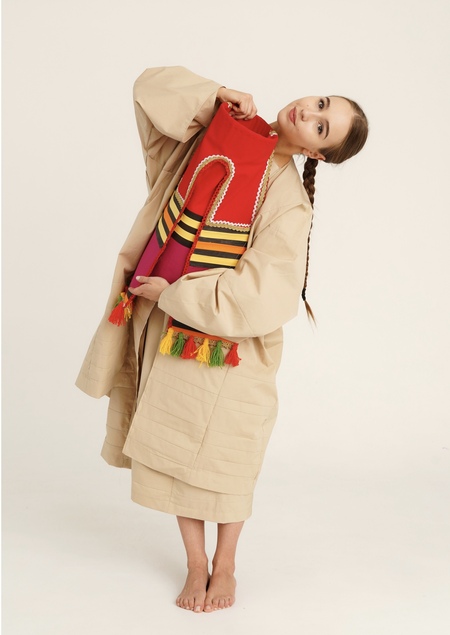
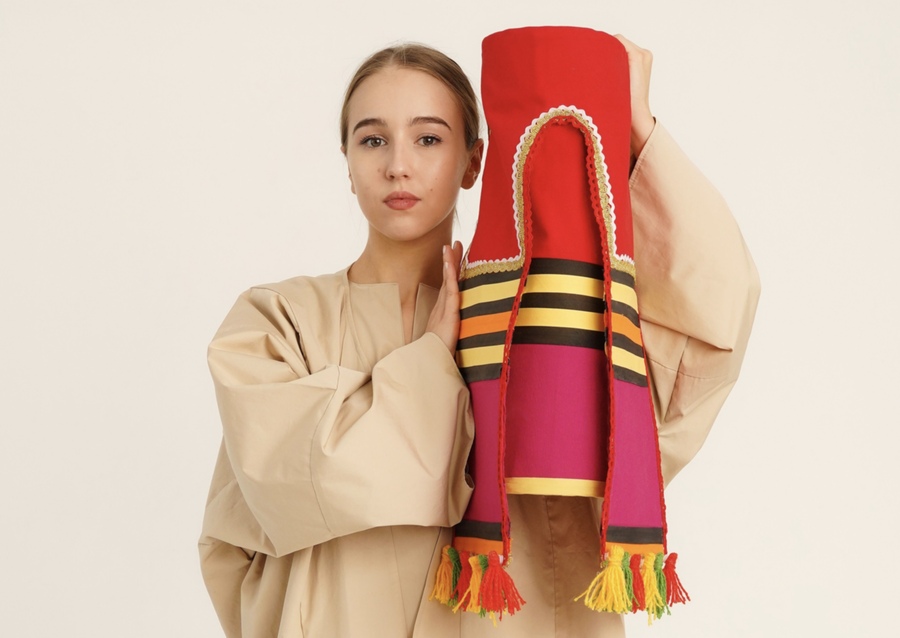
The historical component of the project focused on researching the festive costume of unmarried women from the village of Bolshaya Izhmora in the Penza Governorate, and creating life-sized replicas of the traditional wreath, blouse, and tsuprun. The research included trips to museums in Penza to study authentic costume artifacts. Based on historical sources, characteristic shapes, cutting details, ornaments, and decorative elements were recreated. Special attention was paid to the maiden’s wreath—a headpiece that signified the woman’s unmarried status and was replaced upon marriage.
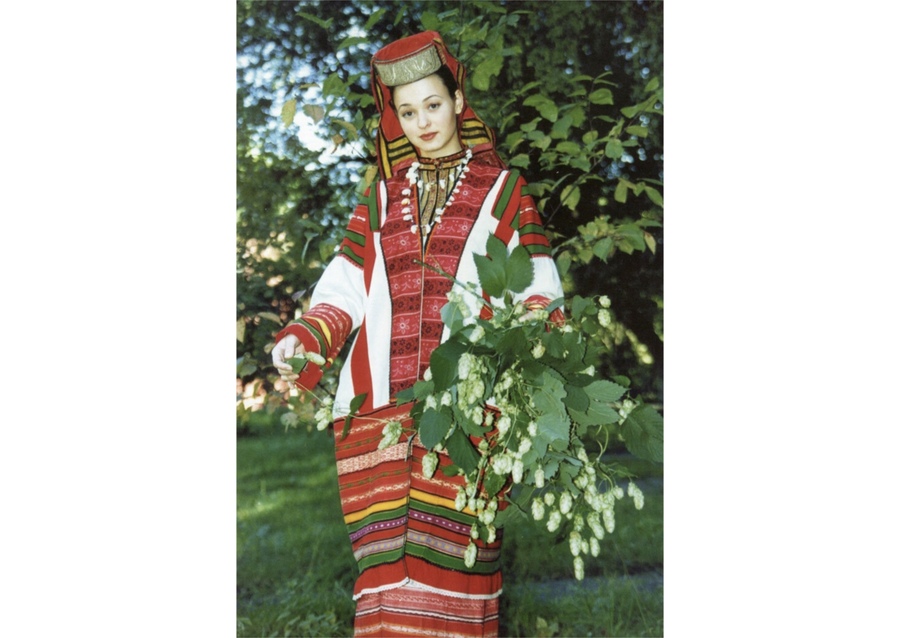
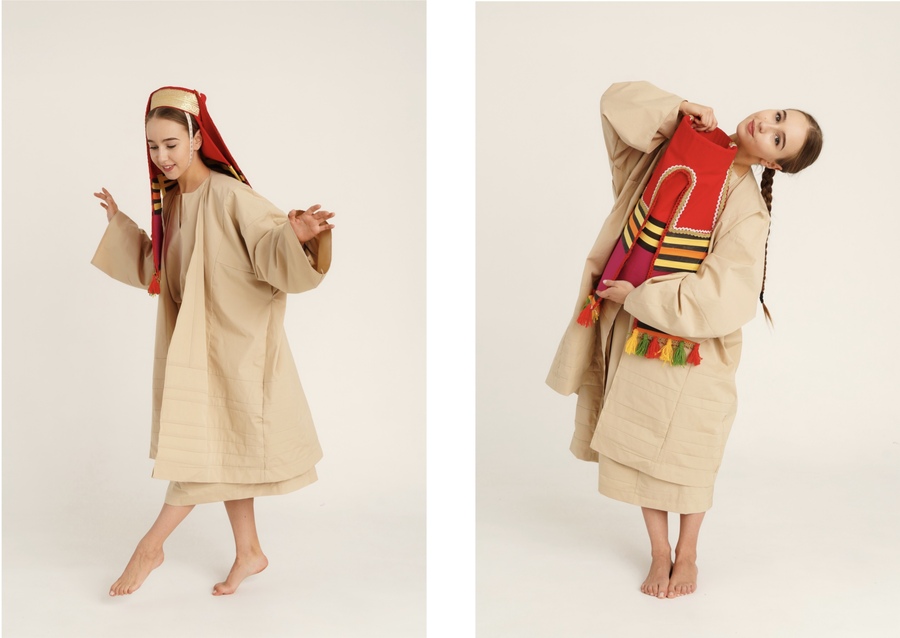
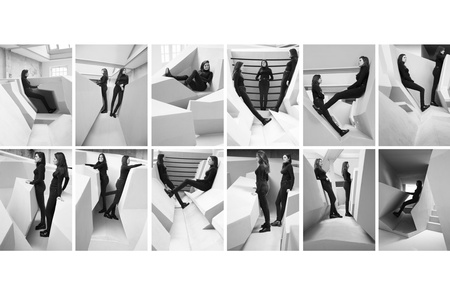
The contemporary portion of the project reinterprets the maiden’s wreath as a symbol of freedom of choice and independence from societal expectations. In traditional culture, the wreath denoted a woman’s unmarried status and was replaced upon marriage. Today, women still face societal pressures regarding marriage and aging. Within the fashion shoot, the historical wreath is paired with modern, everyday attire, creating a contrast between the past and the present. While retaining its original form, the headdress acquires a new significance: the right to autonomously define one’s life, age boundaries, and social role.