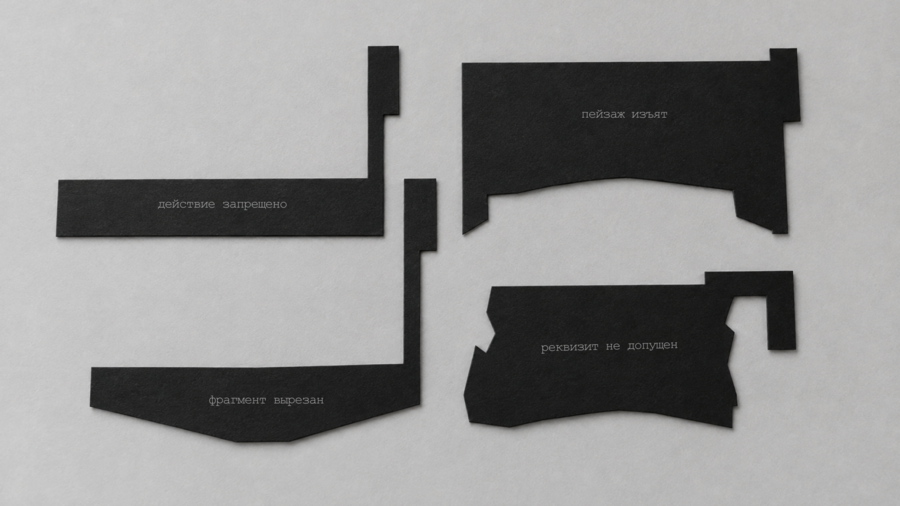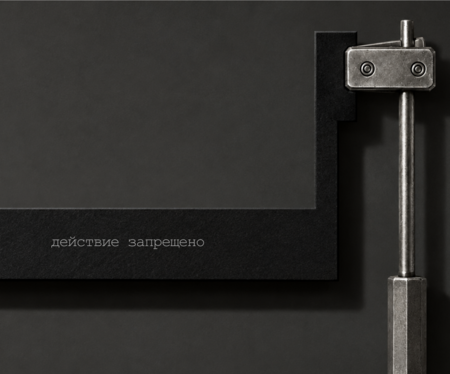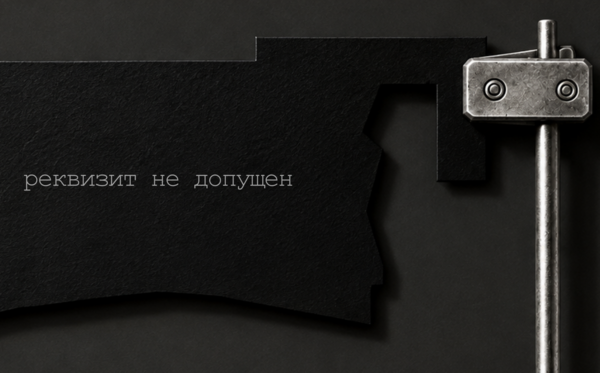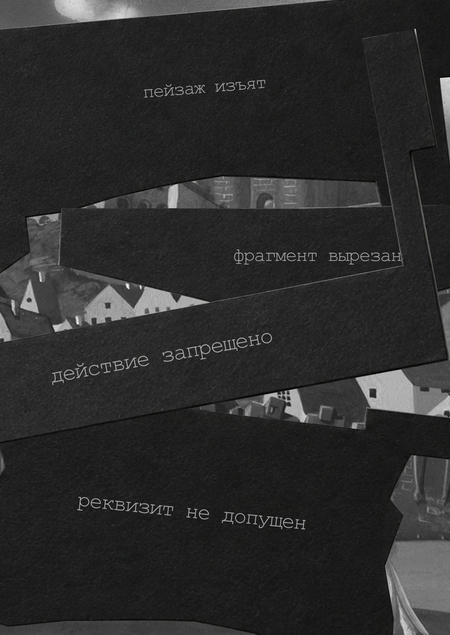
During the era of repression, all theatrical productions were heavily controlled by the authorities: controversial scenes were cut, and there were numerous bans that authors attempted to circumvent. In this climate, the audience became the sole creator of meaning—only in their own minds could ideas flourish that could not be spoken aloud.
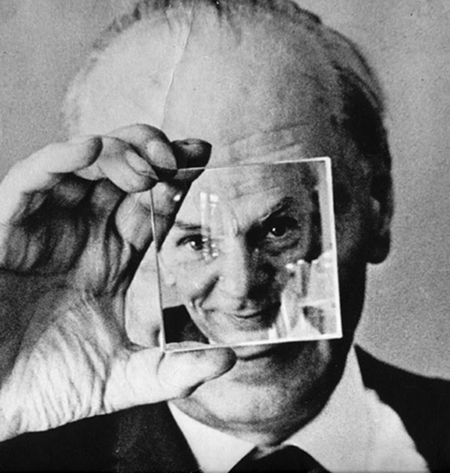
Nikolai Akimov — theater director and set designer — chief director and artist of the Leningrad Theater of Comedy (Lensovet Theater)He directly clashed with censorship, striving not just to fix his works, but to circumvent restrictions: this is how many techniques emerged in his productions, including scene deconstruction, Aesopian language, and a return to theatrical grotesque.
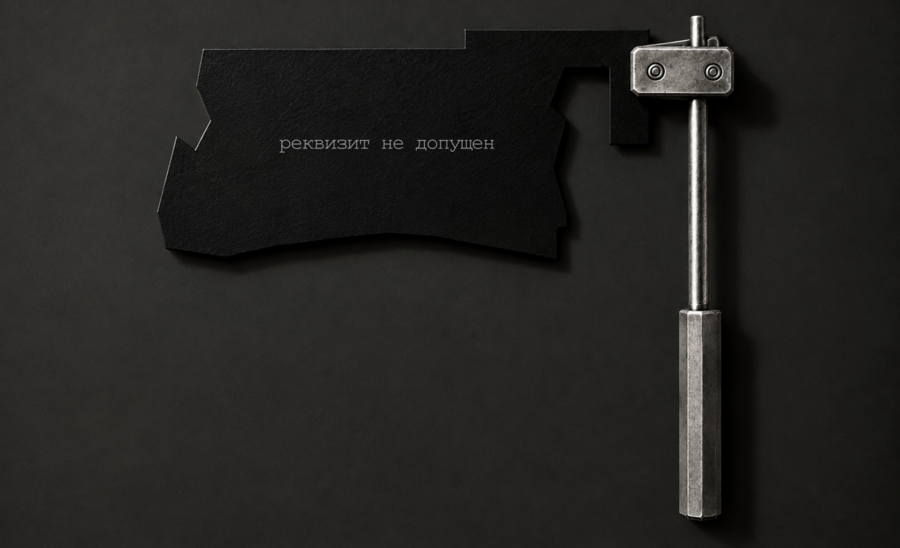
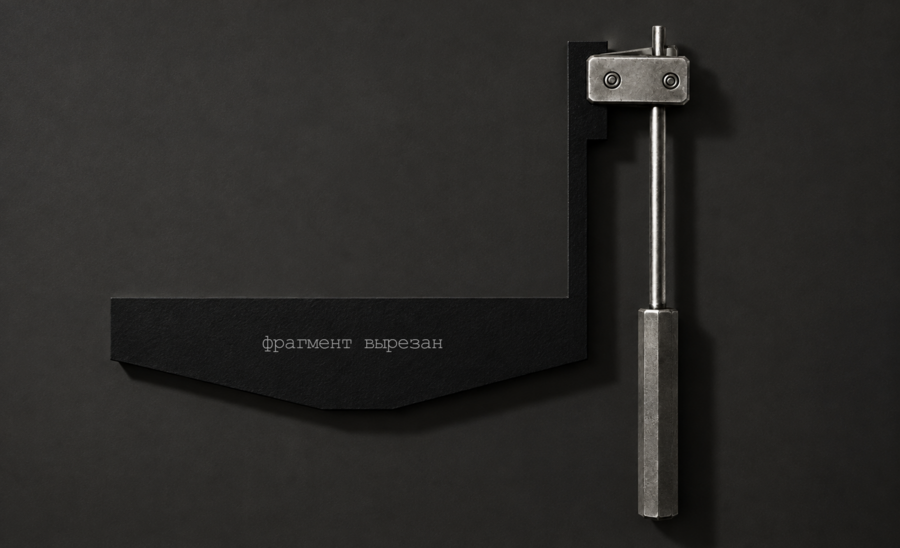
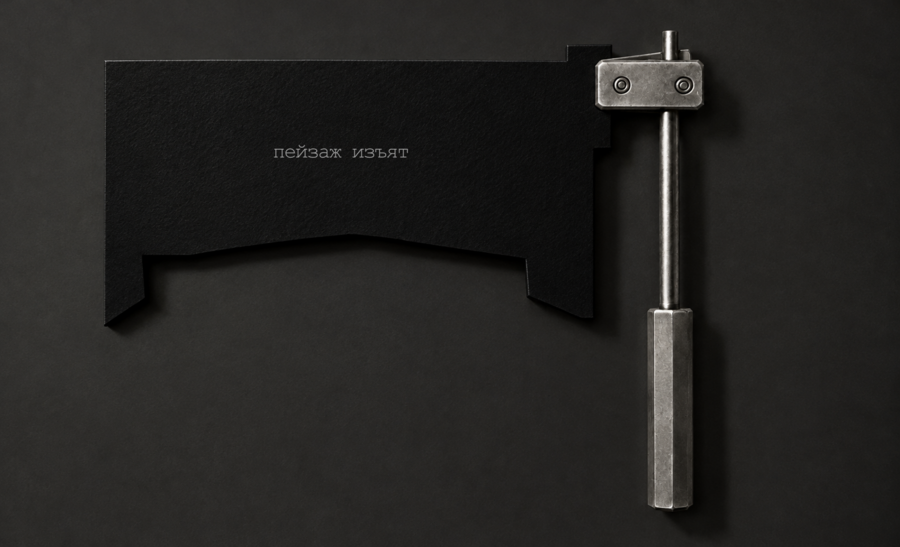
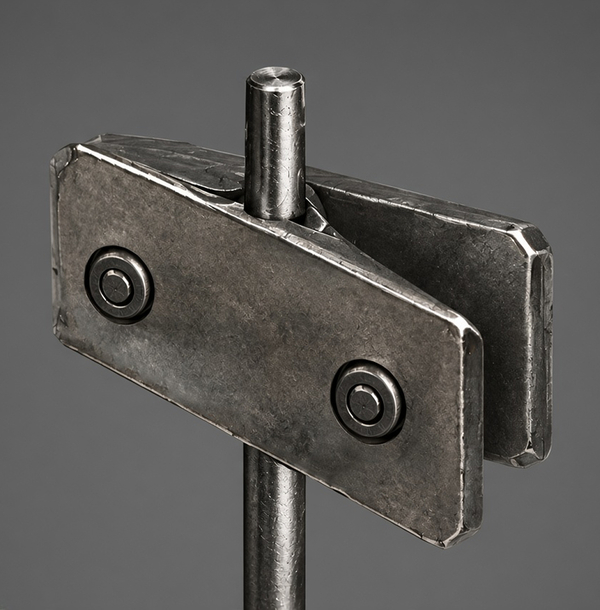
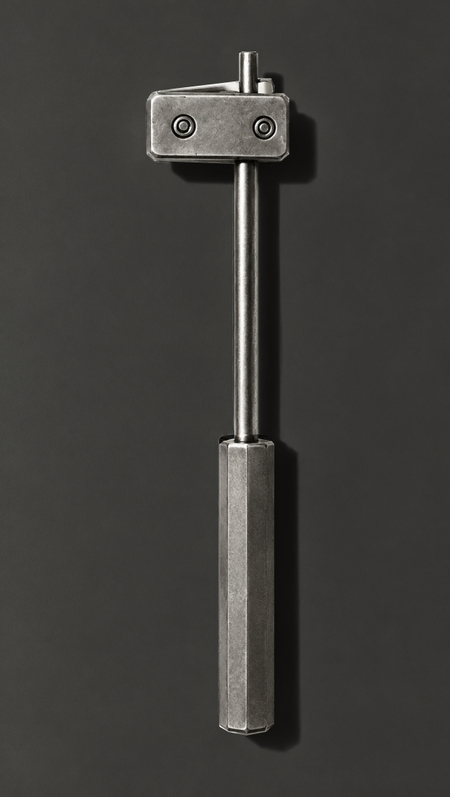
A theatrical monocle primarily serves to allow the audience to see the action on stage more clearly. But what if we look at it as an object through which the viewer can form meaning and create their own interpretation of the performance? A monocle of censorship is a souvenir item that allows the viewer to choose for themselves which parts of the show to watch and where to focus their attention.
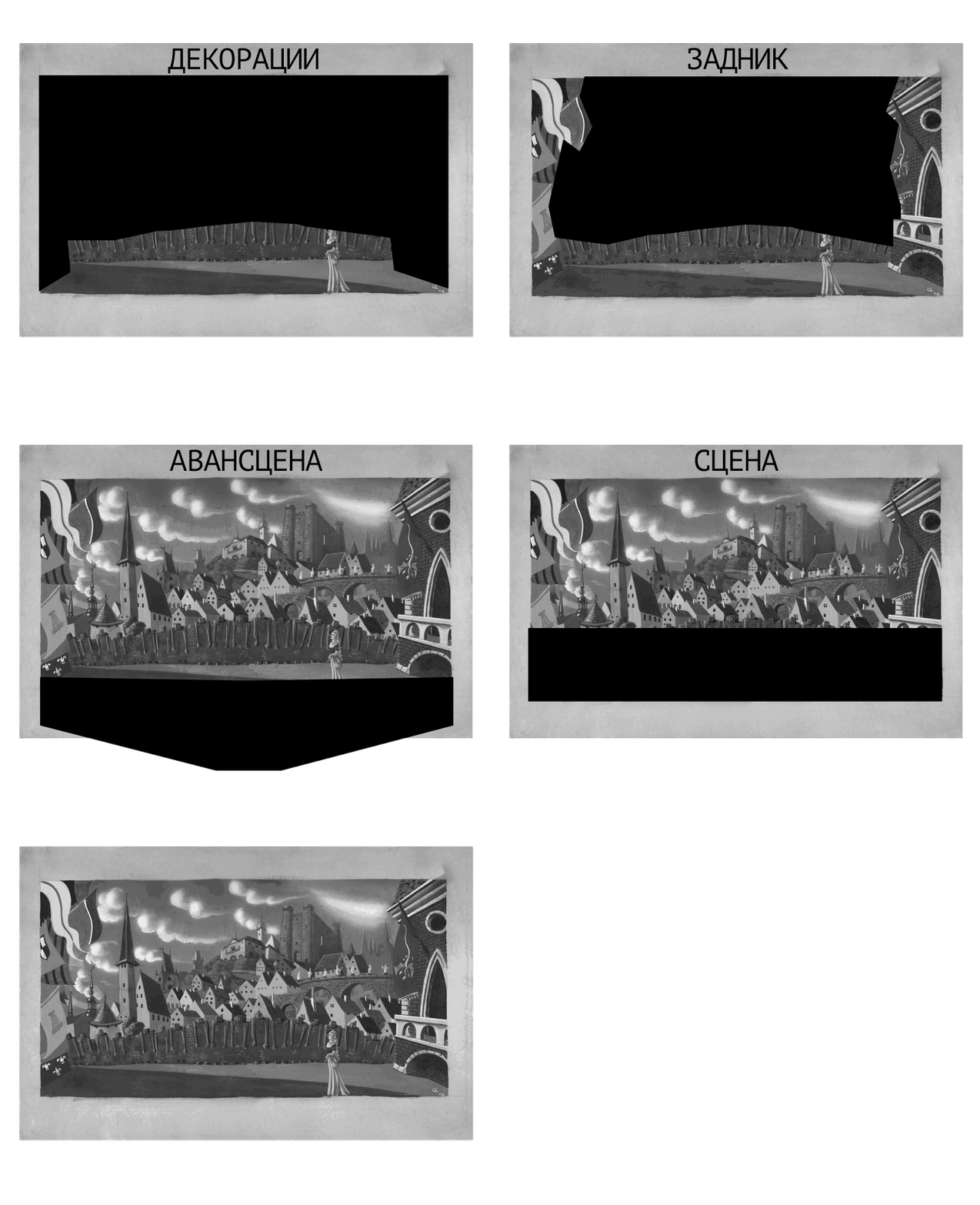
Akimov’s set design sketch for the performance «The Dragon»