
Introduction: brand description, positioning and target audience

Kinopoisk Logo
Kinopoisk is the largest Russian online platform for movies and TV series, combining streaming, an encyclopedia, and media. But today, it positions itself not just as a «film database» or «viewing service,» but as a cultural guide and conversation partner that helps people navigate the world of entertainment and feel «in the know.»
The brand’s core promise is not simply to provide access to content, but to make choosing a film meaningful and enjoyable. Kinopoisk moves away from a purely functional category («we have lots of movies») toward an emotional one: expertise, trust, recognition, and ease.
Kinopoisk slogan
In its communication, Kinopoisk balances expertise and accessibility. On one hand, it relies on its long-standing reputation as the main film critic of the Russian internet: ratings, reviews, film cards that everyone knows. On the other hand, it speaks the language of modern internet culture — using memes, irony, trends, and jokes that resonate with Gen Z. This creates a feeling that the brand is not preaching «from above» about high art, but exists within the same cultural reality as its viewers.
The target audience is broad but has clear segments:
Film enthusiasts— those who write reviews, argue about ratings, follow new releases, and watch arthouse cinema. For them, Kinopoisk is a bible and a temple.
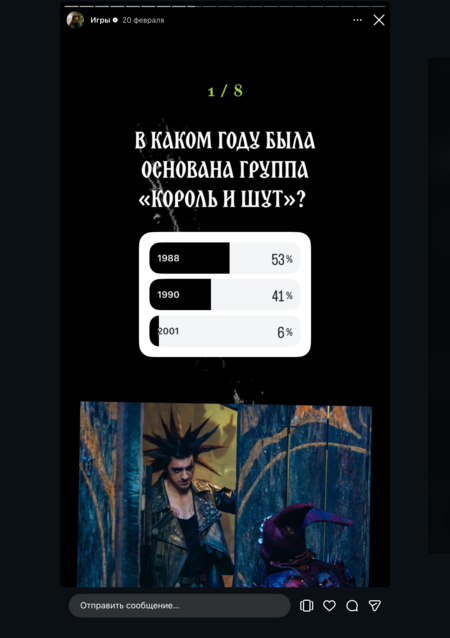
Gen Z and younger audience (16–24) — they live on TikTok and Telegram, watch shorts, create memes about series (like The King and the Jester or Monastery), and want to talk about film lightly, without pretension.
Family viewers — looking for safe content to watch together (cartoons, family comedies). For them, Kinopoisk is a clear and reliable choice.
Yandex Plus subscribers— those who already have a Kinopoisk subscription as part of a bundle with music, taxi, and delivery. For them, it’s part of their everyday digital routine, something they don’t need to think twice about
Communication channels
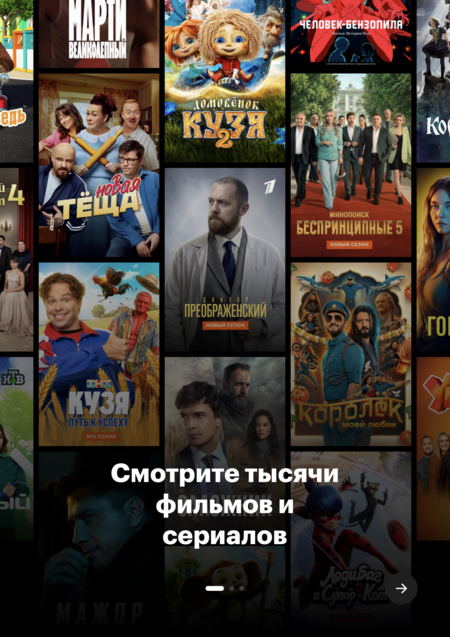
Kinopoisk follows an omnichannel structure where key channels complement rather than duplicate each other.
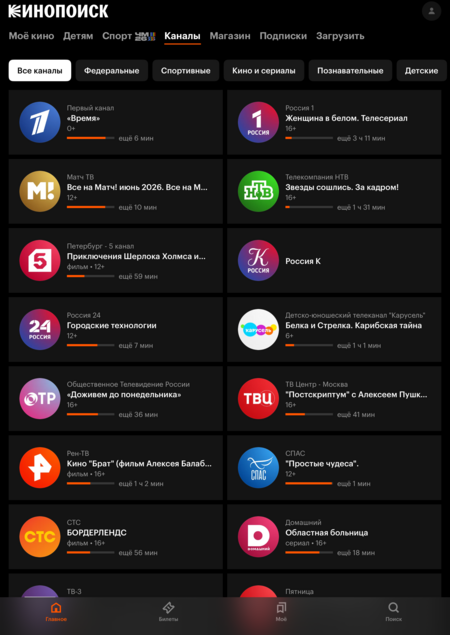
The primary digital channel is the website and mobile app. This is the «home» of the brand: catalogue, player, ratings, reviews, personalized recommendations, and exclusive content. Here, all the rational viewer questions are answered («what to watch tonight?», «what’s the rating of the new film?», «where can I find this series?»).
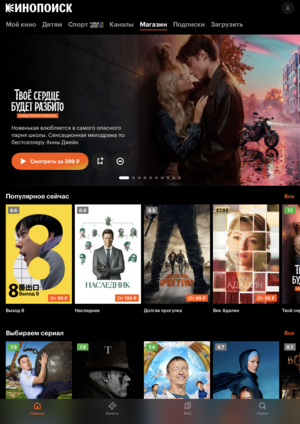
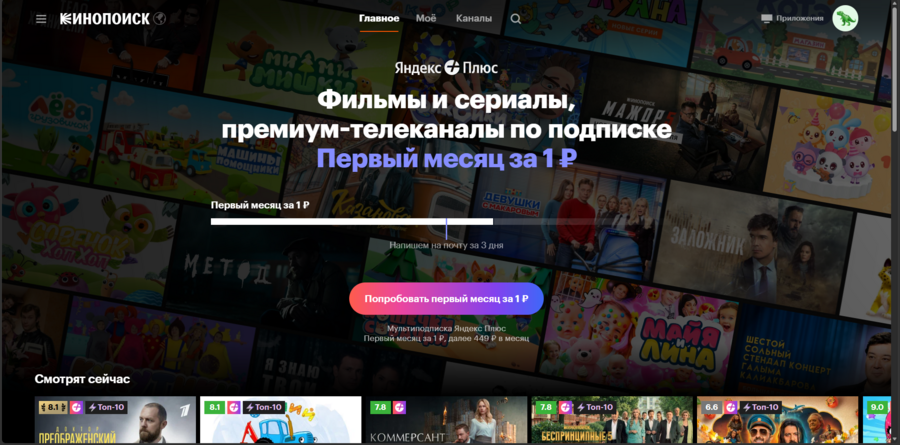
Social media plays a different role. It gives the brand a public voice, creates occasions for discussion, and turns functional streaming into a recognizable cultural phenomenon.
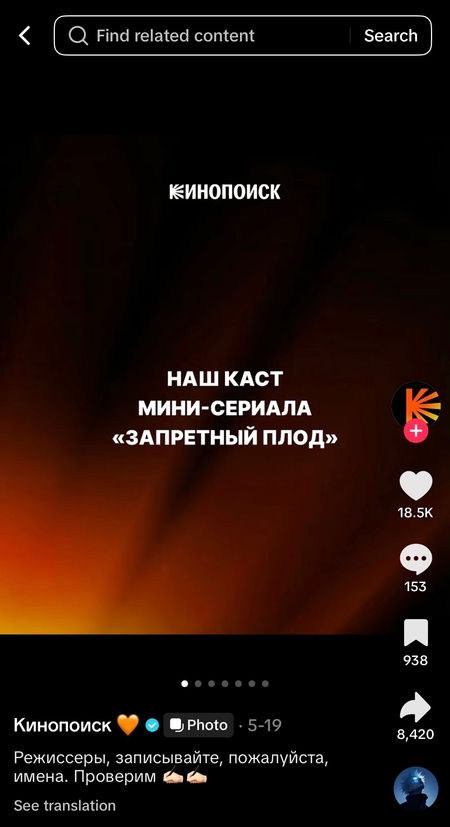
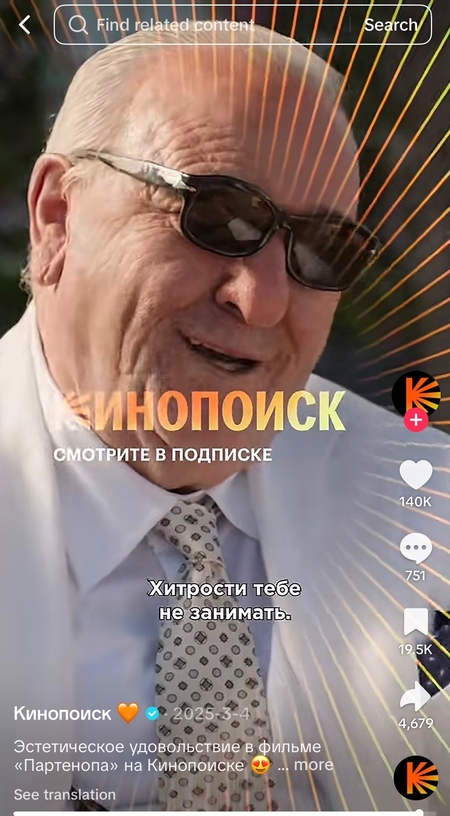
Kinopoisk’s Telegram channel is ironic, fast, and intelligent. Reactions to news, memes about newly released series, curated lists, and rare interviews. The tone is «that friend who really knows cinema.» TikTok is a separate story. Kinopoisk was one of the first legal services in Russia to win over this audience (millions of followers). The strategy: no direct advertising. Only native videos, film clips set to trending sounds, jokes about characters, and viral formats. For major premieres like The King and the Jester or Unprincipled, separate accounts are created to avoid mixing different fan communities.
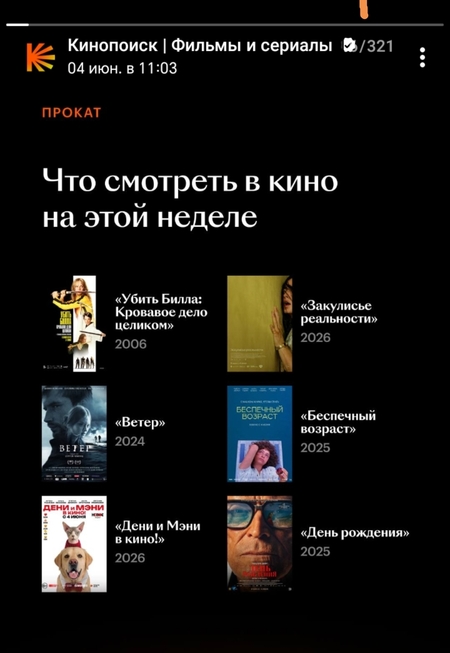
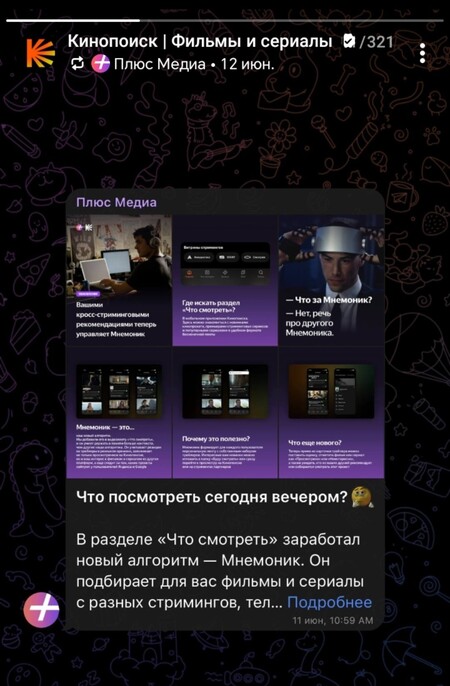
TikTok is a separate story. Kinopoisk was one of the first legal services in Russia to win over this audience (millions of followers). The strategy: no direct advertising. Only native videos, film clips set to trending sounds, jokes about characters, and viral formats. For major premieres like The King and the Jester or Unprincipled, separate accounts are created to avoid mixing different fan communities.
PR and special projects form the third layer.Their task is to create newsworthy events and attach the emotion of cultural significance to the brand.
Promoting original series through PR-journalism. Before the release of the series Games (about the 1980 Olympics), Kinopoisk ran a total media saturation campaign: interviews, behind-the-scenes documentaries, collaborations with bloggers. The result — over a million viewers in the first few days.
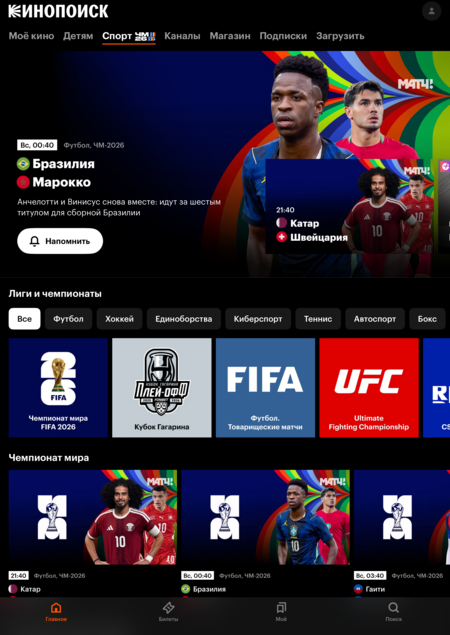
Sports marketing as an unexpected move. Kinopoisk started broadcasting KHL hockey matches. This not only attracted a new audience but also created a news story: «a streaming service showed hockey.» The brand became associated not only with archives but also with live events.
Theoretical framework
For analysis of Kinopoisk will be used the Affordances theory, particularly social media affordances, in which they are defined as «clues to the ways that people understand and negotiate technology in everyday life”[1]. The theory explains how specific technological features of social media platforms create opportunities for interaction between organizations and users. Three key affordances are especially important in this context: persistent, customized and triggered engagement. Together, these three affordances help explain how Kinopoisk uses its platform as a social media not only to distribute information but also to build long-term relationships with users, encourage participation, and foster a community centered on film and entertainment.
Analysis
Social media is defined by Kaplan and Haenlein as an internet-based application that allows creation and exchange of user-generated content [2]. According to this definition, Kinopoisk platform can be considered a social media because it encourages users to create and exchange content. It reflects in public ratings, reviews, user profiles, and film collections, which allow users to express their tastes and build a public identity as movie viewers. So in this research it will be included in the social media channels Kinopoisk uses.
According to the affordances theory, social media platforms offer specific affordances that shape the way organizations interact with users. The first one is persistent engagement. Kinopoisk demonstrates it by maintaining a continuous presence in users' digital environments. Kinopoisk regularly publishes content on different social media, including film reviews, recommendations, trailers, industry news, memes and other types of content. This constant flow encourages repeated interactions and keeps the brand relevant even when users are not actively searching for films or series. As a result, engagement becomes an ongoing process rather than a series of isolated transactions. Moreover, on the Kinopoisk platform user-generated content remains accessible over time. Because reviews are stored and continuously available, users perceive their contributions as meaningful and lasting. This persistence encourages participation by giving users the sense that their opinions have long-term value and influence other users’ decisions.

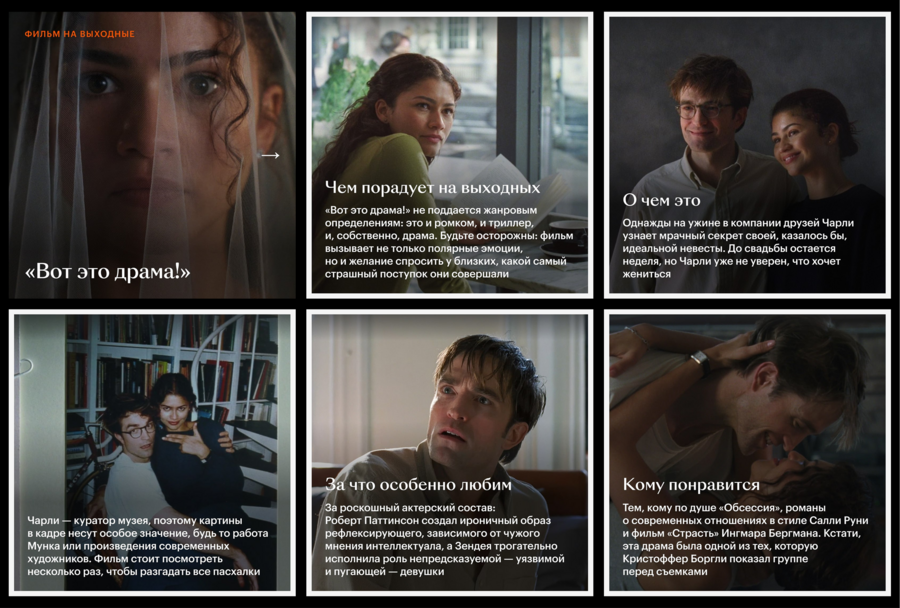
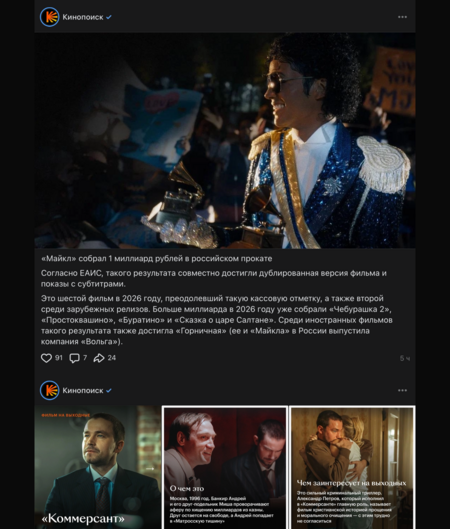
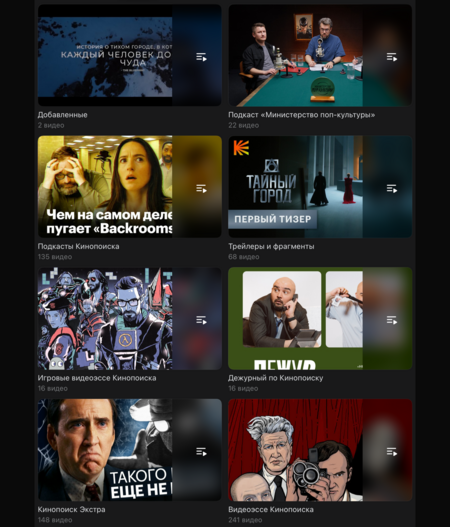
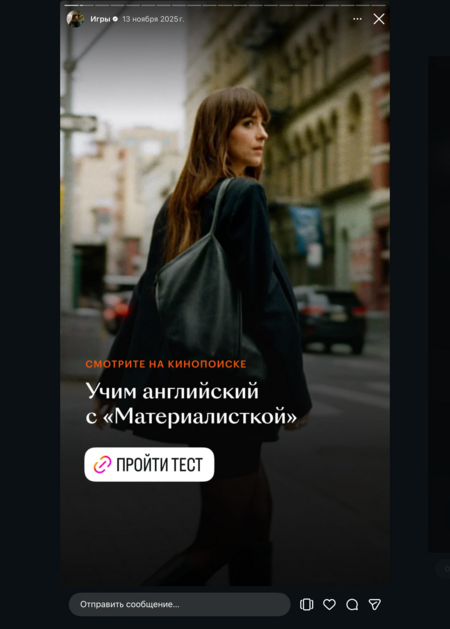
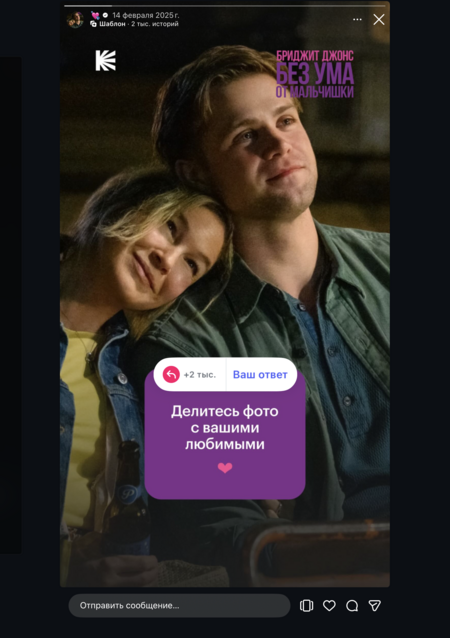
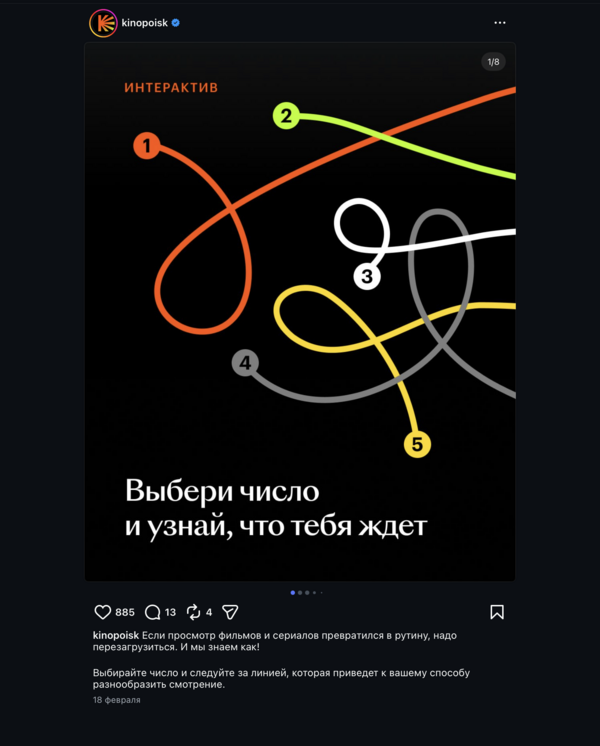
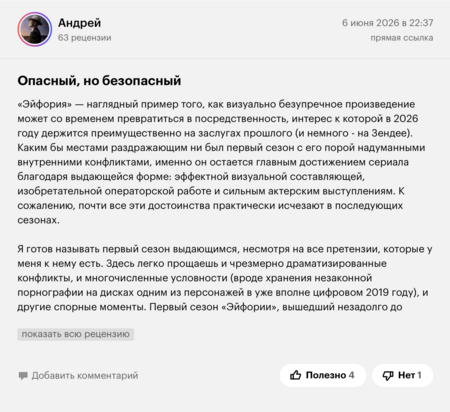
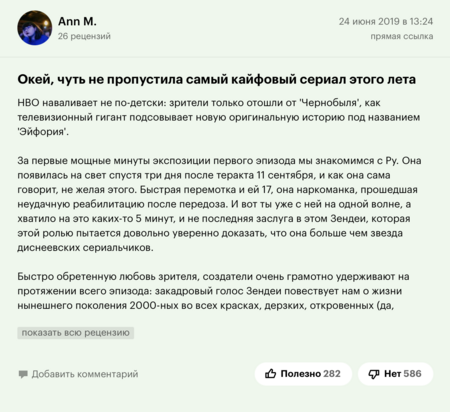
The second one is customized engagement, which Kinopoisk also uses through content that addresses different audience interests and viewing preferences. The platform publishes materials related to various genres, new releases, popular franchises, allowing different audience segments to find content that matches their tastes. In addition, user ratings, watchlists, and recommendation systems contribute to a more personalized experience. This affordance helps Kinopoisk create communication that feels relevant and tailored to individual users, increasing the likelihood of interaction and continued platform usage.