- The Genesis and Evolution of Coca-Cola Advertising 1.1. The Creation of Coca-Cola and Early Promotion Stages 1.2. Shaping the Recognizable Brand Image2. The Evolution of Coca-Cola’s Visual Identity 2.1. Development of the Logo and Corporate Style 2.2. Evolution of Packaging and the Role of Signature Colors3. Advertising Campaigns of the 20th Century 3.1. Advertising from the 1920s–1950s and the Santa Claus Persona 3.2. Television and Music Advertising from the 1960s–1970s4. Coca-Cola’s Emotional Image in Advertising 4.1. Themes of Joy, Friendship, Family, and Unity 4.2. Music, Celebrities, and Festive Imagery5. Coca-Cola in the International Advertising Market 5.1. Entering the Global Market and Advertising Adaptation 5.2. Sponsorship of Sports and Cultural Events6. Contemporary Coca-Cola Advertising 6.1. Transition to Digital Communications and Social Media 6.2. Modern Advertising Campaigns and Brand Image Preservation7. Conclusion8. Bibliography
Introduction
Coca-Cola’s advertising began to evolve concurrently with the beverage’s introduction in 1886. The initial advertisements introduced the new drink and captured consumer attention. Over time, the company gradually adopted various promotional methods: newspaper ads, coupons, calendars, posters, and other marketing materials.
As time progressed, Coca-Cola’s advertising changed alongside the development of mass media and graphic design. The brand’s imagery, typography, design aesthetics, and methods of audience engagement all shifted. Nevertheless, the signature elements of the brand maintained their recognizability and continued to be employed across diverse advertising formats.
This study examines the history of Coca-Cola advertising, from the first advertisements in the late 19th century to contemporary campaigns. Particular attention is given to the evolution of visual style, advertising imagery, and communication methods, as well as the influence of advertising on the formation of the brand’s recognizable identity.
The Genesis and Evolution of Coca-Cola Advertising
1.1. The Creation of Coca-Cola and Early Promotion Stages
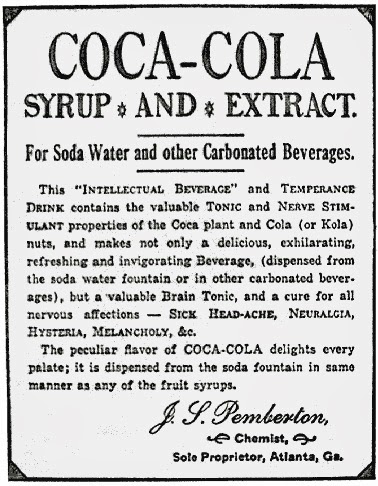
The history of Coca-Cola began on May 8, 1886, in Atlanta, Georgia. The beverage was created by pharmacist John S. Pemberton. It was first sold at Jacobs’ Pharmacy. In the first year, sales amounted to approximately nine servings per day.The name Coca-Cola was invented by the company’s accountant, Frank Robinson. He also created the inscription that later became the brand’s logo. A Spencerian script font, which was popular in business correspondence at the time, was used for it. Robinson believed that two «C» letters would look good in advertisements. Even then, the name and its typography became important elements of the drink’s visual identity.
Coca-Cola’s first advertisements appeared in newspapers, describing the beverage as «delicious and refreshing.»
In 1887, the company began using promotional coupons that offered consumers a chance to sample the drink. Later, calendars and other print materials started appearing in their marketing efforts.
1887 — First advertising coupons
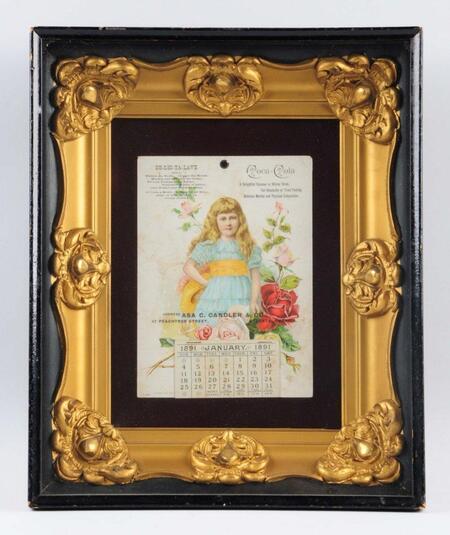
In 1892, Asa Candler officially incorporated The Coca-Cola Company as a Georgia corporation. A budget of $11,000 was allocated for advertising. The following year, the Coca-Cola script, rendered in Spencerian script, was registered as a trademark.Thus, the early years of Coca-Cola’s development marked the beginning of the formation of its advertising image. These events laid the foundation for the company’s future growth and its advertising endeavors.
1.2. Building a Recognizable Brand Identity
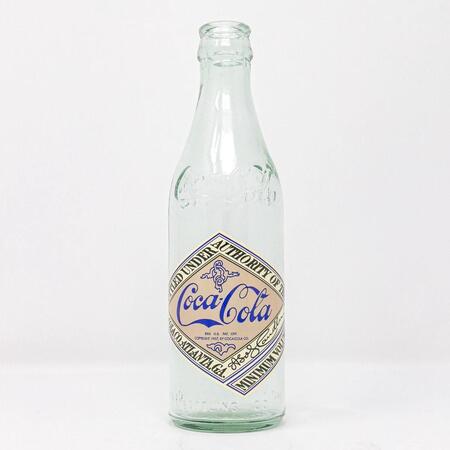
As Coca-Cola evolved, it became crucial not just to advertise the beverage itself, but to create its recognizable image. To achieve this, brand elements gradually began appearing on various promotional and commercial materials. As a result, consumers could identify the brand not only by its name but also by its visual presentation.In 1907, a diamond-shaped paper label was introduced for the bottles. This helped make the product more noticeable and distinct from other drinks.
A crucial step was the creation of a distinctive bottle shape. As Coca-Cola’s popularity grew in the market, competing beverages emerged that attempted to mimic its names and design. Therefore, the company needed packaging that could be easily distinguished from the others.In 1915, Alexander Samuelson from the Root Glass Company developed the characteristic bottle shape, which was patented that same year.By 1916, it was used in broader production. Its unusual silhouette was intended to allow the bottle to be recognizable even by touch or from fragments.
Development of the Coca-Cola bottle’s corporate form, 1915.
The Evolution of the Coca-Cola Visual Image
2.1. Logo and Brand Identity Development
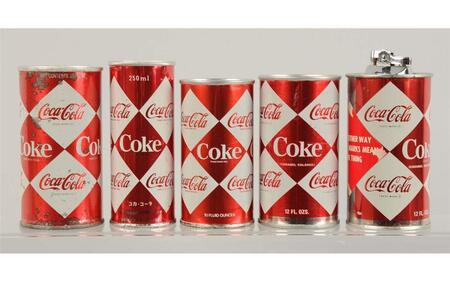
The Coca-Cola logo has remained one of the company’s primary visual identifiers for many years. Its distinctive script maintained brand recognition even as advertising formats changed and new media emerged.A significant phase in the development of the corporate identity occurred in the mid-20th century. In 1945, the word «Coke» was registered as the company’s trademark. This solidified the use of the abbreviated name, which was already familiar to consumers.
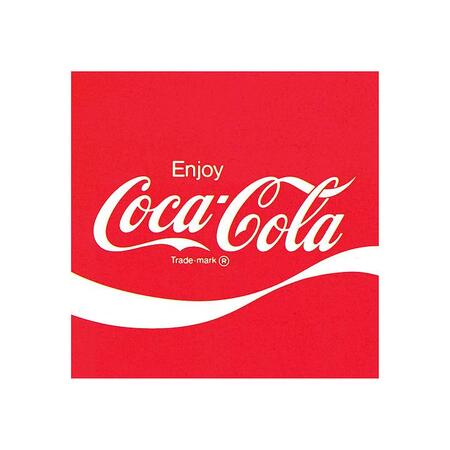
In 1969, Coca-Cola introduced a new graphic design based on the combination of red and white colors and an updated logo usage. The following year, the company began widely implementing the Dynamic Ribbon Device—a curved ribbon inspired by the silhouette of the contour bottle. This element became an additional component of the corporate identity and was used in advertising materials and packaging.
Coca-Cola’s brand style evolved not only through changes to its logo but also with the introduction of supplementary graphic elements. Throughout this process, the company maintained a connection to its already recognizable logotype, gradually adapting it to new advertising formats.
2.2. Packaging Development and the Role of Brand Colors
A significant turning point came in 1955 with the introduction of larger-volume bottles to the American market. In addition to the standard 6.5-ounce bottle, consumers gained access to options in 10, 12, 16, and 26-ounce sizes. This allowed the beverage to be offered in various volumes, making the packaging far more diverse.
Coca-Cola advertisement poster featuring King Size bottles, 1955.
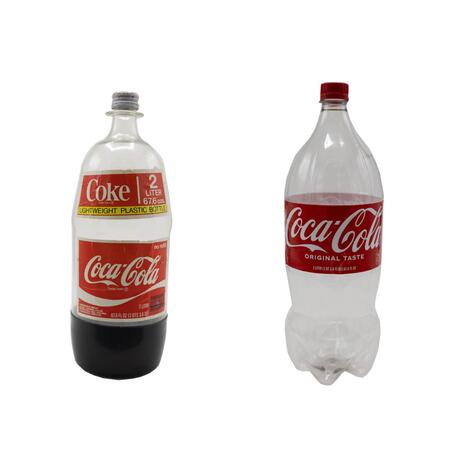
In the following decades, the company continued to experiment with packaging materials and forms. In 1968, a disposable version of the Contour bottle was introduced. In 2005, Coca-Cola launched an aluminum bottle that preserved the brand’s characteristic silhouette. In 2007, the assortment was expanded with the 20-ounce PET GRIP plastic bottle. And in 2009, the company introduced a two-liter packaging featuring elements of the Contour shape, as well as the PlantBottle, a plastic bottle partially made from plant-derived materials.
XX Century Advertising Campaigns
3.1. Advertising from the 1920s–1950s and the Santa Claus Image
During the 1920s–1950s, Coca-Cola actively expanded its advertising efforts by utilizing various mass media. In the 1920s, the company began placing outdoor advertisements on billboards, and in 1927, it launched its first sponsored radio program—"Vivian the Coca-Cola Girl.» Print advertisements, posters, and advertising calendars were also used during this period. One of the well-known slogans of that era became the phrase «The Pause That Refreshes,» which connected the beverage with relaxation and everyday moments.
The Christmas theme holds a special place in the company’s advertising history.
In the 1920s, Coca-Cola began using holiday advertising, aiming to support beverage sales during the winter months. Initially, various depictions of Santa Claus appeared in promotional materials, but in 1931, the company collaborated with illustrator Haddon Sundblom, who created the character’s iconic image.
His Santa was portrayed as a jolly, smiling man with a white beard and a red suit.
Coca-Cola Christmas advertisement, 1931 — illustration by Heddon Sandblom
From 1931 to 1964, Sandblom regularly created illustrations of Santa Claus for Coca-Cola’s Christmas advertising campaigns.
These images achieved widespread recognition and helped cement the familiar image of the holiday character in popular culture.
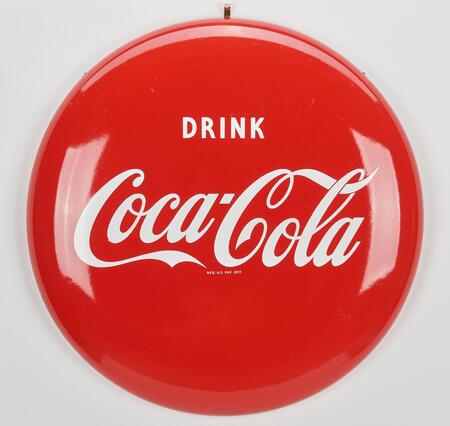
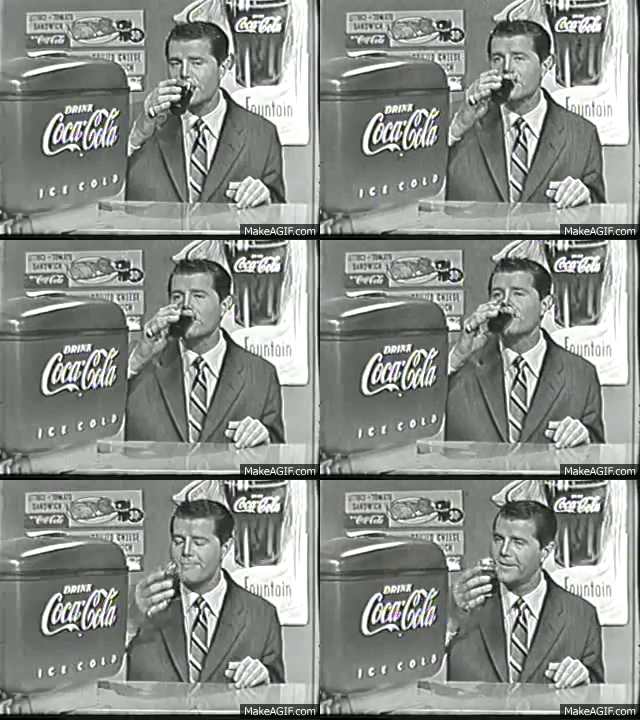
During the 1940s and 1950s, Coca-Cola continued to expand its advertising formats.In 1946, the «Yes» poster, illustrated by Sandblom, was released, and in 1947, metal advertising signs in the shape of a red circle appeared.In 1950, the company first featured beverage advertising on television—during a CBS holiday program featuring Ed Bergen and Charlie McCarthy. This marked the beginning of a new era in the brand’s advertising endeavors.