Introduction
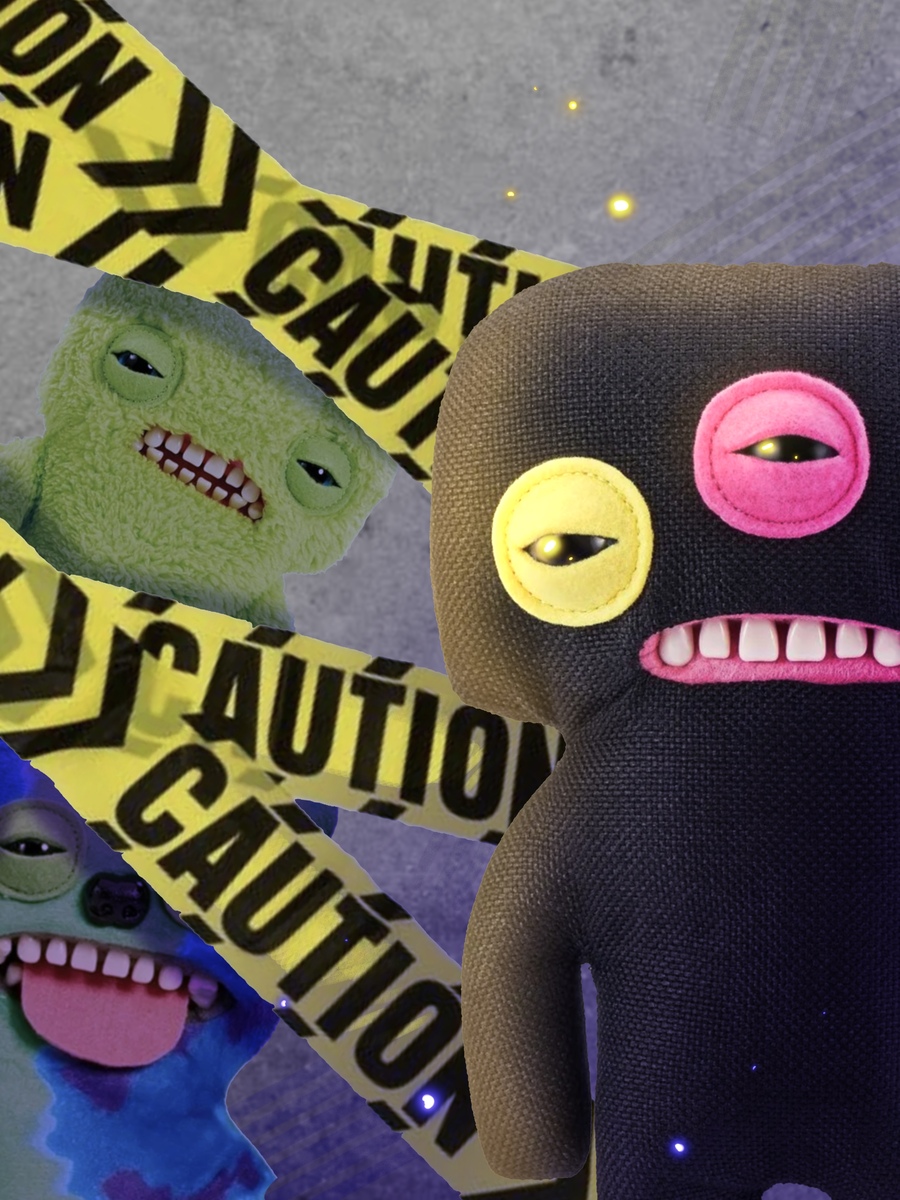
Fuggler is a brand of collectible toys based on the unusual idea of «funny ugly monsters» — funny and deliberately ugly creatures. Unlike classic plush toys, which are usually built around cuteness, softness, and safety, Fuggler uses the opposite strategy: its characters look strange, slightly frightening, and absurd, but this is exactly what makes them memorable. The brand’s main visual features are large eyes, grotesque faces, and human-like teeth, which create an effect that is both repulsive and comical. According to the brand’s history, the idea of Fugglers appeared in 2010, and the brand later developed through Spin Master, Addo Play, and then ZURU, which took over the further development and global promotion of the toys.
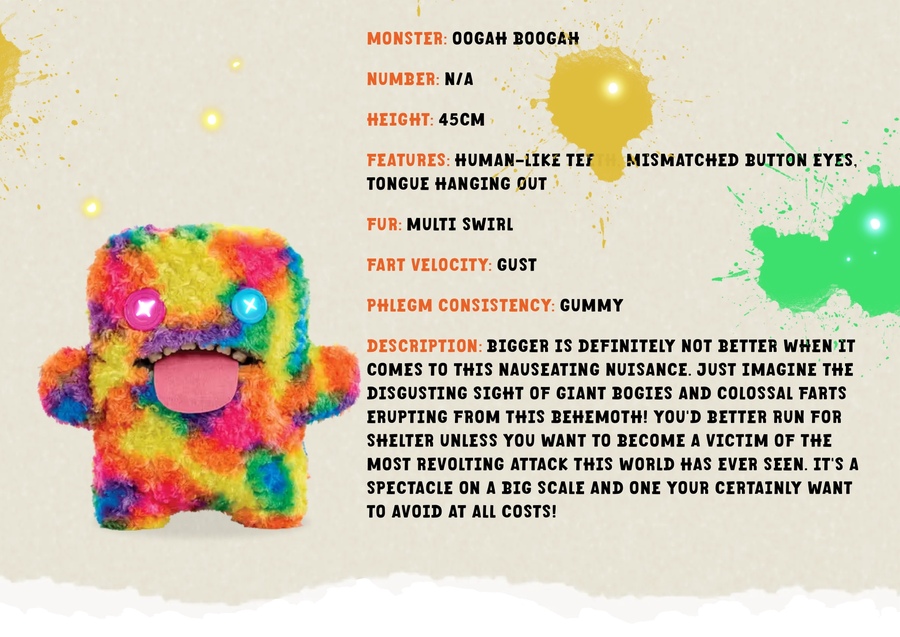
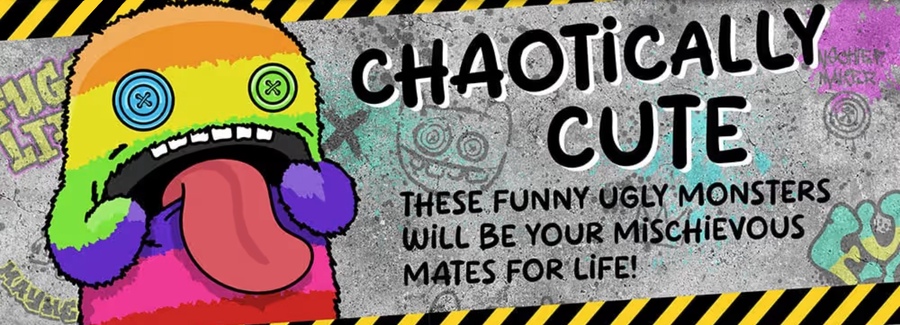
In terms of positioning, Fuggler can be described as an anti-cute brand in the plush toy category. It does not try to be an «ideal» children’s toy; instead, it builds its identity around chaos, humor, weirdness, and collectability. The brand’s communication often uses an exaggerated, bold, and absurd tone. Fugglers are presented not as cute friends, but as «naughty, ” „strange, ” and „dangerously funny“ creatures that seem to break the usual rules of the toy market. On ZURU’s official page, for example, the collections are described through images of chaos, nighttime adventures, strange behavior, and „delightfully uncomfortable weirdos, ” which strengthens the brand’s comedic and provocative character.
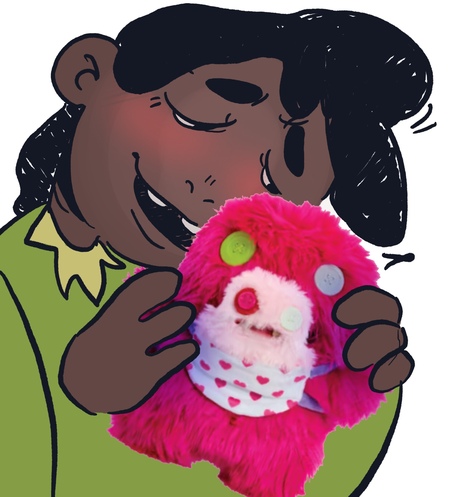
Fuggler’s target audience is quite broad, but it can be divided into several groups. The first group includes children and teenagers who like unusual, funny, and slightly «scary» characters. The second group consists of adult collectors and «kidults, ” meaning adult consumers who buy toys not only for children but also for themselves. For them, Fuggler functions as an object of collecting, self-irony, and individual self-expression. The third group includes social media users who value the product’s visual uniqueness: Fugglers are well suited for memes, short videos, unboxings, and viral content because their appearance creates a quick emotional reaction.
To analyze the brand’s communication, it is important to consider that Fuggler creates meaning not only through the product itself, but also through symbols, visual codes, and context. In the course notes, communication is defined as a process of creating and interpreting meanings through messages, symbols, and context; this is especially relevant to Fuggler because the brand literally creates its meaning through visual weirdness, humor, and audience reaction. Therefore, Fuggler can be seen as an example of a brand that turns «ugliness» into a strong communication advantage.
Communication Channels
Fuggler uses several communication channels to build and maintain its public image. The brand’s communication is mainly based on digital platforms, visual content, humor, and fan participation.
The official website is the brand’s main informational channel. It presents the history of Fuggler, its collections, character descriptions, interactive elements, and links for purchasing the products. The website performs both commercial and image-building functions by creating a whole universe around the monsters. The texts are written in a humorous and sarcastic tone of voice, so users perceive the toys as characters with their own personalities and behavior.
Official Fuggler Website
On social media, Fuggler develops this image through visual and entertainment-based content. Instagram is used for photos, short videos, announcements of new collections, and collaborations. Facebook helps share brand news, maintain communication with fans, and promote user-generated content through the hashtag #Fugglers. TikTok is also suitable for Fuggler’s communication because short videos can quickly show the strange appearance of the toys, humor, user reactions, unboxings, and collection reviews. Fan-created content helps the brand spread organically through memes, surprise, and emotional audience reactions.
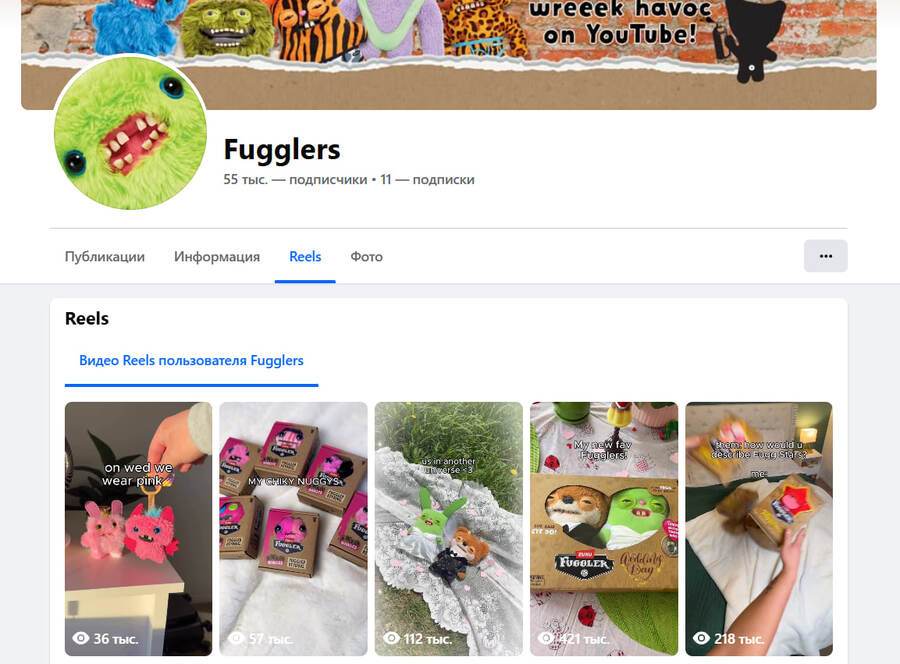
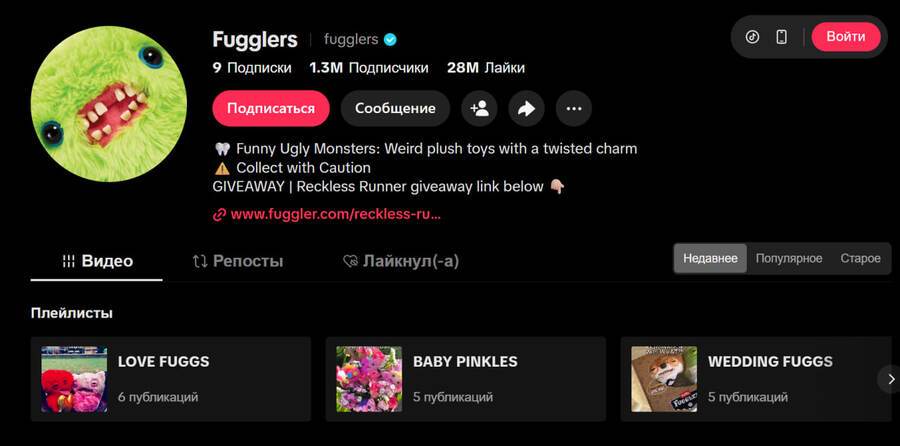
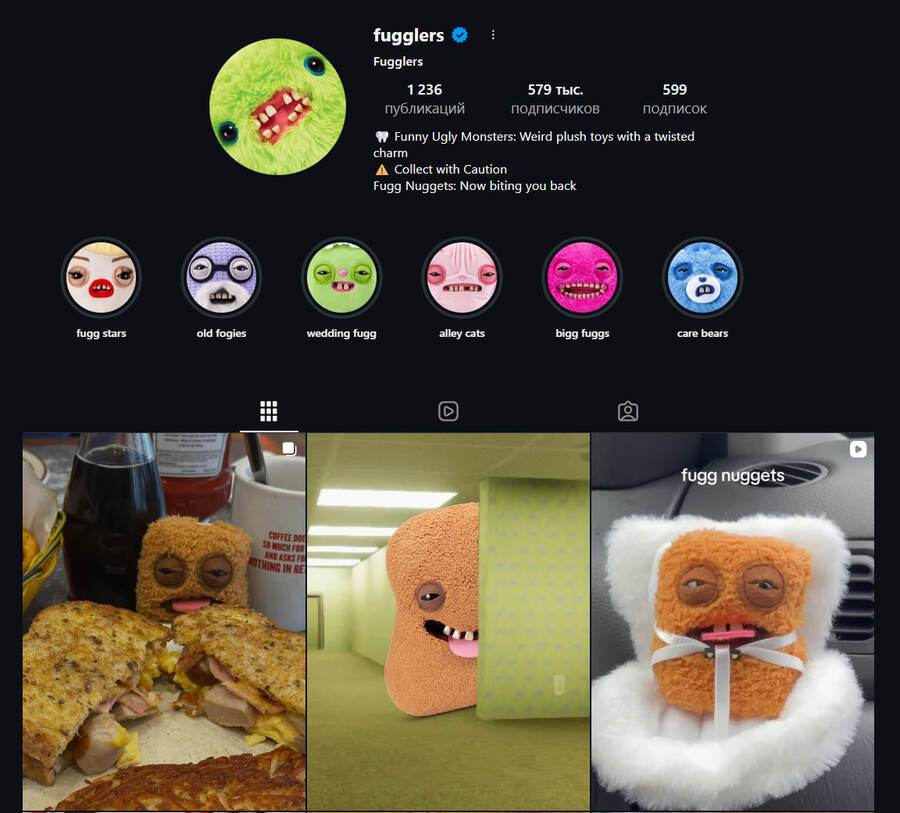
Fuggler TikTok Account/ Fuggler Instagram Page/ Fuggler Facebook Page
Video content plays an important role in the brand’s public field. The official website includes the Fugg TV section, while social media and video platforms feature videos, reviews, unboxings, and reactions to Fugglers. This format matches the brand’s character because it shows the monsters’ appearance and their «personality»: strangeness, comedy, and a sense of chaos.
Fugg TV Section on the Website
Fuggler’s PR strategy is based on turning unusualness into a competitive advantage. The brand uses humor, shock value, collectability, and collaborations with popular franchises to maintain audience interest. Thematic collections connected with Gremlins, DC, SpongeBob SquarePants, Teenage Mutant Ninja Turtles, The Lord of the Rings, and Jaws expand the brand’s audience and make Fugglers attractive to children, collectors, and pop-culture fans.
Fuggler x Jaws Collaboration
Thus, Fuggler’s communication helps promote new collections and maintain audience interest. The brand regularly presents its characters in a visual and humorous format, while fans continue to spread interest in Fugglers through their own content.
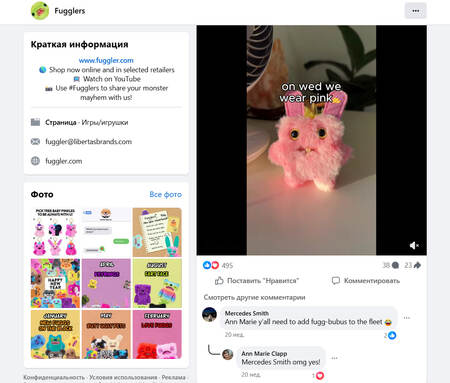
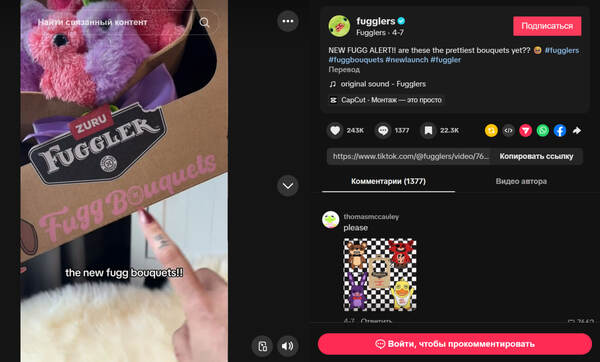
Fuggler Facebook Post with Comments/ Fuggler Tik Tok Post with Comments
Theoretical Framework
In this project, Fuggler’s brand communication will be analyzed through the Elaboration Likelihood Model and the Uses and Gratifications Theory.
The Elaboration Likelihood Model is suitable for analyzing Fuggler because the brand uses communication aimed at quickly attracting attention and creating an emotional reaction. This theory helps explain how a message can influence the audience’s attitude toward a brand. In this project, it will be used to analyze how visual materials, humorous style, and the general presentation of content help the brand generate interest without detailed rational explanation of the product.
The Uses and Gratifications Theory is suitable for analyzing audience interaction with the brand’s content. This theory views the audience as an active side of communication that chooses media content according to its needs and expectations. In this project, it will be used to explain why users continue to follow Fuggler’s posts, react to them, and participate in spreading the brand’s content.
Using these two theories makes it possible to examine Fuggler’s communication from two perspectives. The first theory helps explain how the brand attracts audience attention, while the second shows why the audience continues to interact with its content.
Analysis
Fuggler’s communication can be effectively analyzed through the Elaboration Likelihood Model because the brand mainly works through quick visual attention and emotional reaction. Instead of explaining the product in a rational or detailed way, Fuggler immediately attracts the audience through its strange appearance, grotesque faces, large eyes, and human-like teeth.
Official Fuggler Website
On the official brand page, Fugglers are presented as chaotic, strange, and «delightfully uncomfortable» creatures. From the perspective of the Elaboration Likelihood Model, this communication mostly uses the peripheral route of persuasion. The audience does not need to carefully analyze detailed product information in order to react to the brand. Instead, the message works through peripheral cues: unusual visuals, humorous descriptions, exaggerated character personalities, and a provocative tone of voice.
This strategy is important because Fuggler’s main selling point is not rational usefulness, but emotional memorability. The toys are designed to create an immediate reaction: surprise, confusion, laughter, or even slight discomfort. These emotions help the audience remember the brand and form an attitude toward it. In this case, the «ugliness» of the product becomes a persuasive tool. It makes the brand different from traditional plush toys and helps it stand out in a crowded toy market.
Fuggler Instagram Post with Comments