Exhibition in Belyaevo
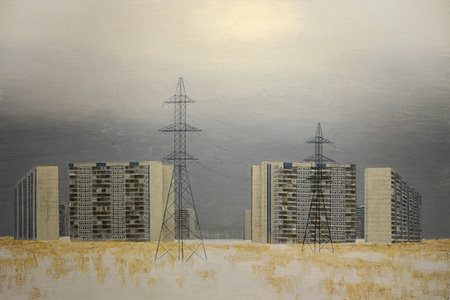
Concept The iconic image of contemporary Moscow constructs a visual and social order as a flawlessly manicured, seamless metropolis—one where all urban processes have been reduced to automation, and the vital human dimension is erased in favor of mere functionality. Behind this glossy facade, it is easy to miss the authentic experience of the person living in a residential neighborhood—the accumulated fatigue, the routine loneliness, the disorientation, and the sense of breakdown in familiar internal supports. The project, «Belyayevo: Score of Place, ” specifically addresses this profound gap between the polished exterior of the metropolis and the resident’s actual sensory experience. This residential area is examined as a complex hyperobject, whose constant underlying pressure is experienced daily by the individual on a physical and psychological level.At the core of the curatorial vision lies the concept of a „beacon”—an internal point of pause, a moment of resistance against the endless urban current. The metropolis’s total demand to be constantly engaged, efficient, and functional is counterbalanced here through vulnerability, deceleration, and the right to a pause—which stand as direct evidence of living subjectivity. By employing the tools of sound art, total installation, video, painting, and calibrated spatial dramaturgy, the project invites the viewer to discover an inner nexus amidst the overwhelming scale of panel housing.
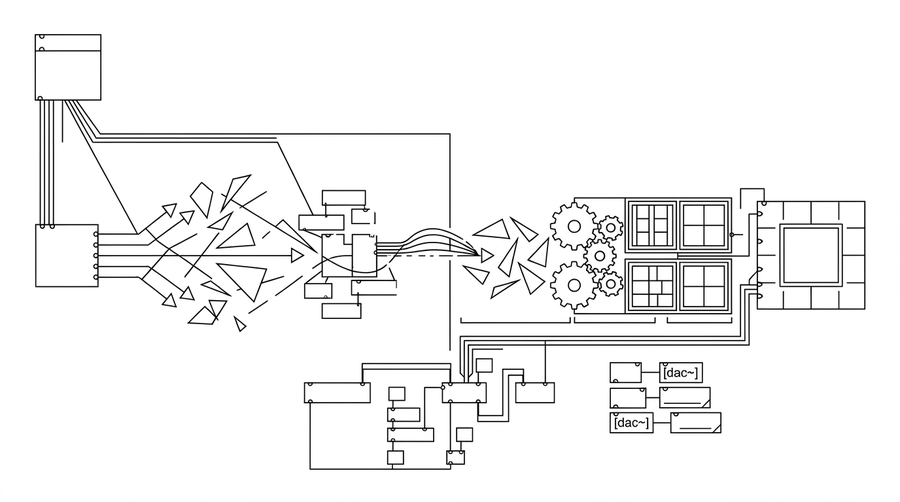
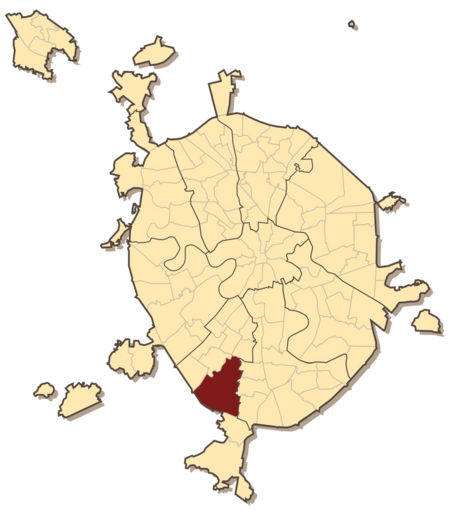
Project Site: Belyayevo Belyayevo is a unique point on the map of Moscow where a standard residential block historically converges with a dense layer of contemporary Russian avant-garde and unofficial culture. This is precisely where the legendary Moscow Conceptualism unfolded: Dmitry Alexandrovich Prigov transformed this location into his own myth, constructing the optics of the «Belyayevo principality» and proving that high poetics emerges directly from panel apartment blocks, courtyard boxes, and the experience of the Bulldozer Exhibition.On the very edge of the district is the historic Uzkoe estate, which functioned throughout the entire 20th century as a powerful center of attraction, a creative laboratory, and a refuge for the free intelligentsia—a kind of South-Western Peredelkino. Just as suburban Peredelkino hosted Western Nobel laureates like Bob Dylan, Bernard Shaw visited the Uzkoe estate, and the existential trajectories of Leo Tolstoy, Boris Pasternak, Andrei Tarkovsky, and Vladimir Solovyov intersected in its age-old alleys. Consequently, Belyayevo functions as a powerful resonant field where modern daily life of the housing block is fused with deep historical memory, literary centralism, and architectural poetics.
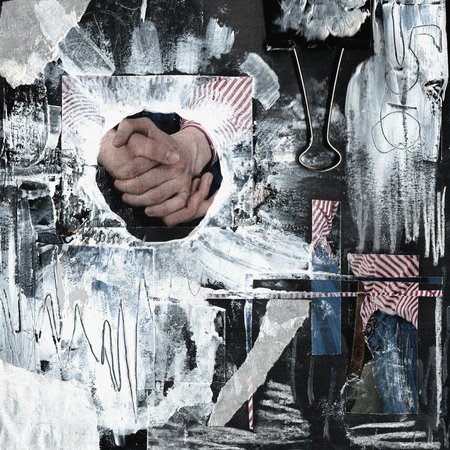
The Physical Body and the Exhibition’s DramaturgyThe exhibition is structured as a sequential internal journey for the viewer—from the first harsh confrontation with the disciplinary system to a complete reorganization of subjectivity and engagement in an open dialogue:The performative route «AYADRO» (The Labyrinth of Hospital Partitions): The route dictates an uncompromising bodily dramaturgy, guiding the viewer through a closed system of sterile partitions and mirrors. The narrative unfolds as a sequential experience of crisis: from neutral, alienated contemplation of one’s own reflection at the entrance («Am I?») and forced immersion into a rigid disciplinary order by donning a uniform («What? Am I!»)—to a peak existential impasse and solitude («Am I?»). Passing through the phase of quiet internal reconstruction of memory («A… I»), the person exits into the bright space of the common area, gaining the ability to engage in direct, equal dialogue with others («You / He»).Visual Objects, Paintings, and Stencils (Local Optics): An expansive visual block that unfolds upon exiting into the bright gallery zone. A series of paintings, graphic sheets, and discrete wall stencils is created by the artists and direct residents of the Belyevo area. These works capture the internal rhythm of the neighborhood—its Cubist geometry, hidden graffiti codes, marginal zones, and the austere visual poetry of the periphery, viewed from within personal, lived experience rather than through an external tourist lens.

Video Art and Cinematic Essays: Large-scale video projections and multi-channel media installations by director Leonid London (a laureate of the HSE International Film Festival and a participant in the prestigious «Doker» documentary film festival). The works move beyond simple documentation of a residential neighborhood, revealing the most delicate shades of poetic inhabitation of the everyday across the entire natural and urban scope of the area—from the rigid grid of panel housing to the melancholy silence of the Bitsevsky Forest and the Yablonevy Sad. The video captures suspended time, the plasticity of light movement, and the solitary trajectories of a person dissolved within the mass of gigantic architecture.Sound Installation «The Playground as Plato’s Circle»: The central semantic and acoustic core of the exhibition. The installation functions as a large-scale psychological and spatial simulator, translating the experience of the periphery onto the level of an entire inner world. The total soundscape is woven from the stream of consciousness of young adults, archival radio and television fragments, the real voices of residents, and recognizable sonic markers of the territory—such as the measured, muffled impact of a ball against the concrete wall of a courtyard enclosure, sounding like a metaphor for an inescapable impasse.
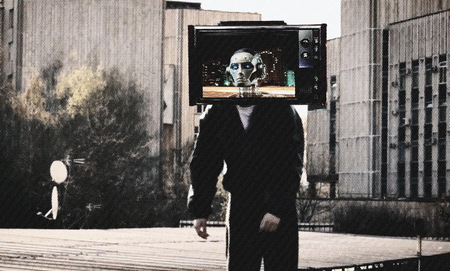
Resource and Grassroots Initiative Map (Documentary Media Object): Interactive spatial cartography functioning as a living physical archive of the invisible infrastructure of Belyaevo. The object compiles disparate fragments of local grassroots life: from basement recording studios and DIY workshops and board game clubs to courtyard communities. The cartography is supplemented with audio snippets from real resident interviews, self-published zines, artifacts from personal archives, and micro-histories of secret points of attraction omitted from guidebooks.Concert Finale and Public Space (Interdisciplinary Scene of South-Eastern Moscow): The concluding festival block takes place in the exhibition space, bringing together independent music and poetry scenes. Live performances by young Moscow bands—who stubbornly explore sound at genre intersections and bring a complex textural palette back to modern music («Prichudilos, ” „Kaleidoskop, ” „Tumba-yumba, ” among others, who regularly perform at „Sklad Number 3“)—are complemented by experimental IDM soundscapes from Anton Tvoishchenko and psychedelic rap sets by chaosmosman and other scene residents. The panorama is concluded by poetic performances by young authors—notably Matvey Khalov, a student from the Gorky Literary Institute and a winner of national awards.
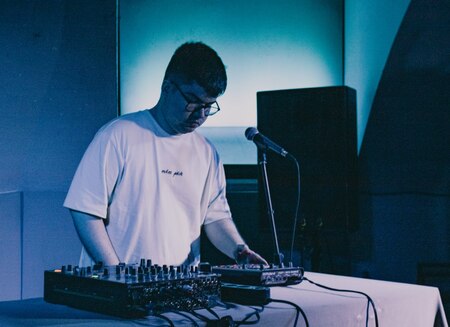
Participants and TeamsBehind every piece of media, sound, and physical installation in the exhibition are established authors, researchers, and independent creative collectives:Sound Design, IDM, and Electronic Scene: Anton Tvoyshchen — an independent sound producer and composer, participant in the «Arkhostoyanie» festival and large-scale contemporary art exhibitions.Video Art: Leonid London — director and visual artist, winner of the HSE International Film Festival, and participant in the «Docker» International Documentary Film Festival.Painting, Canvases, and Stencils: Artists, painters, and residents of the local Belyaevo community (selected via Open Call).Field Audio Archive and Micro-research: The «Cascade» Youth Project School (a laboratory for urban research and sound art). Indie Music Scene: The groups «Prichudilos,» «Kaleidoscope,» «Tumba-Yumba,» and other residents of «Sklad Number 3,» who develop complex independent sound. Anton Tvoyshchen is also a participant in the «Arkhostoyanie» festival and other major events. Poetic Program: Matvey Khalov — a poet and student at the A.M. Gorky Literary Institute, recipient of national awards, alongside invited young writers.
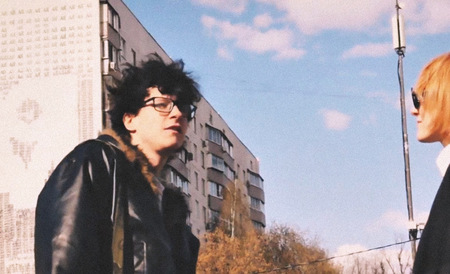
Public ProgramSound Lab with Teens from the «Cascade» School (practical urban drift, field sound recording, and working with the acoustic landscapes of Spalnik). Curatorial Performative Routes through the hidden and iconic points of Belyaevo, incorporating elements of psychogeography.Poetic Segment: Open author readings, poetry workshops, and discussions on the new language of poetry (Matvey Khalov and the Litinstitut poetry community).Discussion Segment featuring invited urbanists, independent city researchers, philosophers, and cultural studies experts.Musical Finale: A concluding festival concert featuring residents of the independent scene («Prichudilos, ” „Kaleidoscope, ” „Tumba-yumba“), IDM, and rap projects from the Southern Administrative Okrug, accompanied by poetic performances.
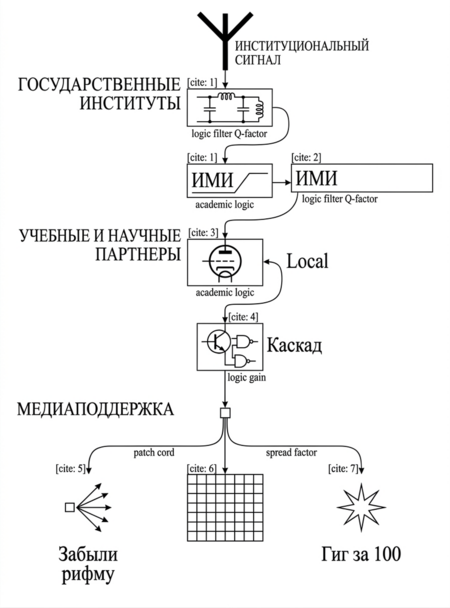
Locations and ResourcesVenue: «Belyaevo» Gallery (integration into the institutional context and the local identity of the South Administrative Okrug).Partnership Network and Media Resources: The project relies on an extensive network of institutional and promotional partners from the independent music scene—the Institute of Musical Initiatives (IMI), the Local journal, the youth community «Forgot the Rhyme,» and the concert collective «Gig for a Hundred.»Implementation: A flexible production approach, leveraging the technical capabilities of the base venue, media support from partners, and a tight network of the local community.
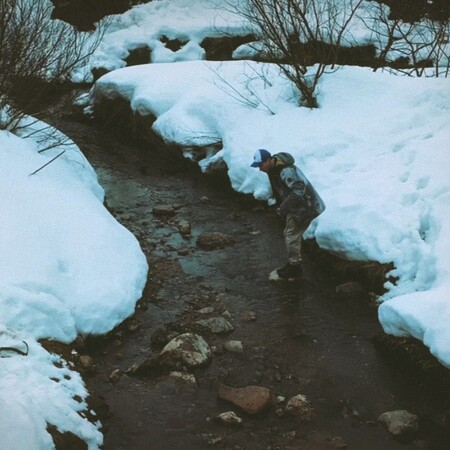
About the Curator I grew up my entire life in Belyevo. I didn’t have the chance to pursue many things for a long time, but the neighborhood has always remained my main source of strength. I feel it physically and draw inspiration from it: for me, the Bitsevsky Park has always been my Shire. As a child, I constantly encountered groups in its thickets staging combat installations in the «Lord of the Rings» style, and I felt like a little hobbit, Bilbo Baggins, having escaped Shire to face the mysteries of Middle-earth.Yet, at the same time, the neighborhood provokes a feeling of profound emptiness; it seems to have no sense of time. This mythic atmosphere permeating the streets has transformed the familiar landscape into a genuine labyrinth from which escape sometimes seems impossible. As we gaze into the myths of the past, we often forget that we are living in the symbolic space of modernity, one about which future inhabitants of this planet will tell tales.I, a person who grew up among these panel buildings and remembered myself as that hobbit, have now returned here not just as a local resident, but as a curator, to map out the very structure of this labyrinth. (Independent curator, artist, and musician, creator of the «Prichudilos» project, which works with the phenomenology of residential areas, grassroots communities, and teen labs).