Contents:

- Introduction
- Communication Channels
- Theoretical Framework
- Analysis
- Conclusion & Recommendations
Introduction: What is LIMÉ
About the Brand LIME is a Russian fashion brand founded in 2008. Initially focused on women’s clothing, the company has expanded into menswear, childrenswear, footwear, accessories, and home products. Today, LIME positions itself as a contemporary fashion brand offering trend-oriented collections inspired by international fashion while remaining accessible to a broad audience.
The brand has become one of the leading players in the Russian fashion market due to its modern aesthetic, extensive retail network, and strong digital presence.
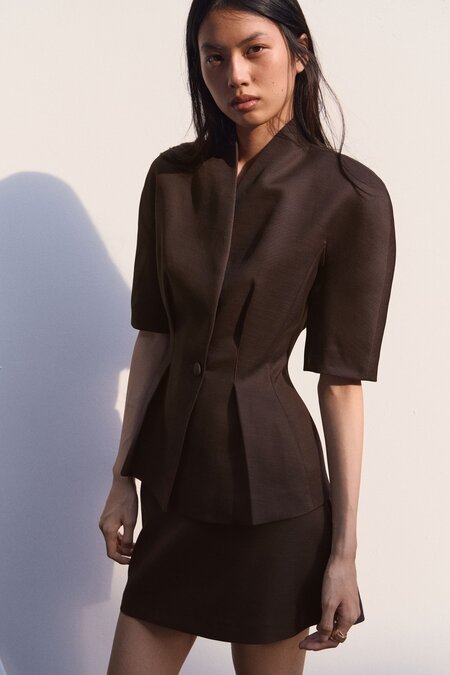
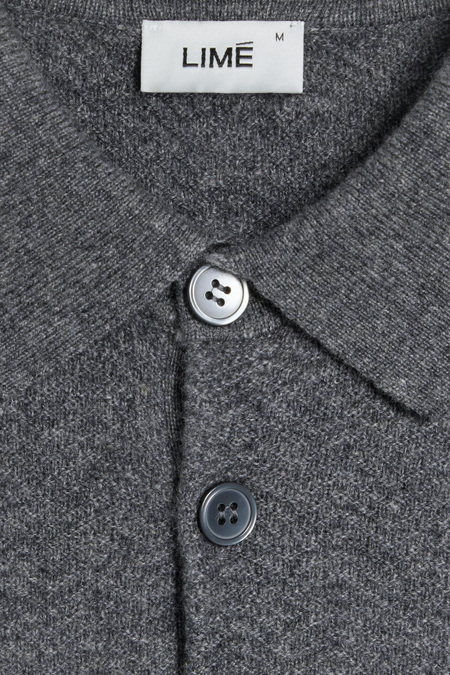
LIMÉ products
Brand Positioning LIME positions itself as a premium mass-market fashion brand. Its communication emphasizes minimalism, elegance, trend awareness, and lifestyle aspirations. Through carefully curated visual content, the brand creates an image associated with modern urban living, sophistication, and contemporary fashion culture.
Target Audience
- Women aged 20–40 years
- Urban residents interested in fashion and lifestyle trends
- Middle-income consumers seeking fashionable yet affordable clothing
- Social media users who actively engage with visual content and online shopping
The brand also increasingly targets men and younger consumers through the expansion of its product categories and digital communication strategies.
Communication Channels
Social Media Platforms LIME maintains an active presence across several digital platforms:
Instagram* (visual campaigns, product launches, editorial content)
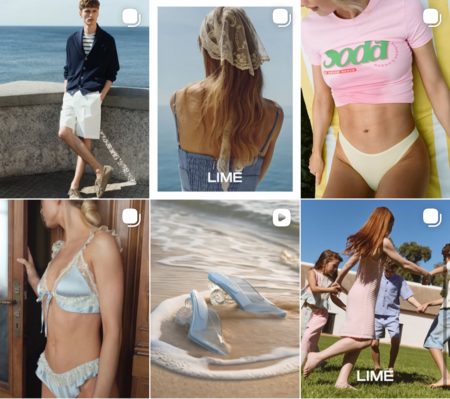
Instagram account
Reels on Instagram*
VK (community engagement and promotional communication)
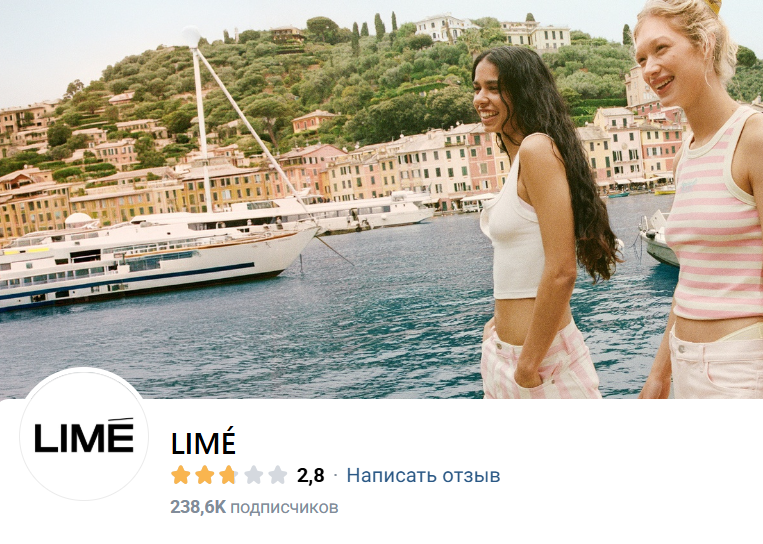
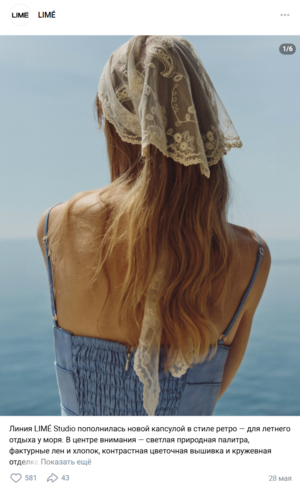
VK community
Telegram (exclusive updates, new collections, announcements)
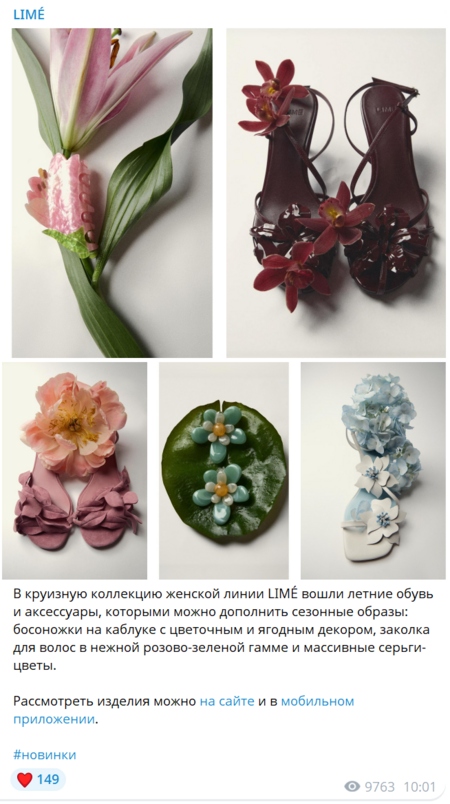
Telegram channel
Official Website The official website serves as both an e-commerce platform and a communication channel. It combines product presentation, editorial photography, campaign imagery, and shopping functionality.
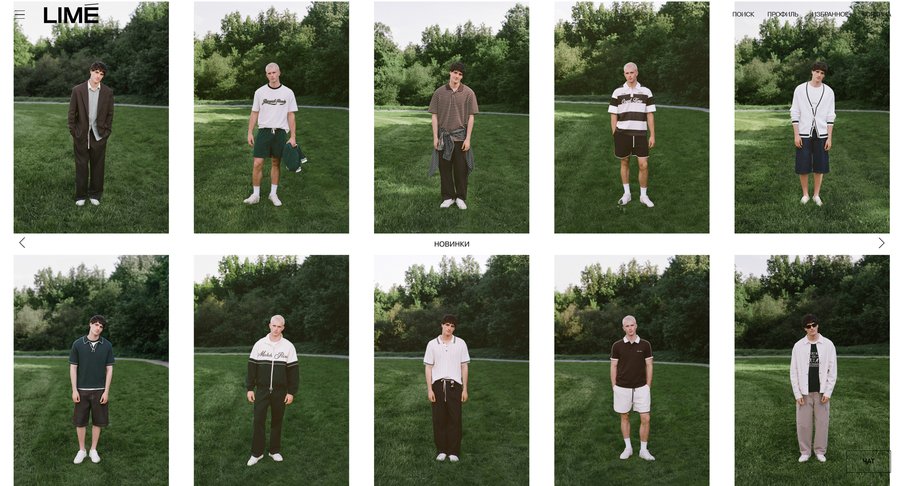
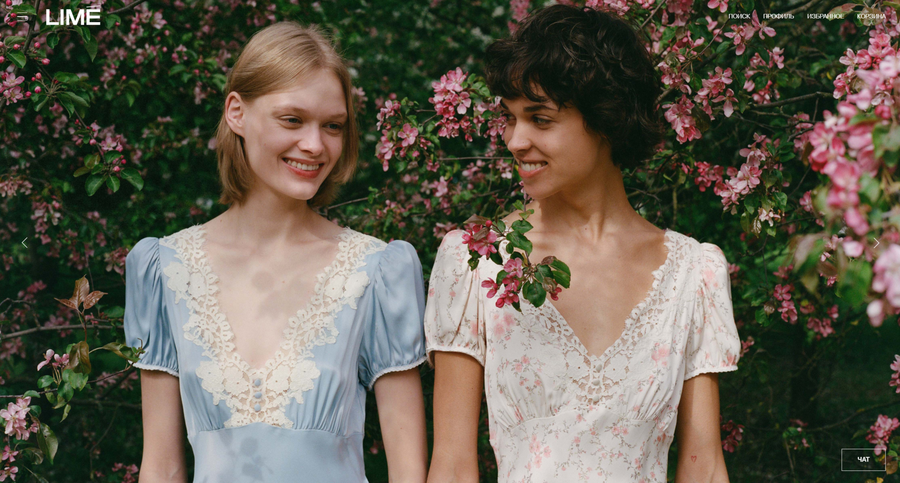
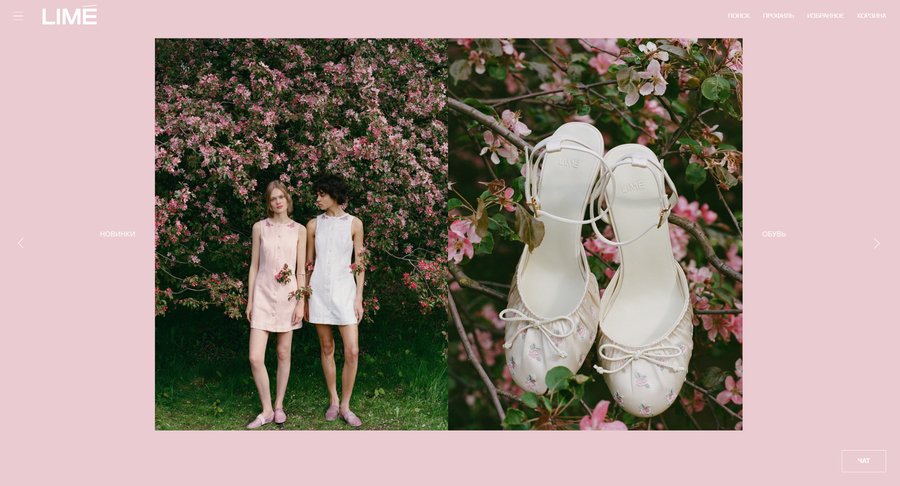
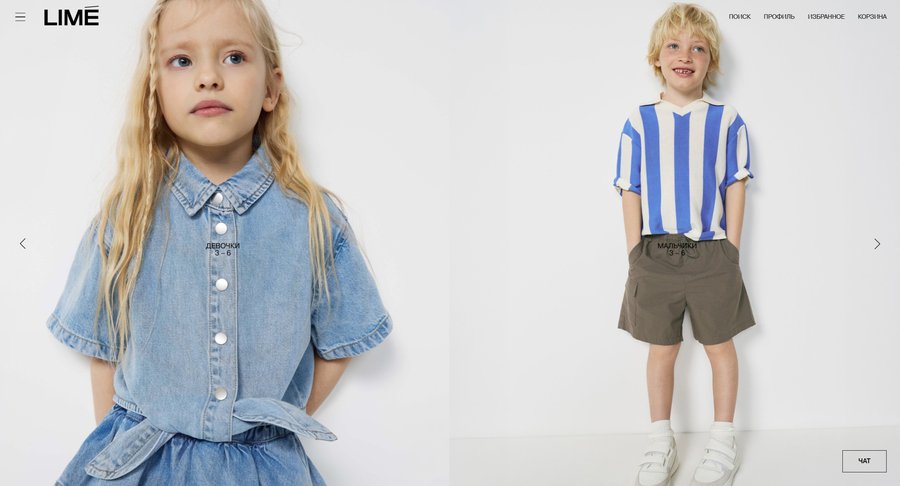
The official website
Public Relations Strategy LIME relies primarily on:
- Fashion campaigns featuring professional photography
- Collaborations with influencers and fashion bloggers
- Seasonal collection launches
- Editorial-style visual storytelling
- Consistent brand aesthetics across communication channels
Rather than using aggressive advertising, the brand focuses on creating a desirable lifestyle image associated with fashion, confidence, and modernity.
Theoretical Framework
For this analysis, two communication theories are applied.
Elaboration Likelihood Model (ELM) Developed by Richard Petty and John Cacioppo, the Elaboration Likelihood Model explains how persuasive communication influences attitudes through two routes:
- Central Route Consumers carefully process information, evaluating arguments, product quality, and factual details.
- Peripheral Route Consumers rely on visual cues, aesthetics, emotions, attractiveness, and symbolic associations rather than detailed information.
Fashion communication often relies heavily on peripheral persuasion because purchasing decisions are frequently influenced by emotions and visual impressions.
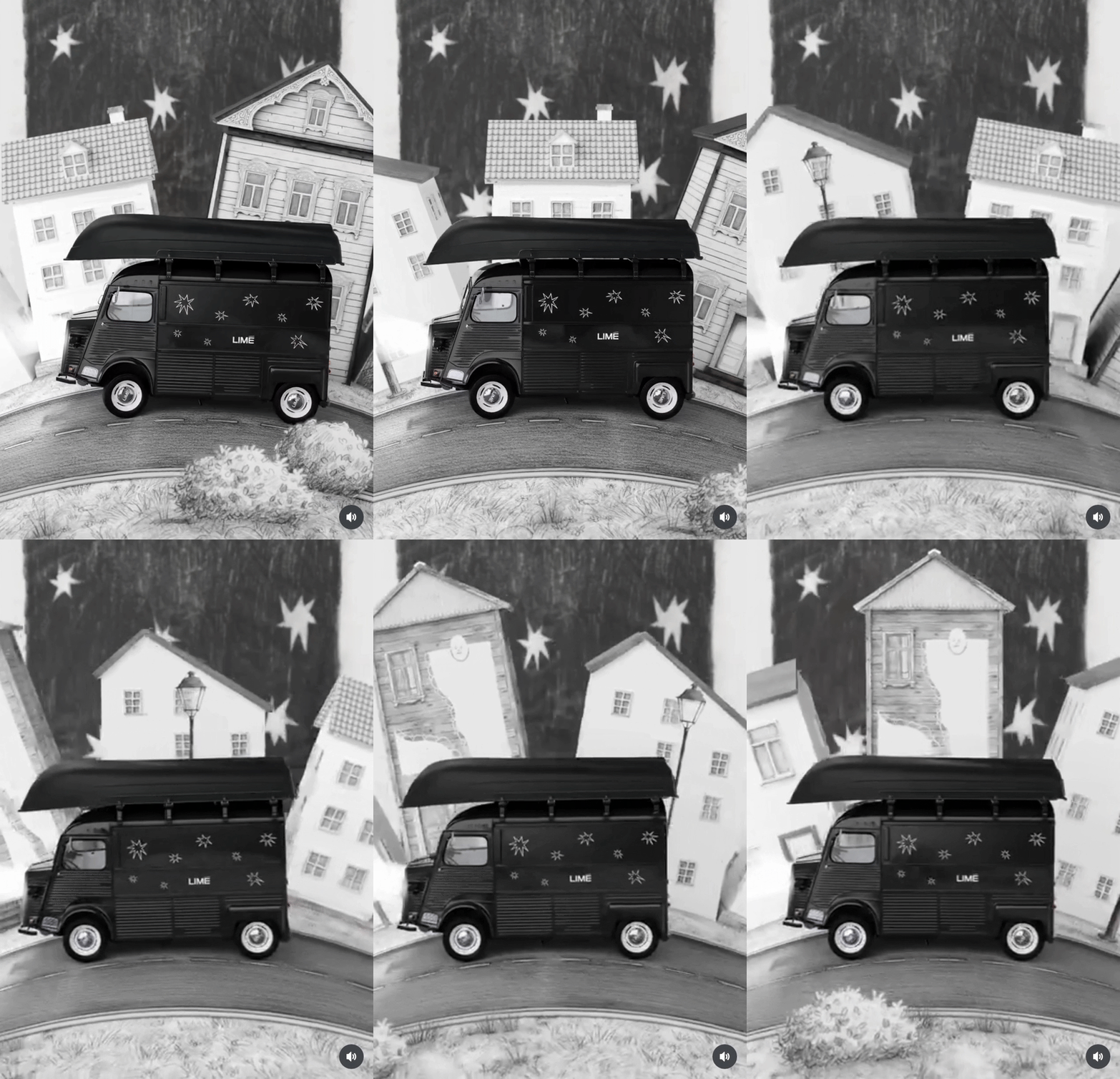
Instagram LIMÉ announcement
Uses and Gratifications Theory (U&G) Uses and Gratifications Theory suggests that audiences actively choose media to satisfy specific needs.
The theory identifies several motivations:
- Information seeking
- Entertainment
- Personal identity formation
- Social interaction
- Lifestyle inspiration
This framework helps explain why users engage with fashion brands on social media beyond simply purchasing products.
Analysis
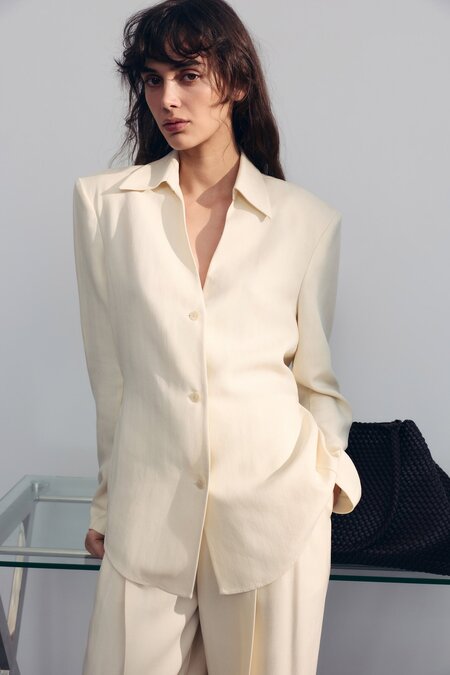
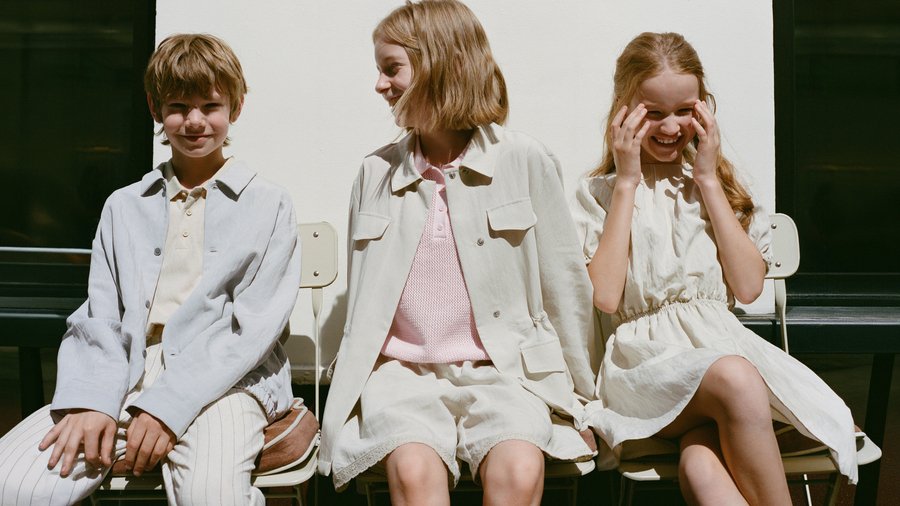
ELM Analysis: Visual Persuasion Visual Evidence 1: Campaign Photography
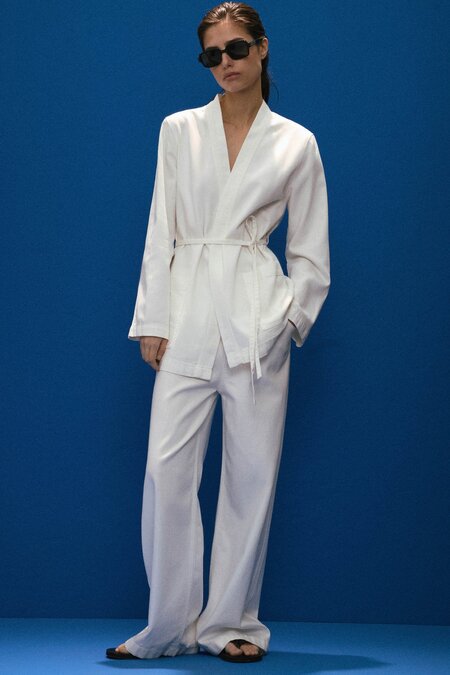
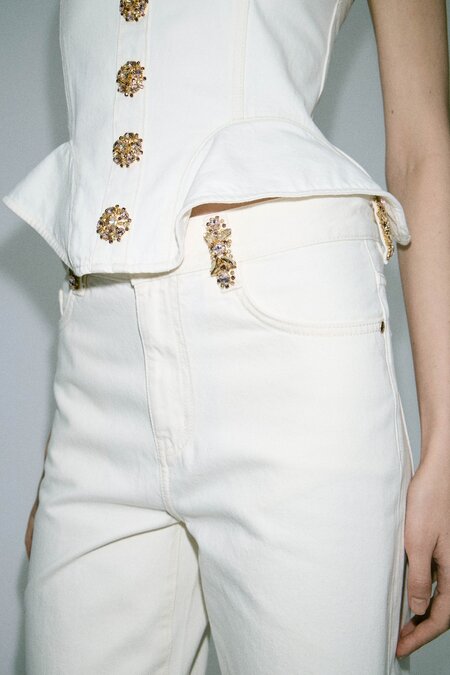
LIME’s campaign images feature:
- Minimalist backgrounds
- Professional models
- Neutral color palettes
- High-fashion styling
These elements function as peripheral cues within ELM. Consumers may associate:
- Professional photography with quality
- Attractive models with desirability
- Minimalist design with sophistication
As a result, positive attitudes toward the brand can develop even without extensive product information.
As a result, positive attitudes toward the brand can develop even without extensive product information.
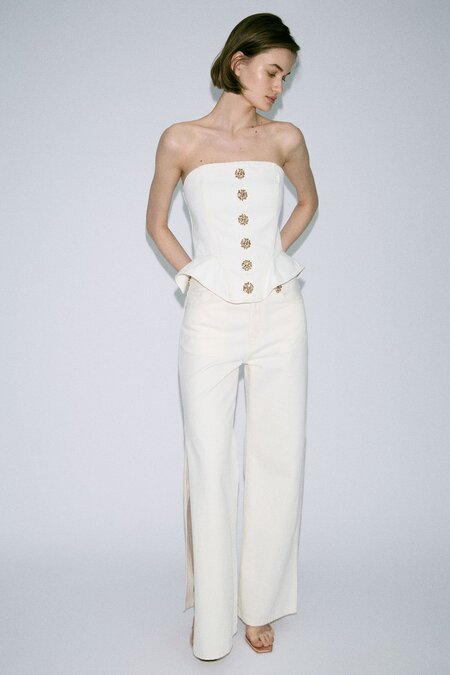
Professional photography

Professional photography