
Communication theory in the field of design
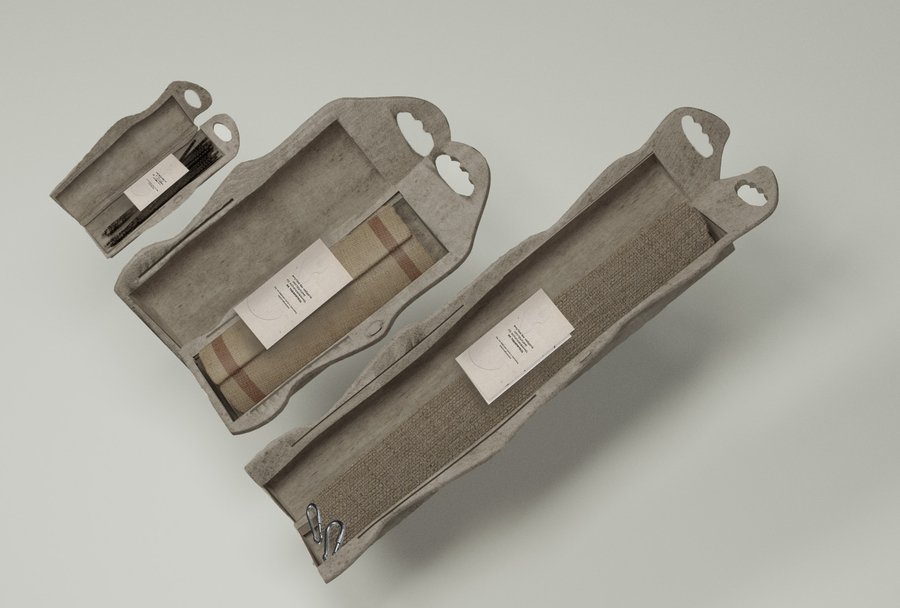
The final products
«Communication is the relational process of creating and interpreting messages that elicit a response» (Griffin, 2009).
The effective interaction of design with the audience has a significant impact on the quality of project implementation. In communication between the brand and the customer, design is a «sender» that transmits information about the brand’s values through visual elements, while the customer is a «receiver», who perceives this information and makes decisions. Design should take into account the audience’s perception, cultural characteristics, and psychological factors that influence decision-making.
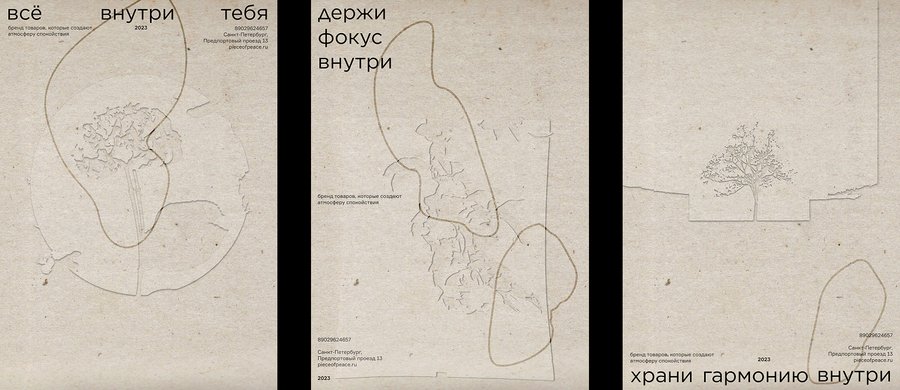
The posters as a way of brand outdoor communication
There are different communication theories each of which has a significant impact on design as a means of communication.
Rhetoric and Persuasion study how communication influences people’s beliefs, values, and actions. Designers must create products that function effectively while simultaneously conveying messages that align with users' values, thereby promoting attitude or behavior change. This approach enhances both the relevance and effectiveness of design.
According to the Narrative Paradigm, people are naturally inclined to tell stories, and therefore, using clear and meaningful narratives helps build relationships and trust. Stories must be coherent and compelling to be perceived as authentic and meaningful. Symbolic Convergence Theory demonstrates how shared narratives and symbols foster group identity and community cohesion. By applying this theory, designers can create engaging brand stories that evoke emotional responses and engage audiences. Using Narrative Paradigm in conjunction with Symbolic Convergence Theory is a powerful tool for brand promotion.
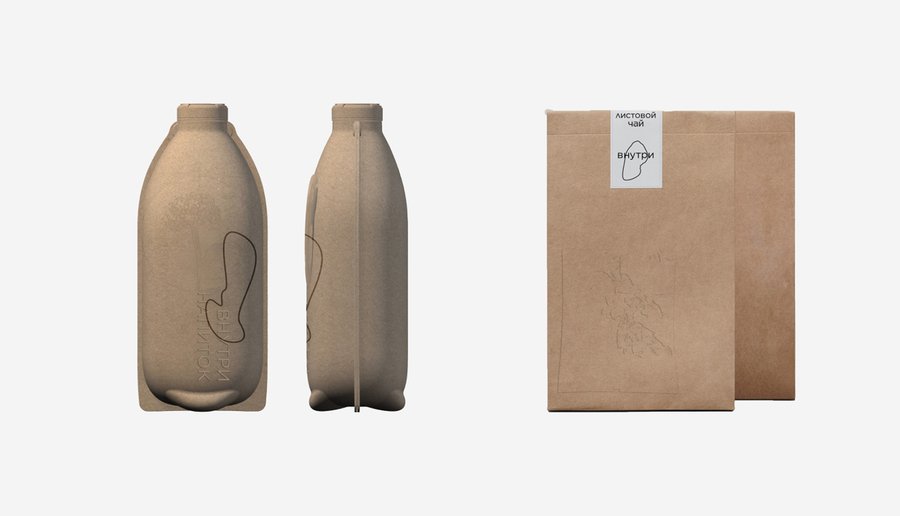

Creating a community of like-minded people (and specialized products) around a brand that cares about the environment
Unpacking the products is designed as a ritual aimed at calming the user, which emphasizes the brand’s concept
The concept of Media Ecology, including McLuhan’s statement that «the medium is the message,» emphasizes the importance of the medium of print, digital, or interactive presentation. Designers must consider that the choice between «hot» media and «cold» media significantly impacts how people perceive and interact with content.
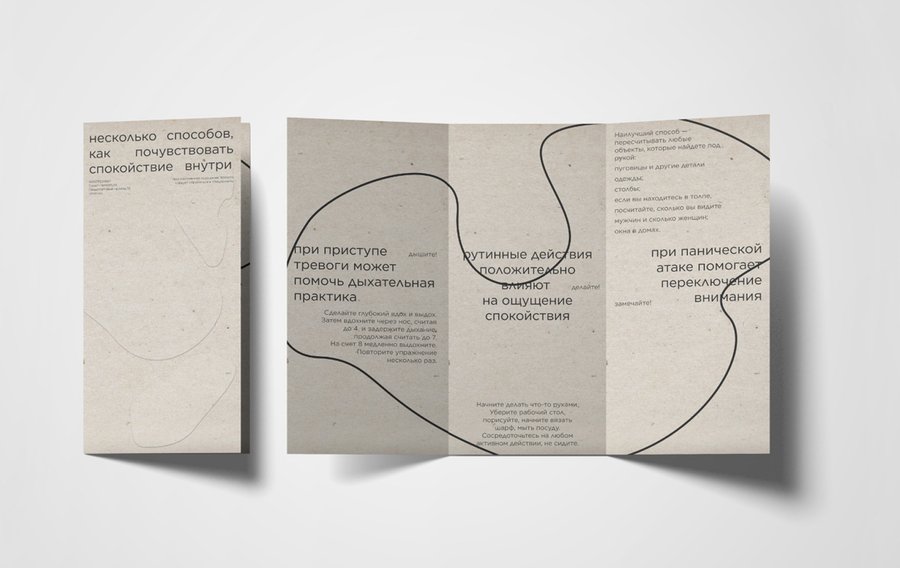
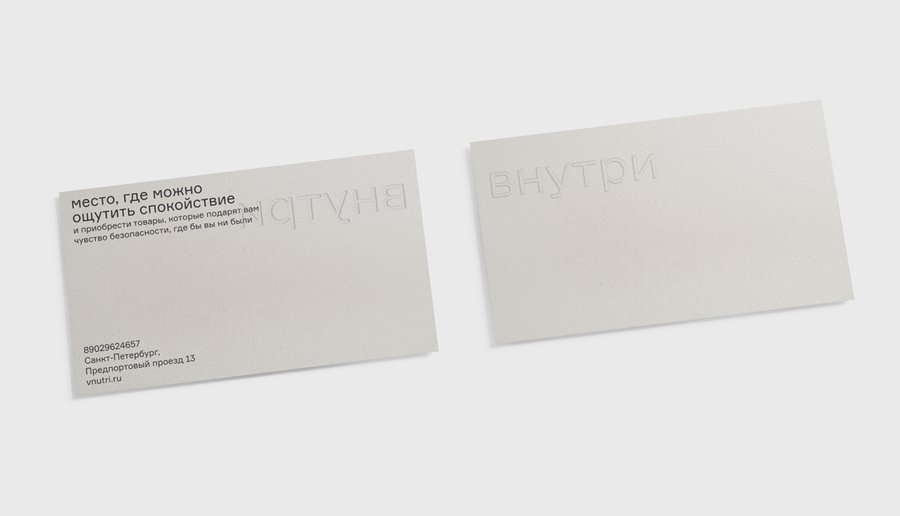
Printed brand information media emphasize the concept of tactility
Digital media as an integral communication channel in the modern world
Additionally, another important principle is the concept of affordances: a product should clearly demonstrate how it is used. Visual design, shape and interactive components should guide the user on how to interact with the product, taking into account their behavioral habits. Thoughtfully implemented affordances allow for easy and natural mastery of the product, eliminating the need for detailed instructions.
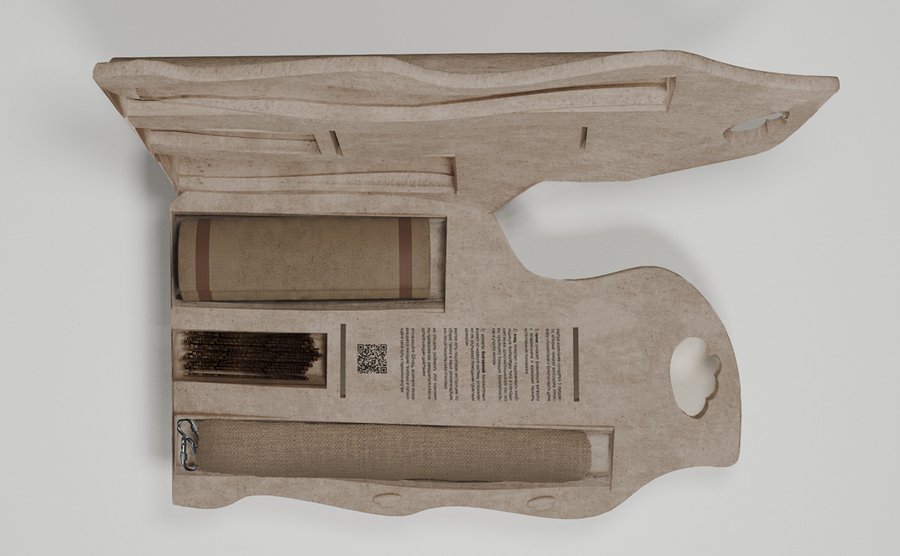
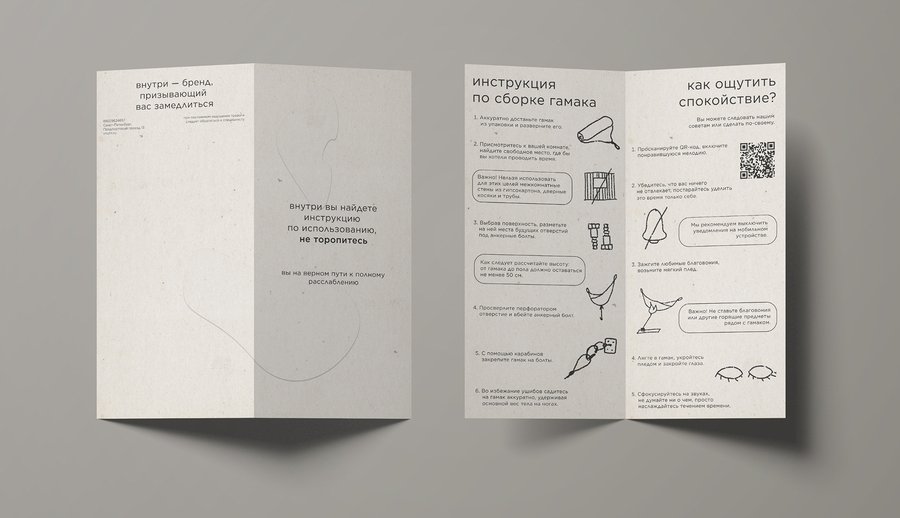
The product is available to the public: in addition to the labels on the packaging, there is an insert with detailed instructions for use
Communication theory performs four main functions:
- Description. Communication theory in design helps to systematize knowledge and observations about the influence of visuals on consumer behavior and accurately describe phenomena, processes or objects.
- Explanation. With the help of communication theory designers are able to explain why certain elements work effectively while others cause difficulties for consumers and how to create the successful visual communication between the brand and the customer.
- Prediction. Based on the communication theory, designers predict the impact of visual style on consumer brand perception and the target audience’s reaction to a new product.
- Transformation. Using communication theory designers create projects that can transform the user experience with a product or environment. These transformations include improving usability, enhancing aesthetic appeal and optimizing functionality.
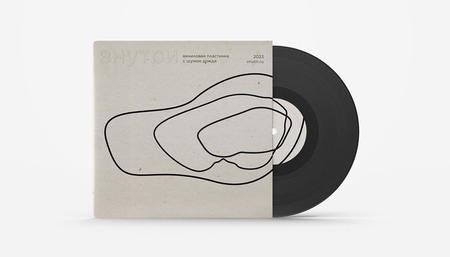

The vinyl record
Communication theory assists designers to better understand their target audience, anticipate consumer’s reactions and create effective solutions that help them achieve their goals.
Presentation of your brand for a general audience
The details of visual elements
In the constant hustle and bustle of work routine you may not notice the fleetingness of time and miss the opportunity to be alone with nature and enjoy the present. We invite you to slow down, forget your troubles for a while, and reconnect with people and nature.
The brand «Vnutri» is designed to bring you a sense of calm and safety.
Our greenhouse
We are located in small greenhouses on busy city streets. Our store space is filled with plants that promote calmness and help maintain optimal indoor air humidity. The sounds of nature play throughout our store, which also helps relieve stress and promote calm.


The packaging of our products
Integrating the brand into the office space, where people often feel tired
We care about your mental health and want to give you harmony with oneself.
Collaborations with various yoga and massage studios
Our selection includes products that soothe. In stores you can find hammocks that relieve stress on the spine and allow you to easily relax and fall asleep, cosy blankets that create a sense of security, incense and essential oils, the smell of which has a beneficial effect on the nervous system. Vinyl records with sounds of nature, which you can also find in our stores, will help create a relaxed atmosphere in your home. Shopping bags, reusable bottles and plant pots made from natural materials will help preserve pure nature, which gives us peace of mind.
Presentation of your brand for a professional audience
Polygraphy
The concept and corporate identity of the «vnutry» brand is based on the metaphor of a cocoon: inside the cocoon is a butterfly, inside the hammock is a person, and inside the person is tranquility. Therefore, the logo has a natural shape and is customizable for each medium.
The embossed advertising poster