Beekeeping is a centuries-old bond between humans and nature—a reservoir of experience and knowledge essential for the industry’s development and the preservation of delicate natural balance. Therefore, the core idea of this project is to create a space where these elements can interact continuously.
The Center will serve as a gathering place for the professional community, allowing beekeepers to exchange expertise, host conferences, and advance the industry collectively. Aspiring professionals will have the opportunity to learn and master practical skills, while visitors can gain a deeper understanding of bee life, their role in the ecosystem, and the significance of beekeeping.
Republic of Bashkortostan
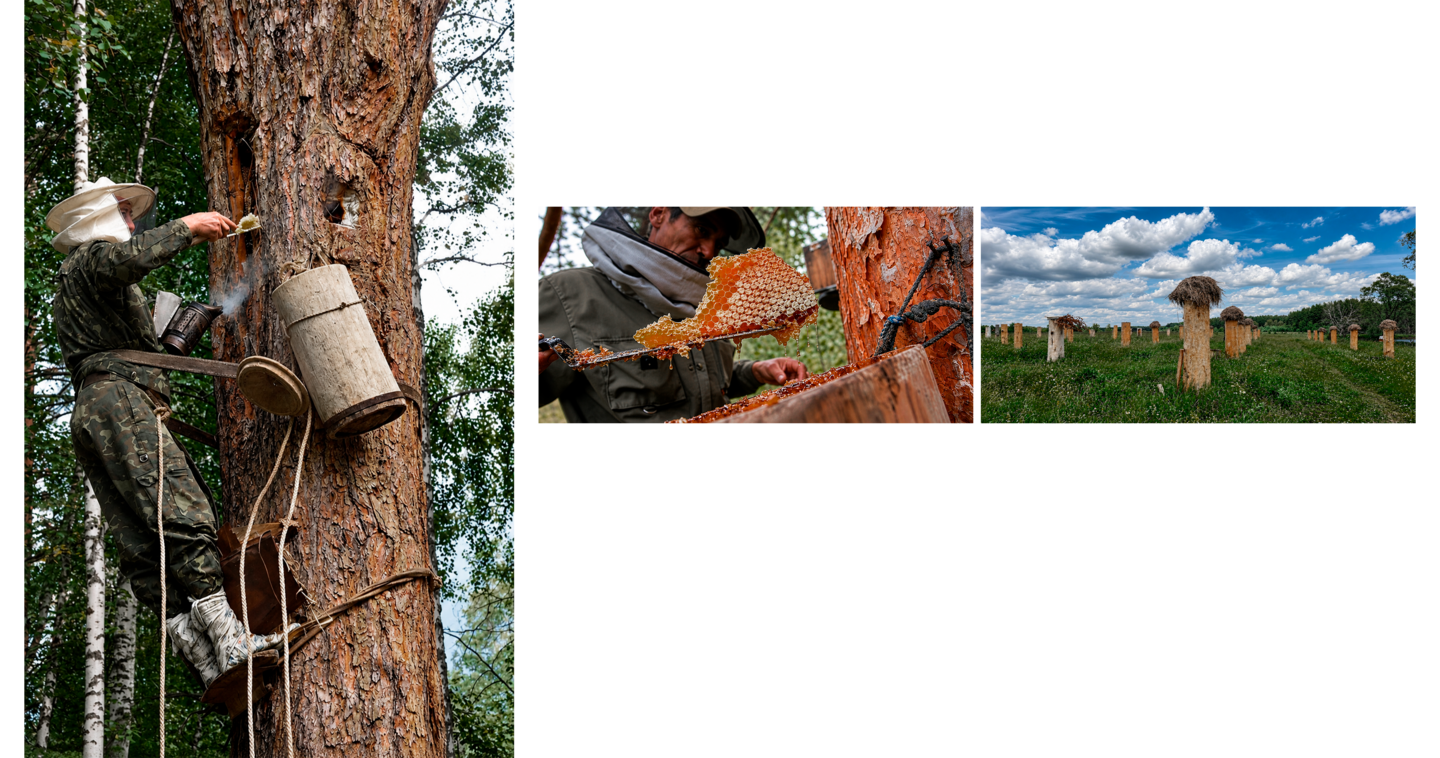
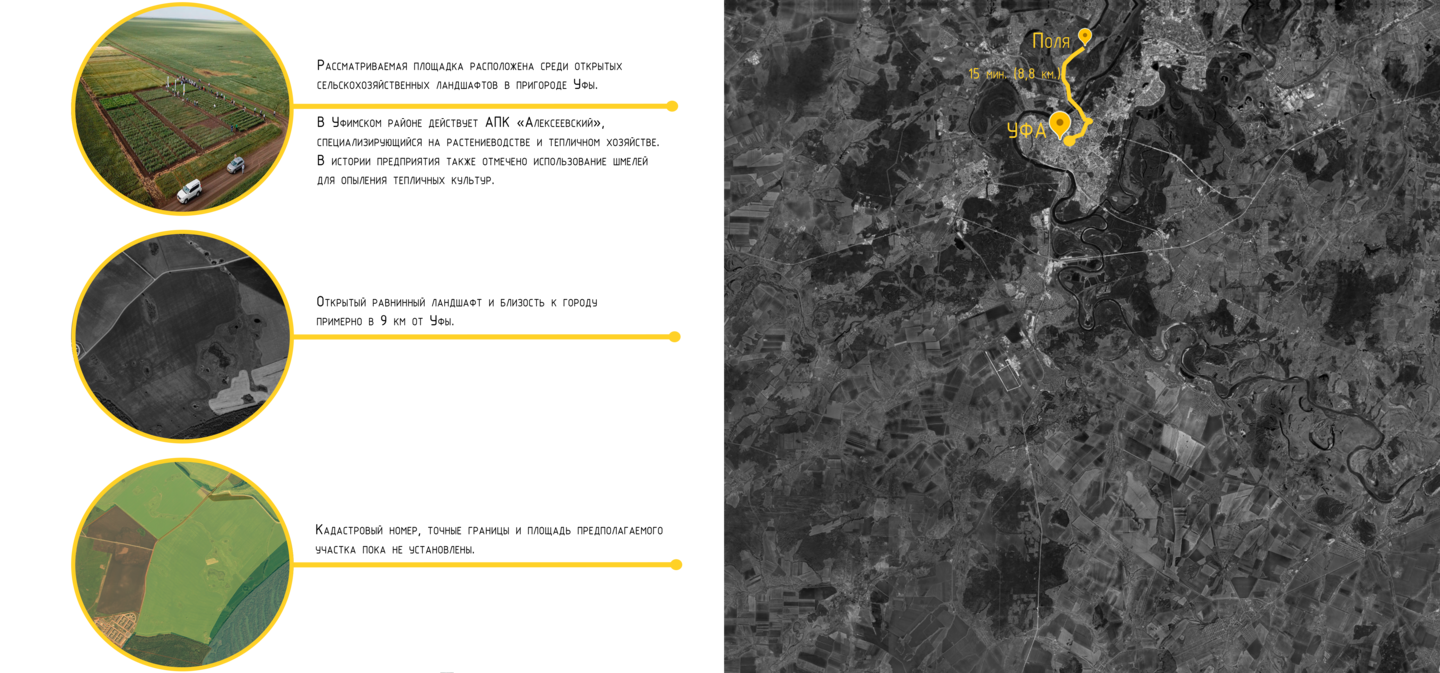
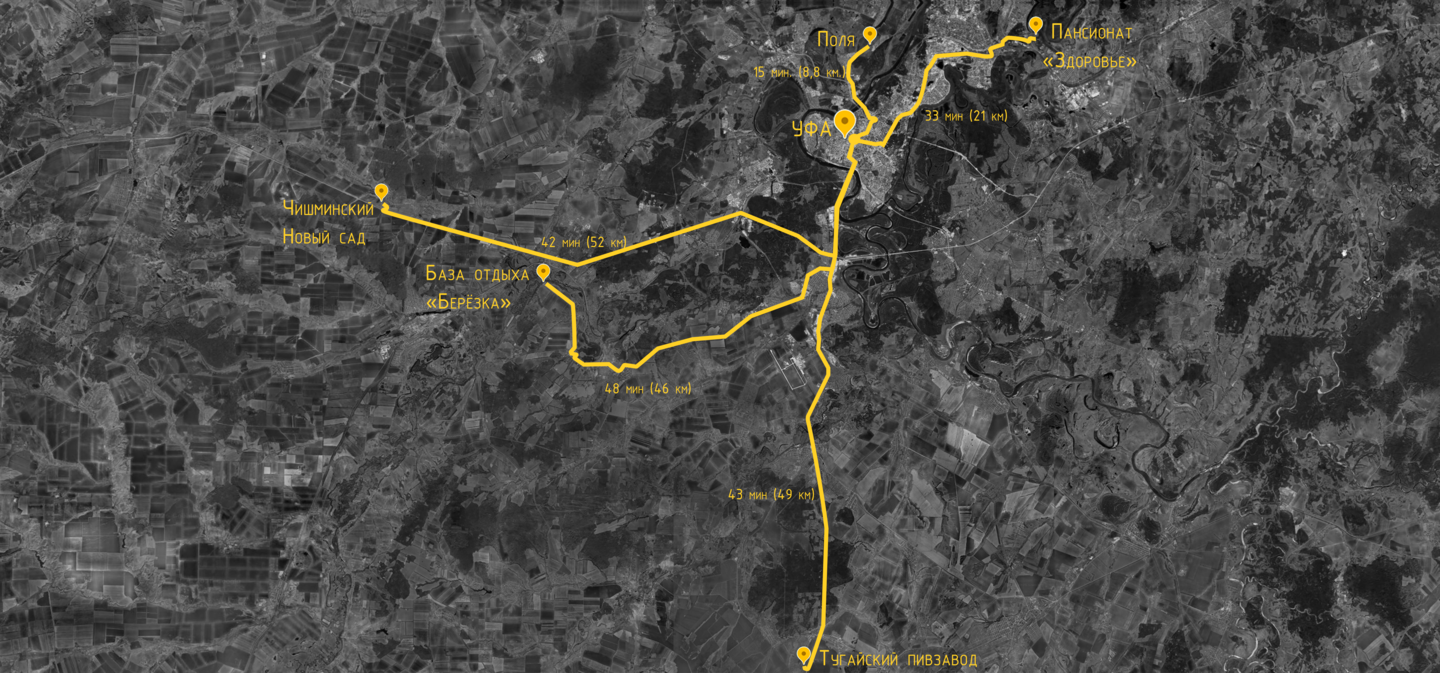
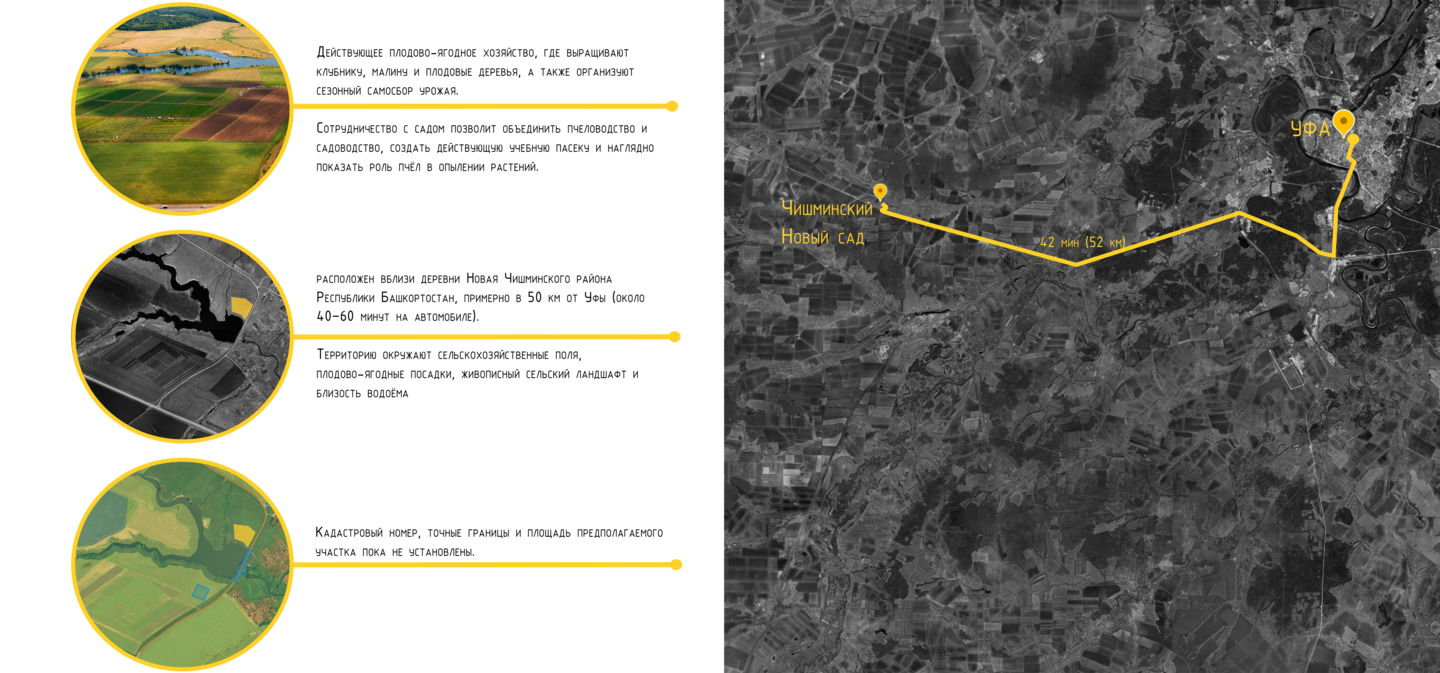
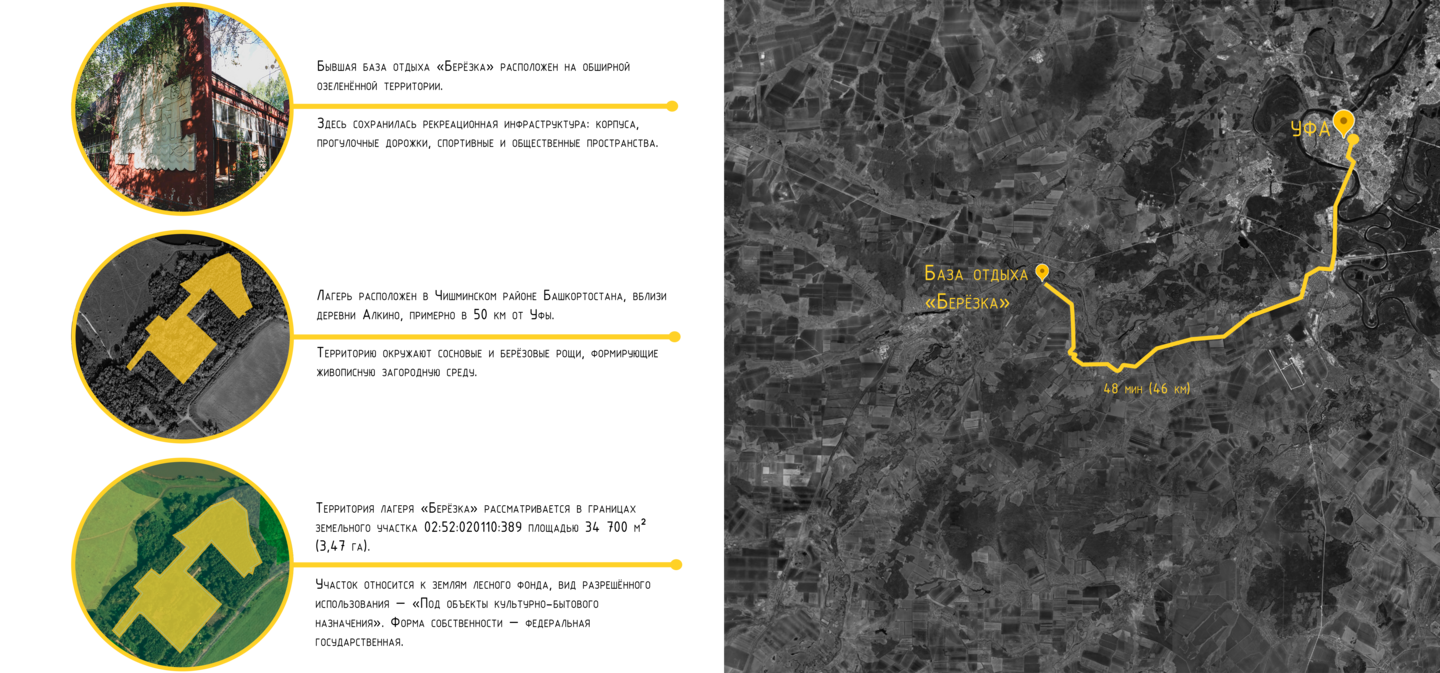
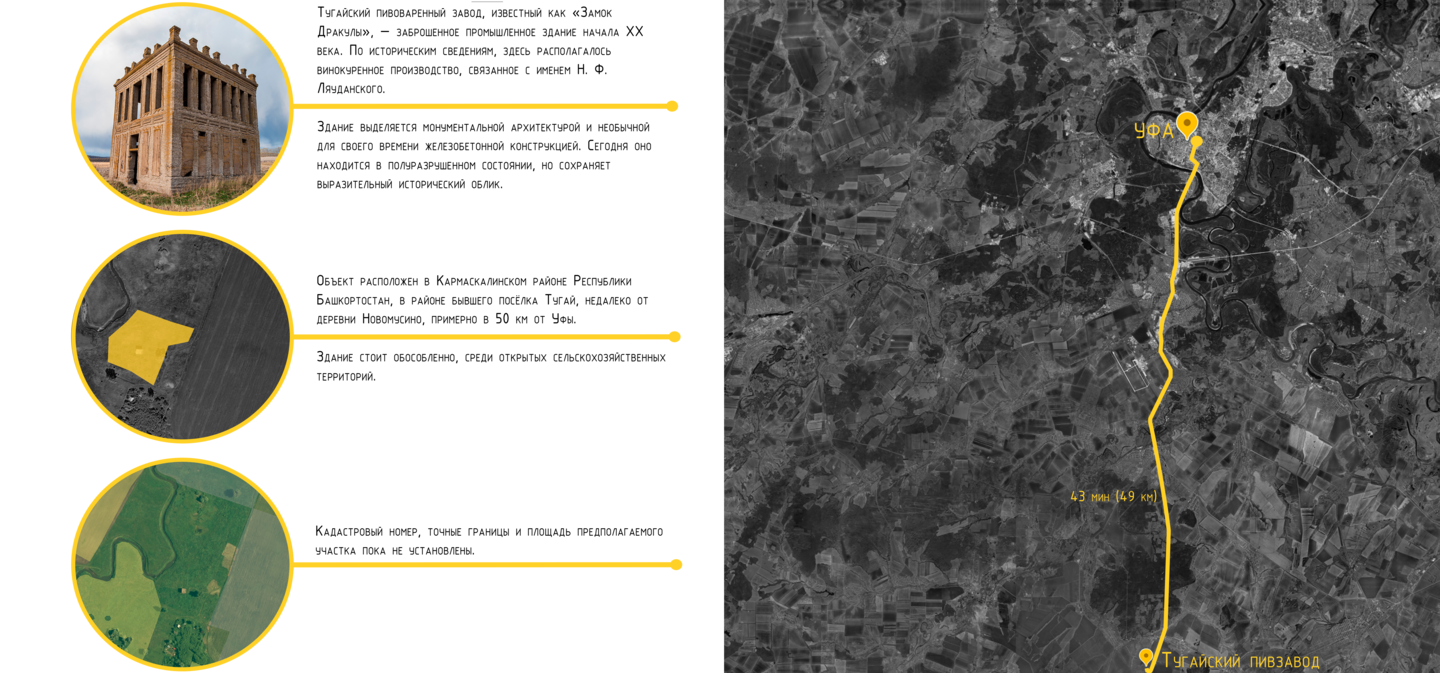
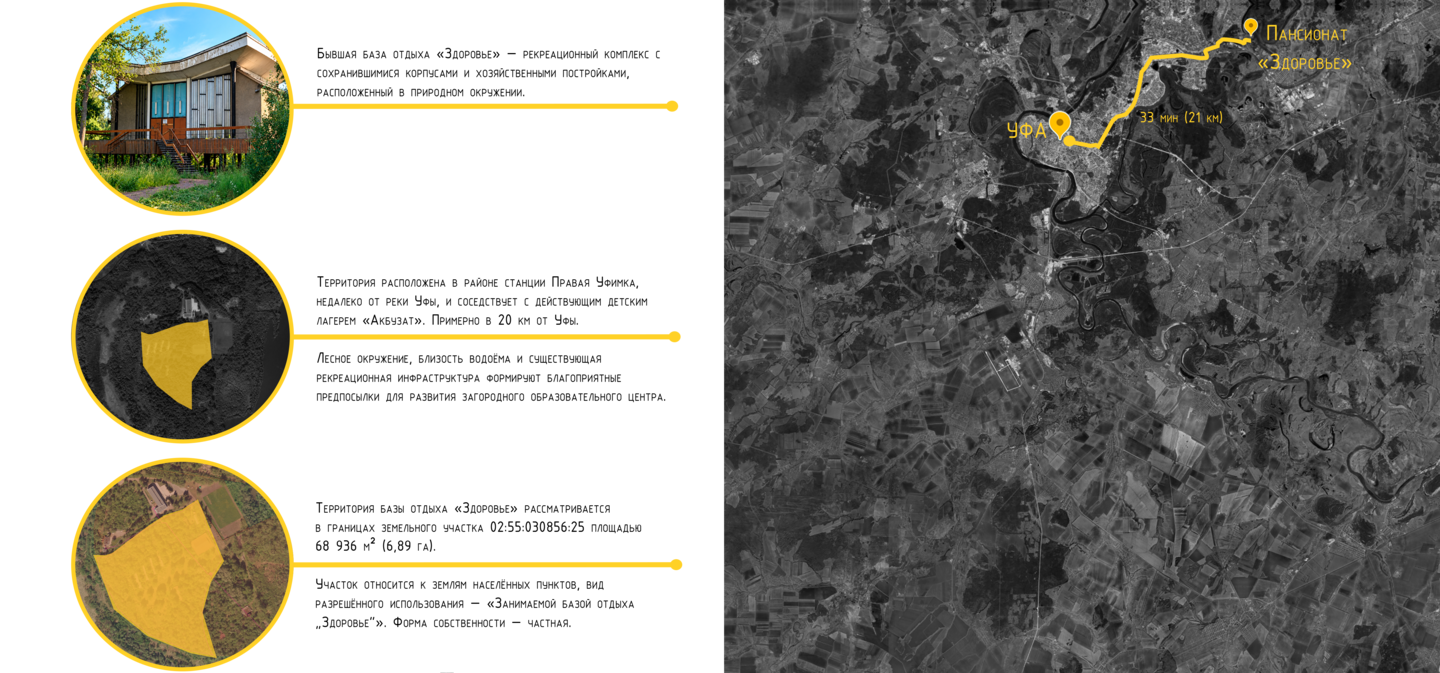
Bashkortostan is one of Russia’s leading apiculture centers, where this craft is an integral part of the cultural heritage and regional identity. Bashkir honey is renowned far beyond the republic, and the traditions of «bortnitshestvo"—the ancient practice of keeping bees in tree hollows—are preserved to this day.The region’s rich natural environment, which includes linden forests, flowering meadows, orchards, and agricultural lands, creates ideal conditions for the development of beekeeping.Locating the center near Ufa will ensure connectivity with the urban audience while maintaining close proximity to nature and active agricultural territories.
More than honey
Beekeeping is acquiring particular significance today, both as a traditional craft and as a vital component of our ecological future. Bees and other pollinators play a key role in plant fertilization and maintaining biodiversity in agricultural production. However, climate change, the reduction of natural habitats, and pesticide use pose increasing threats to pollinators.
At the same time, traditional knowledge and craft practices require preservation and transmission to new generations. This is especially relevant for Bashkortostan, where beekeeping is part of the region’s cultural identity.
Today, the goal is not simply to preserve bees and beekeeping traditions, but to cultivate an informed relationship with their role in our lives. This is why a modern center is necessary—one that unites environmental education, craft preservation, and practical experience, allowing individuals to learn about nature and feel their connection to it.
The project unites three primary audiences, each of whom can find something of their own in the center.
For the professional community, it is a space for exchanging experiences, preserving traditions, and developing modern apiculture. It is a place where masters can share knowledge, hold meetings, and pass on their craft to new generations.
For tourists and visitors to Bashkortostan, it offers the opportunity to connect with one of the region’s main symbols through a hands-on experience: visiting the apiary, tasting local honey, participating in workshops, and connecting with Bashkir traditions.
For local residents, families, and children, it is an accessible educational environment where they can discover the amazing world of bees, understand their role in nature, and learn to care for the environment.
The Beekeeping and Eco-Education Center is a public urban center for hands-on learning in apiculture: a permanent venue for the regional beekeeping community (seminars, sections, young beekeeper school) featuring educational programs for both children and adults, an active apiary, and a sales point for local beekeepers' products. It also serves as an event space, with a hall seating 45–60 people, designed for regional seminars and partner programs of annual conferences.
Pre-project Analysis Structure
Chapter 1. Concept Problem Statement and Research Direction Determination
Chapter 2. Zeitgeist 2.1. History and Development of Beekeeping 2.2. Beekeeping in Russia 2.3. Bees and Ecology 2.4. Beekeeping in Contemporary Culture
Chapter 3. Genius Loci 3.1. Regional Context 3.2. Selection of the Design Site 3.3. Comprehensive Analysis of the Chosen Area
Chapter 4. Archetypes and Prototypes 4.1. Archetypes of the Beekeeping Environment 4.2. Architectural Prototypes 4.3. User Experience and Functional Organization
Chapter 5. Conclusions Based on the Research Conducted
Final Project Work Plan