Network Studios — Telegraph
INTRODUCTION
Cartoon Network is an American animated television channel that introduced itself as one of the world’s largest channels for children’s audiences. Its primary target audience consists of children aged 6-12. However, the channel also appealed to teenagers and adults who grew up with its content.
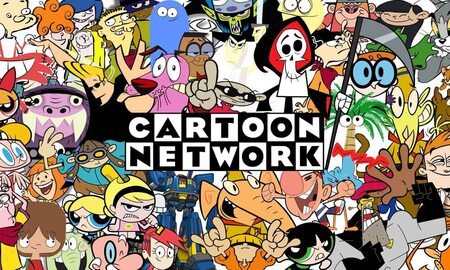
Preschoolers</font color=D51E7E> — some morning programs, such as the Cartoonito block, were aimed at younger audiences. Young adults </font color=D51E7E>— the nighttime block Adult Swim featured animated series with more mature content intended for teenagers and adults. The channel’s main content consisted of animated series of various genres, from action to comedy. Most of these programs were produced at its own Cartoon Network Studios. Content was either co-produced or made by other studios.
«The first challenge for Cartoon Network was the insufficient number of cable systems supporting the channel. At its launch in October 1992, the channel was available on only 233 cable systems. However, it benefited from bundle deals. New subscribers to the related channels TNT and WTBS could also access Cartoon Network through such offers. Cartoon Network’s high ratings over the next couple of years led to other cable systems picking up the channel. By the end of 1994, Cartoon Network had become the „fifth most popular cable channel in the United States“.» [3]
COMMUNICATION CHANNELS
The channel expanded its online presence, using streaming services and interactive apps to engage with its audience. Marketing campaigns also included elements that were related to animated content in one way or another. For example, they collaborated their show «Adventure Time» with «Fortnite» to promote themselves.
Thus, Cartoon Network’s positioning was based on a combination of diverse animated content, adaptation to different age groups, and sensible use of digital channels to interact with its audience.
Collaboration «Fortnite × Adventure Time»
Cartoon Network’s PR strategy is aimed at strengthening the channel’s image, increasing brand awareness, establishing contact with the target audience, and maintaining viewer’s loyalty. It includes a set of measures focused on interacting with the media, the audience, and partners.
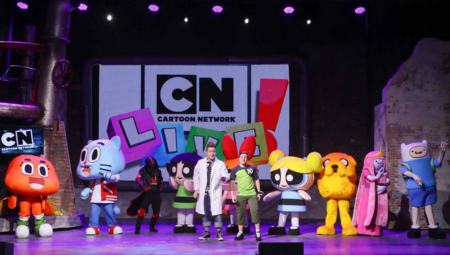
The channel actively works with journalists and media platforms to create and spread meaningful stories. For example, when celebrating anniversaries or festivals, events featuring popular characters or celebrities are organized, and different medias, such as «Cartoon Network Live!» (2017), are introduced in order to hold the event. PR campaigns may include organizing meet-and-greets with characters, carnivals, workshops, as well as other activities for children and their parents.
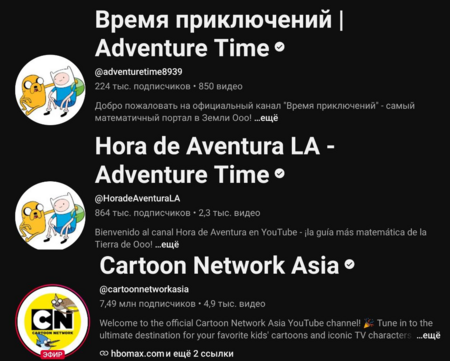
Active presence on social media, YouTube, and other digital channels make it possible to maintain contact with the audience, publish trailers, clips, behind-the-scenes content, conduct surveys, and interact with users through comments. Working with popular YouTubers and other opinion leaders helps expanding the audience reach and establish closer contact with fans. Examples of such collaborations include well-known bloggers voicing characters (e.g., Joe Sugg for 'The Amazing World of Gumball') or dubbing episodes on different languages.
To evaluate the effectiveness of PR campaigns different engagement metrics, website traffic, surveys, and viewer feedback are used. This allows to adjust the strategy and regularly improve the results.
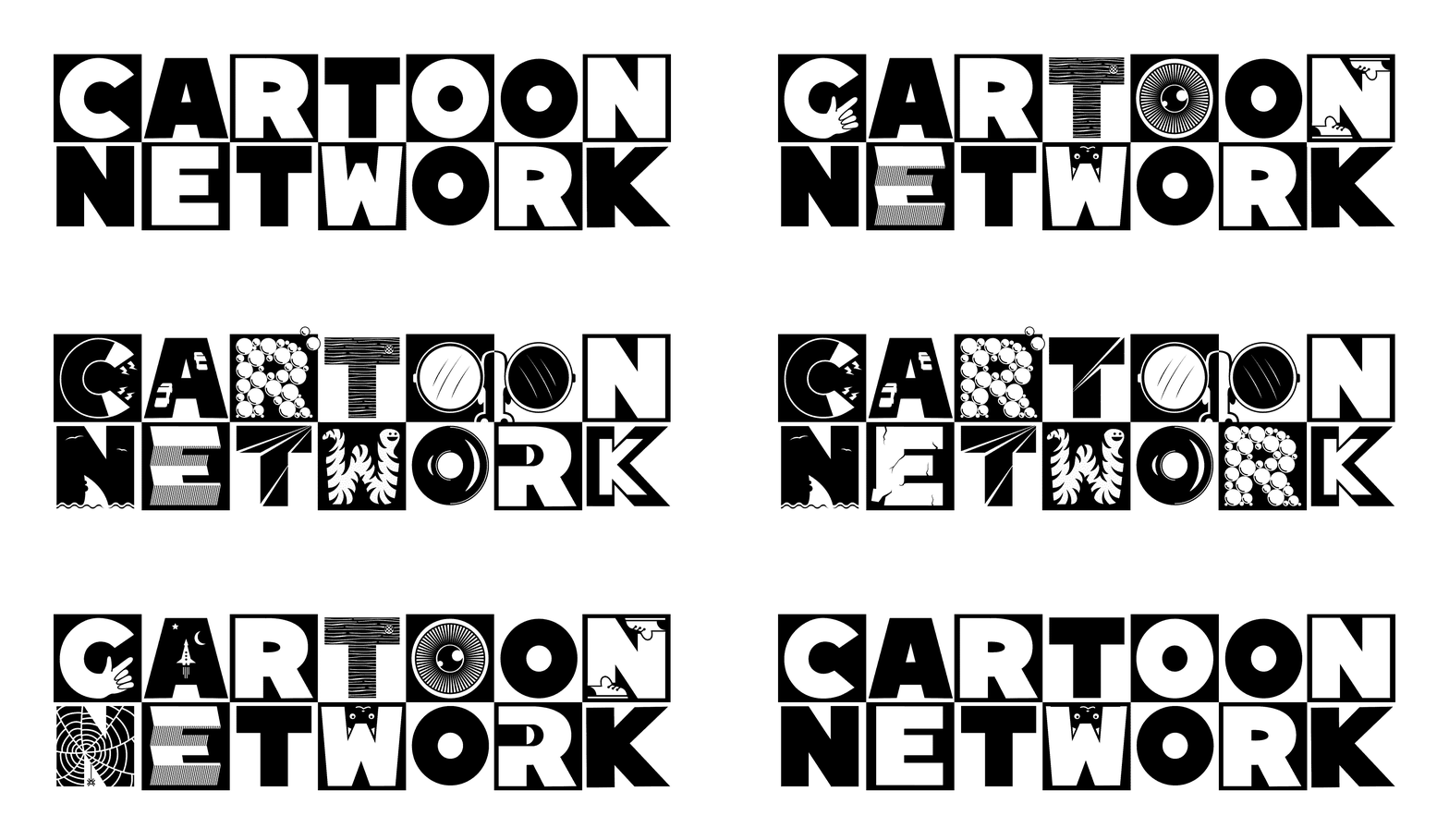
Cartoon Network Studios Arabia branding. Michael Woodruff. Behance
From the very beginning, Cartoon Network Studios was built as an idea lab. Here, the format of short animated pilots first appeared. These pilots were run on television and tested directly on viewers. This approach enabled the studio to identify the most successful projects and turn them into multi-season hits.
Cartoon Network actively attracts young authors and artists, giving them the opportunity to present their own concepts. As a part of different talent development programs, pilots were created, many of which became the basis for cult series.
This approach allowed the studio to build a system where risk is distributed and innovation becomes the norm, not the exception. Every new project is treated as an experiment, and success is measured not only by ratings but also by the ability of various characters and stories to penetrate mass culture.
For Warner Bros., Cartoon Network Studios plays a dual role: on the one hand, it is a commercial asset that generates profit through licensing, merchandising and international sales. On the other hand, it is a creative platform that shapes the corporation’s image as an innovator in the field of children’s content.
The studio’s economic model relies on revenue diversification: the release of animated series is accompanied by the sale of toys, books, video games, and digital content. This creates full-fledged media franchises that live much longer than the television seasons themselves.
Interestingly, the studio’s success is largely due to its ability to anticipate changes in media consumption. When traditional television began to lose ground to digital platforms, Cartoon Network Studios actively integrated into the online environment, distributing its content through streaming services and mobile applications. This made it possible to retain audience attention and maintain a leading position amid industry transformation.
The studio’s strategic advantages include, firstly, a flexible model for selecting ideas and a focus on creator-driven projects, which generate unique content. Secondly, the presence of Warner Bros' powerful infrastructure ensures global distribution and financial stability. Thirdly, Cartoon Network’s very reputation as a brand of innovative animation attracts young creators and viewers, creating a self-sustaining ecosystem effect.
At the same time, competition from independent studios and giants like Netflix and Disney+ forces the search for new formats. In this battle, Cartoon Network Studios relies on its main resource — the ability to create projects that become not just cartoons but cultural phenomena.
THEORETICAL FRAMEWORK: symbolic convergence
Symbolic convergence is a sense of community or group consciousness that develops within a group through task-irrelevant communication, such as stories and jokes. The creator of symbolic convergence theory, Ernest Bormann, argues that the sharing of group fantasies creates symbolic convergence.
A dramatizing message is a message that contains figurative language or other creative expression of an idea, such as allegory, anecdote, fable, pun, or narrative. According to Griffin, group fantasies are verbalized references that take the group beyond its 'here and now, ' including references to the group’s past, projections into the future or any other messages about people or events outside the group.
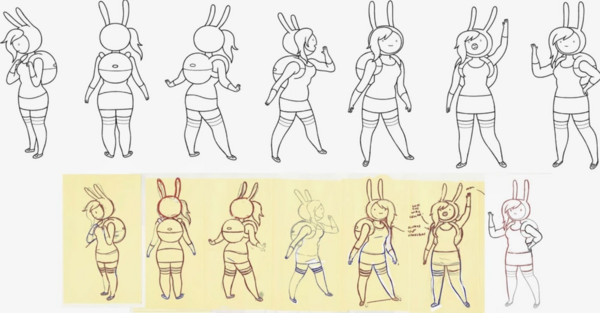
Concept art by Natasha Allegri
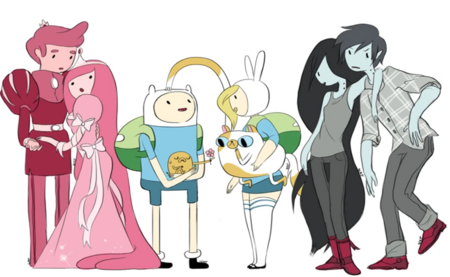
The most striking example of the studio’s interaction with the fan community is the story of the characters Fionna and Cake from the series Adventure Time. In her free time, production designer Natasha Allegri created these characters as gender-inverted versions of the main heroes — a girl named Fionna and a cat named Cake (versions of Finn and Jake). The series' creator, Pendleton Ward, legitimized the fan art by making the characters canonical — in the third season, an episode was presented where the stories about Fionna and Cake were presented as an in-universe fanfiction by the Ice King.
This «official appropriation» of Allegri’s work by the producers is a perfect example of symbolic convergence: a fan’s fantasy (although created by a studio artist, it originated as a side project on Tumblr) was picked up, officially recognized, and gave rise to numerous fantasy chains within the community. In response to the high popularity of the characters, Cartoon Network released the spin-off Adventure Time: Fionna and Cake, which received high critical acclaim and achieved cult status among fans. This example shows that gender-inverted characters created (and supported) by the studio became a powerful dramatizing message that united the community.
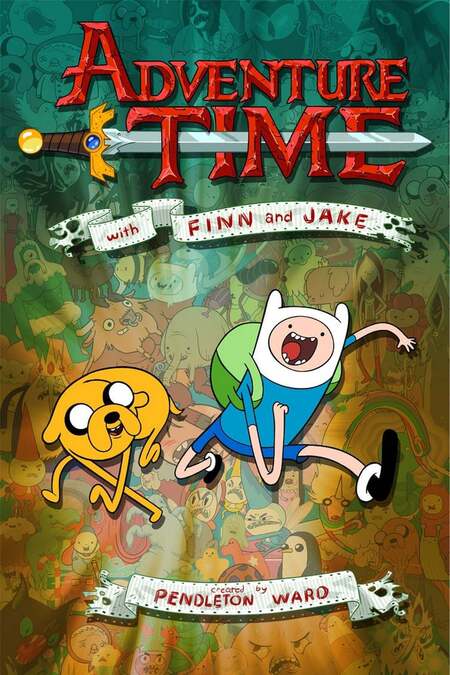
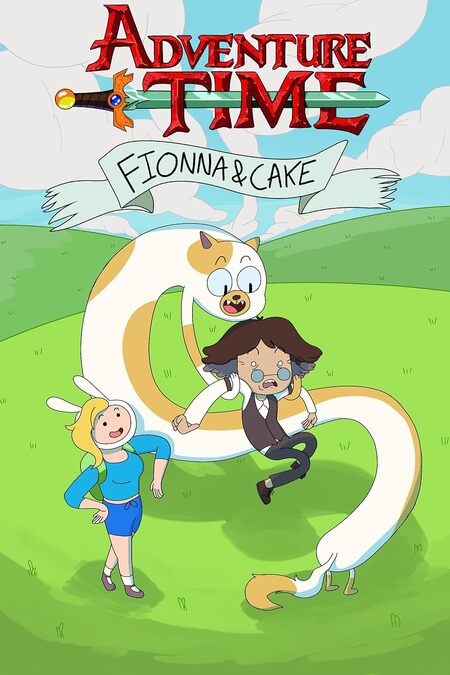
Adventure Time posters. Regular. Gender-swapped
Cartoon Network promotes the idea that all its shows exist within a single universe (by making crossovers), turning this meta-narrative into a foundation for fan theories. Fans pick up on this and build their own theories.
This idea echoes the similar 'Pixar Theory' (referencing the article), which posits that all shows may be somehow connected. This complex fictional world (multiverse) resonates with the fans' material world: the community creates images based on this fiction and shares them with each other, giving the original fiction new meaning.
Thus, this kind of dialogue — a convergence — occurs between the brand and its viewers.</font color=D51E7E> The brand plants an idea, and fans develop it in various directions. A rhetorical vision emerges: «The world of Cartoon Network is a single, complex, interconnected universe full of secrets that the community can decipher.»
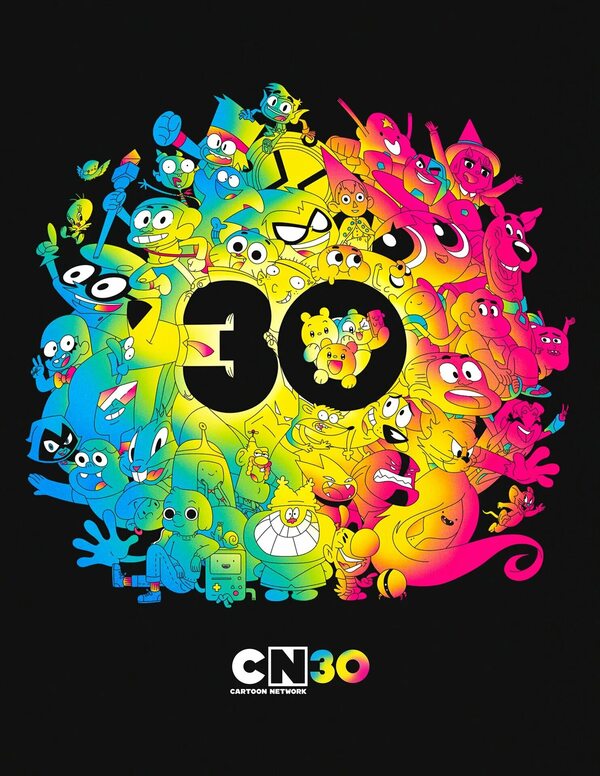
«Hook Up Animation CN 30 Years Campaign». YouTube
Within the framework of symbolic convergence theory, Cartoon Network turns fan theories into a strategic brand asset. The rhetorical vision of a single universe is not just about encouraging fans to 'play' with the content. It is a conscious creation of a shared mythology that: gives fans work; gives them identity; gives them a sense of community. This is why even old Cartoon Network shows continue to live on and generate discussions for decades later. The brand sold not just cartoons, but an endless puzzle that the community pieces together.
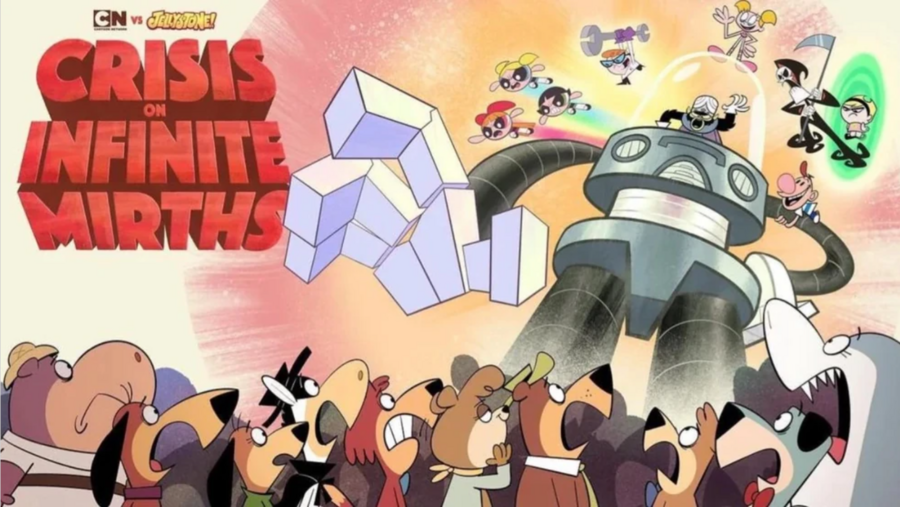
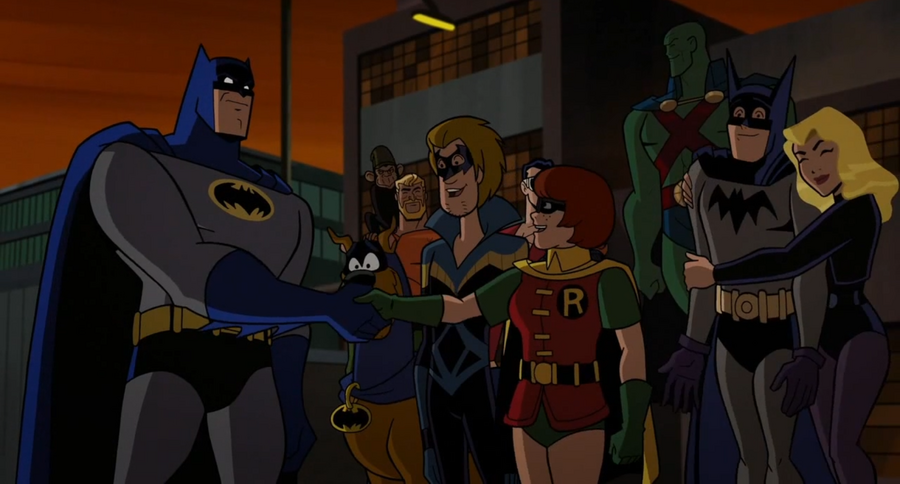
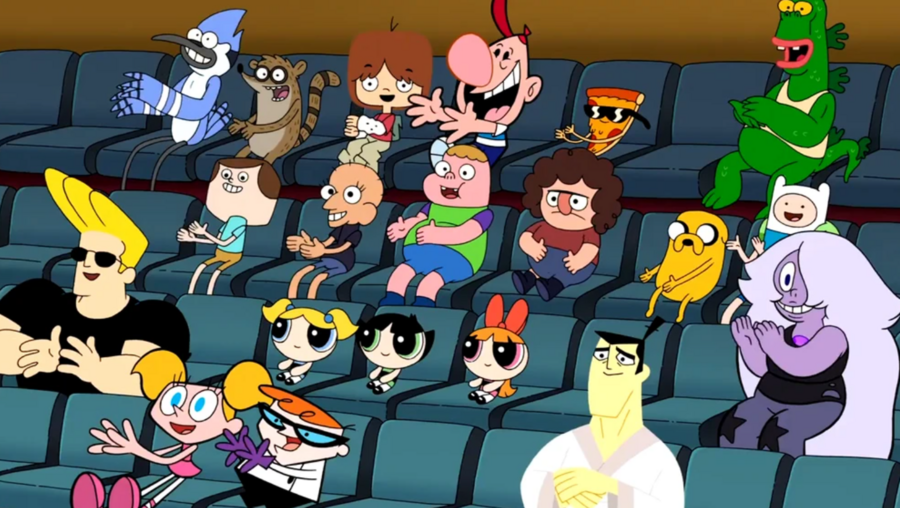
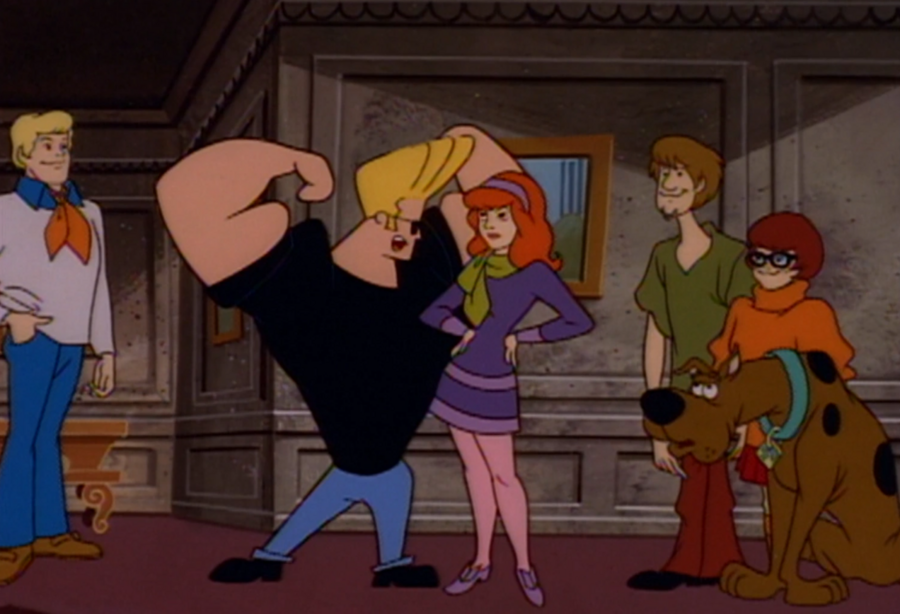
Сollaborations Cartoon Network’s animated series
Cartoon Network is an example of a brand that not only allows the community to fantasize about its universes but actively participates in this symbolic convergence, becoming part of an ecosystem where the line between producer and consumer blurs. By utilizing all the elements of symbolic convergence, Cartoon Network builds long-term loyalty and transforms a passive audience into active co-creators and brand advocates.