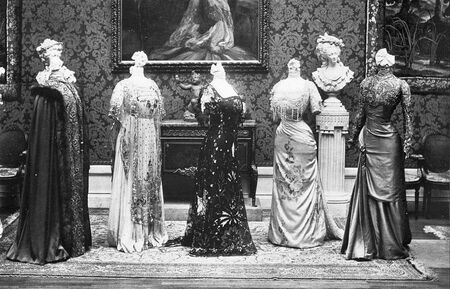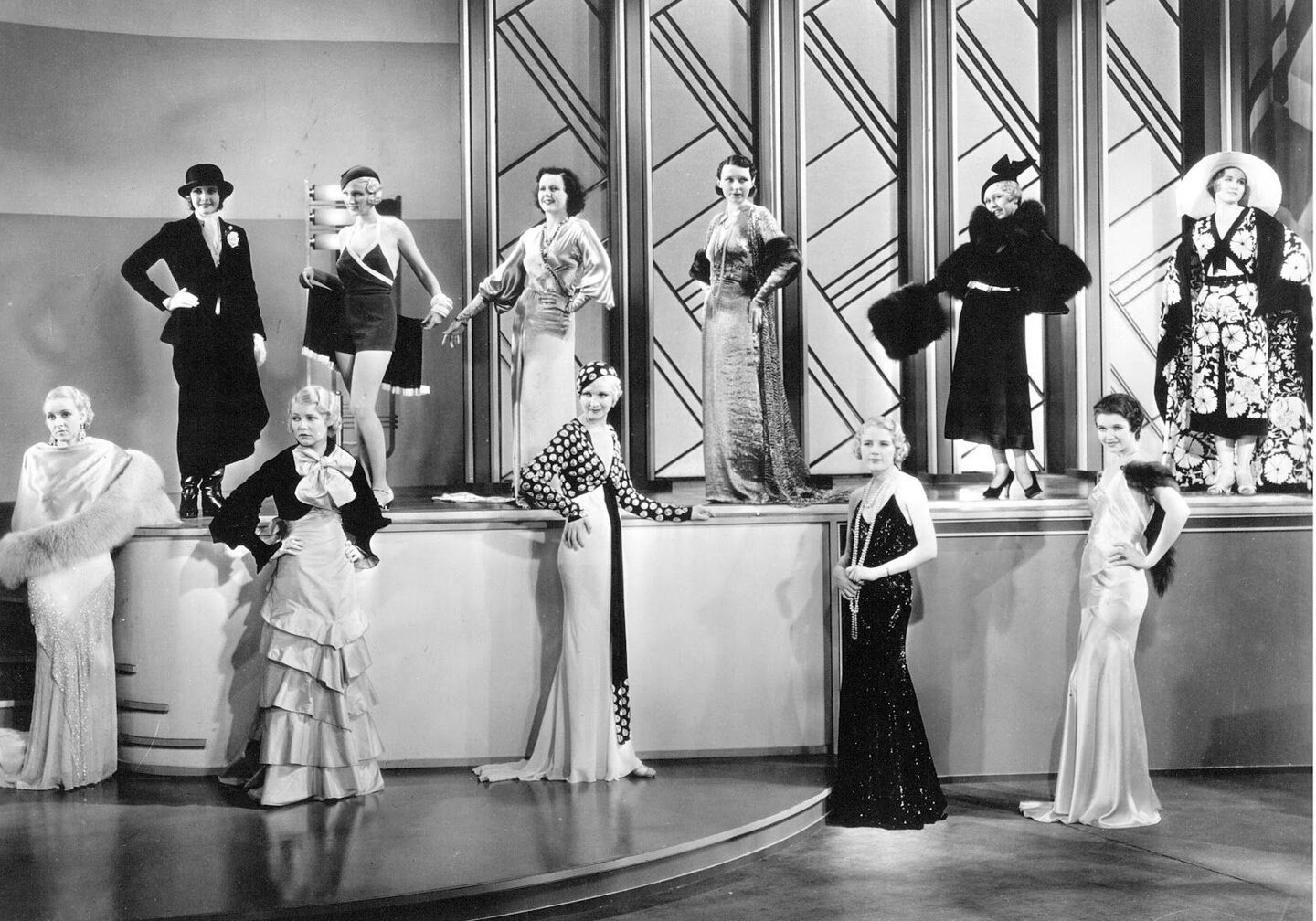
THE GREAT DEPRESSION
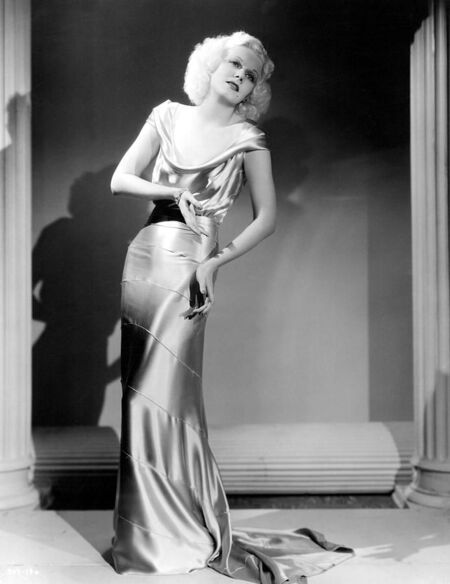
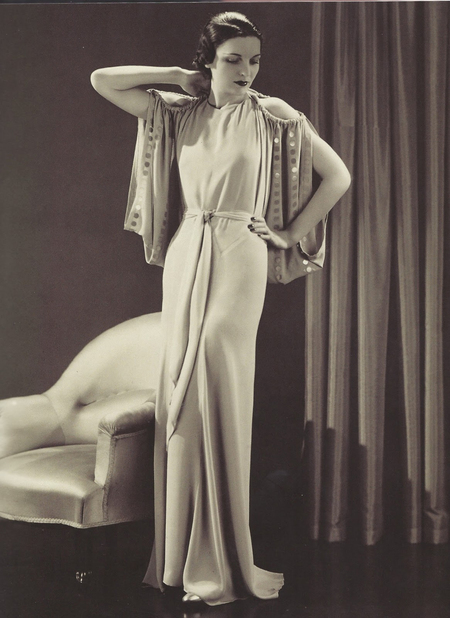
Left: Gene Harlow, 1930s // Right: Lucien Lelong evening gown, 1930s.
In the early 1930s, many conservatives began to denounce the culture of the 1920s for its excessive flamboyance and vulgarity. This was partly due to the onset of the Great Depression, which served as a stark contrast to the carefree life of the previous decade. Skirt lengths sharply return to the maxi style, referencing the late 19th century. This signifies a recursion back to a time when everything was supposedly stable and proper. Fitted dresses, flowing fabrics, and puff sleeves become fashionable, and the waistline is reestablished. A neo-romantic branch characterizes the first half of the decade, while the second half favors more austere suits. The conservatism in fashion was dictated not only by external circumstances but also by a desire to return to past norms.
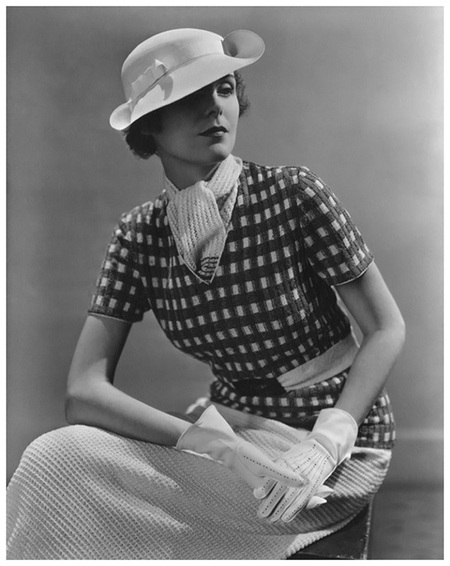
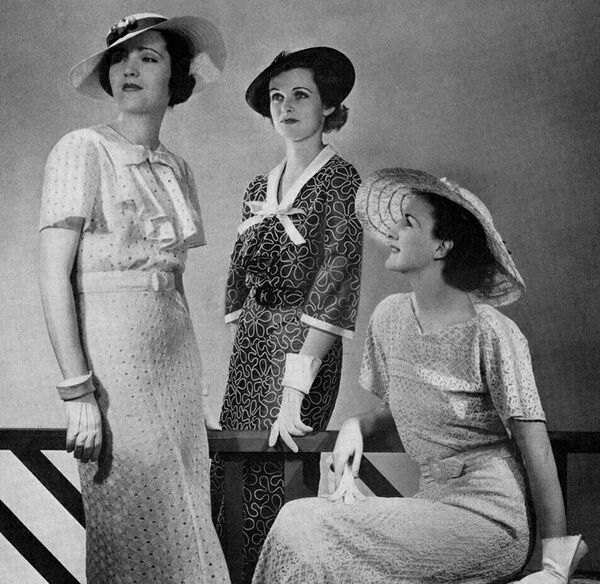
Left: Vogue, 1935 // Right: Women’s Fashion, 1930s
THE ROLE OF ACCESSORIES
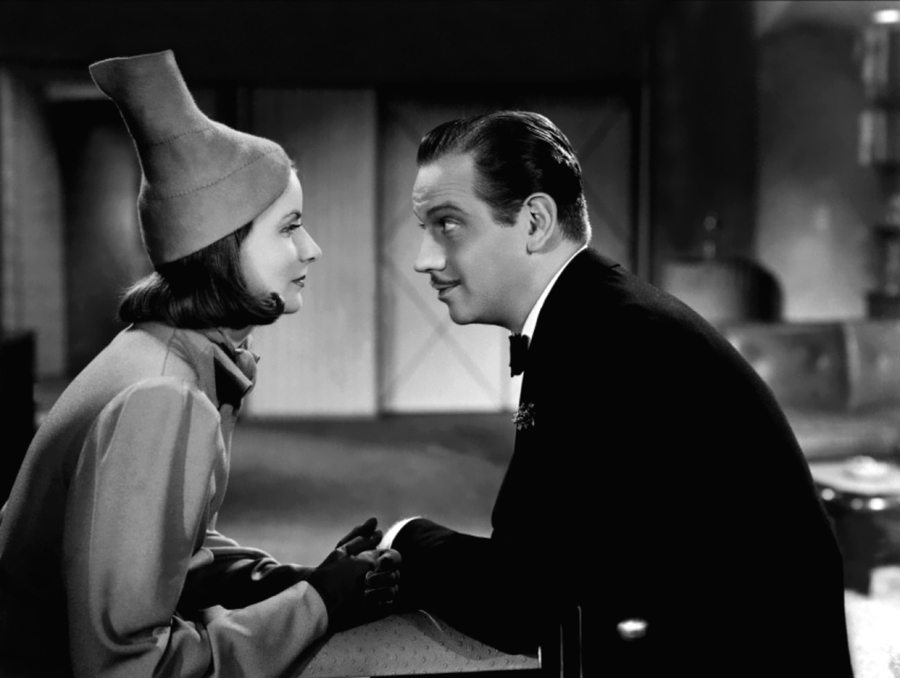
A scene from the film «Ninochka,» directed by Ernst Lubitsch, 1939.
The fashion industry suffered significantly in the 1930s because it began losing its clientele. Perfumery and cosmetics, in a way, «pulled» the fashion industry through the Great Depression. A great deal of attention during this time was devoted to accessories. Unlike the bags of the 1920s, which were not very convenient and often featured a round handle, the bags of the 1930s were envelope-style, making them easier to carry. In addition to bags, footwear played a major role. High-heeled shoes with bulky fastenings and stable heels went out of fashion. Platform shoes (for example, made of cork) became the most popular.
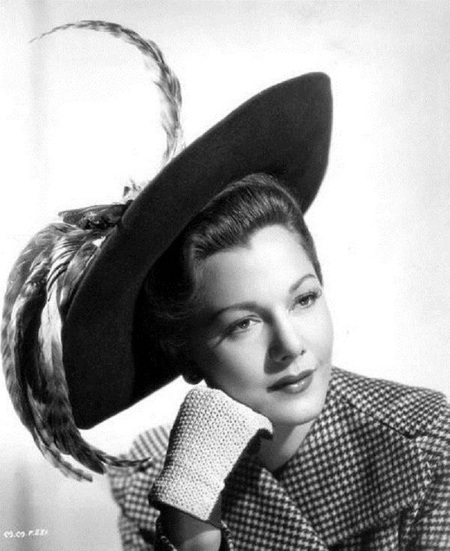
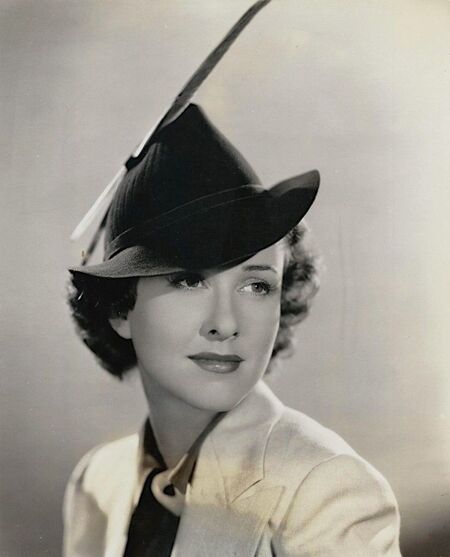
Variations of Women’s Hats, 1930s
Headwear from the 1930s featured wide variability. These could be asymmetrical hats, varied in both shape and decoration. Complex tailoring defined the concept of an additional accessory.
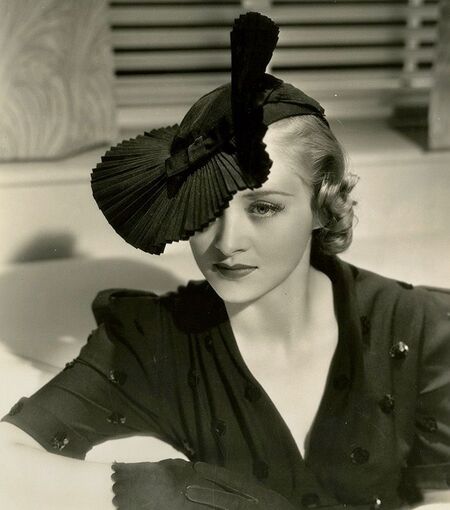
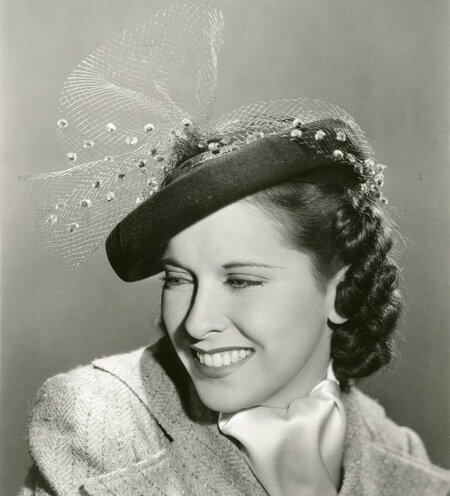
Variations of Women’s Hats, 1930s
THE INFLUENCE OF HOLLYWOOD CINEMA
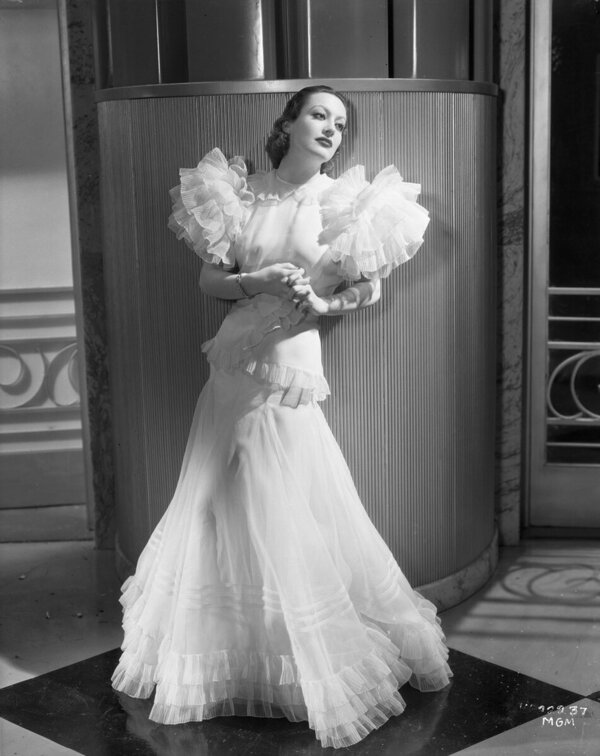
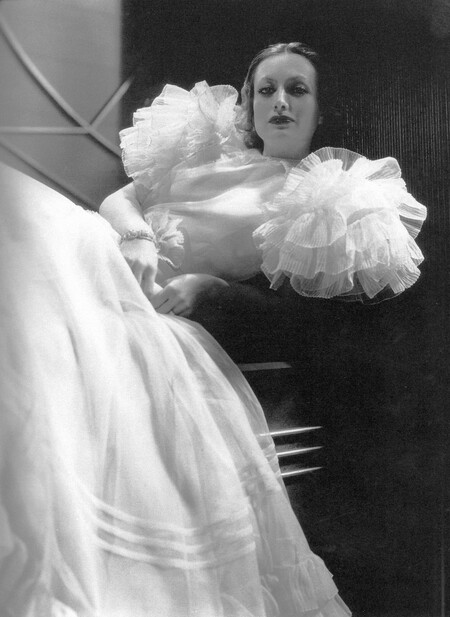
Letty Linton’s dress from the film of the same name, 1932.
Lettie Linton’s dress for actress Joan Crawford was designed by costume artist Adrian. The dress is named after the character (Lettie Linton), just as the film is. In Hollywood during the 1930s, there was a practice where clothing from the screen needed a life after the film. While the movie was being shot and released, the Waldman bureau created the costumes and sold them. Lettie Linton’s dress, featuring emphasized shoulders, sold in unprecedented quantities.
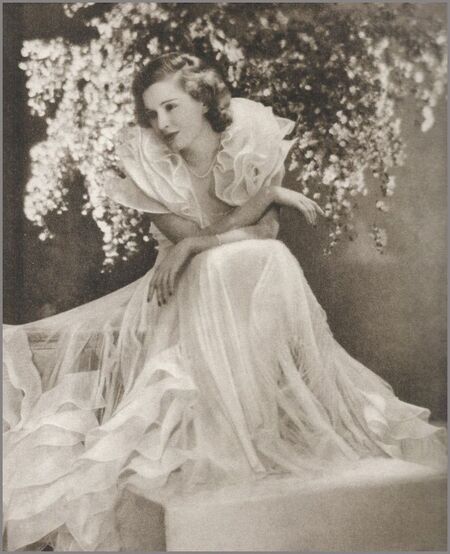
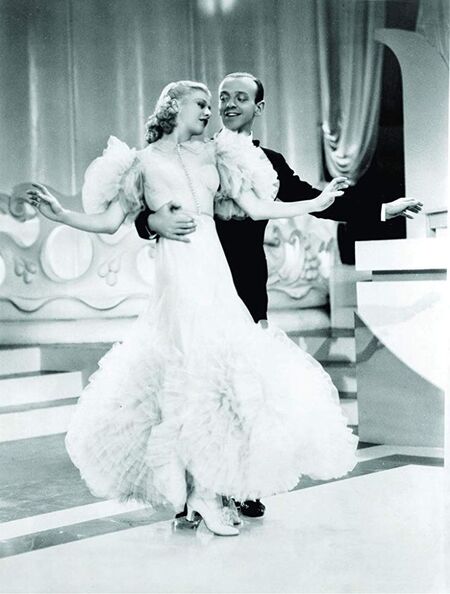
Left: Lili Damita, photograph of Baron de Meyer, 1933 // Right: «Swing Time, ” George Stevens, 1936.
«We couturiers today cannot do without film, and the film industry cannot do without us. We support each other’s instincts.»
— Lucien Pellong
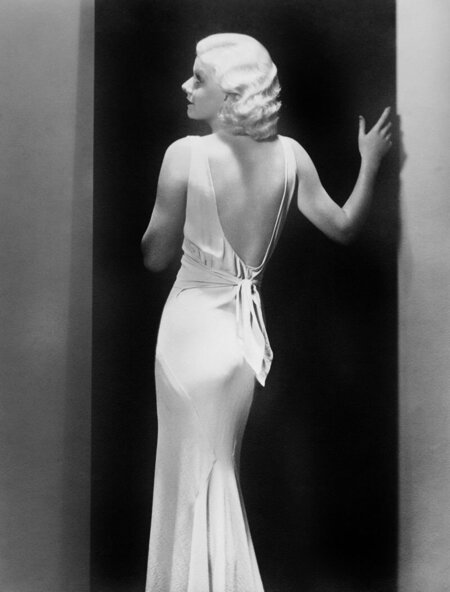
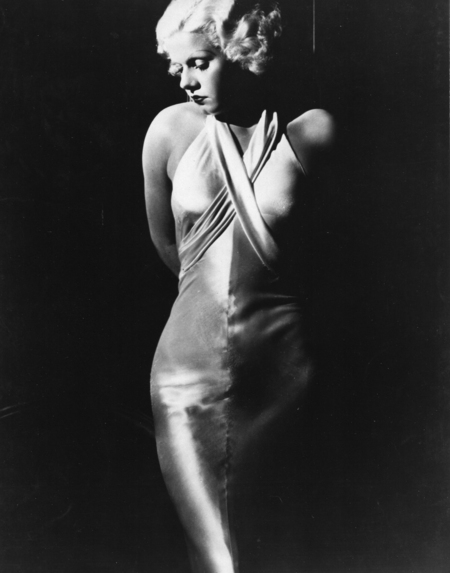
Gene Harlow, 1930s
Another trend initiated by Hollywood—the open back. The ethical code adopted by studios to avoid state censorship prohibited revealing necklines, but this did not apply to the open back.
Ginger Rogers, Actress for Vogue Magazine. New York. 1935
MATURATION OF THE MILITARY CONFLICT
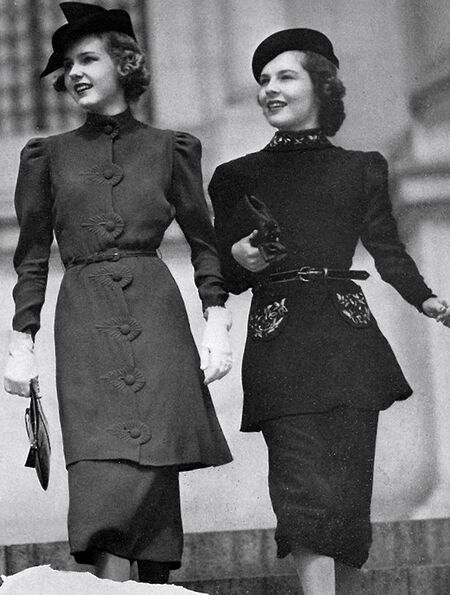
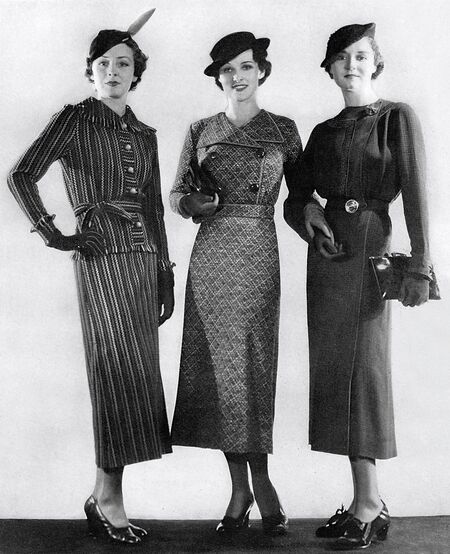
1930s Costumes.
Meanwhile, World War II was brewing in Europe, so the character of the strictness embodied by the fashion of the late 1930s was tied to economic policy and military threat. Broad shoulders, slim skirts ending at the calf. Shorts and trousers were still inadmissible, but they appeared in the gym and at the beach. The «sweater girl» phenomenon emerges.
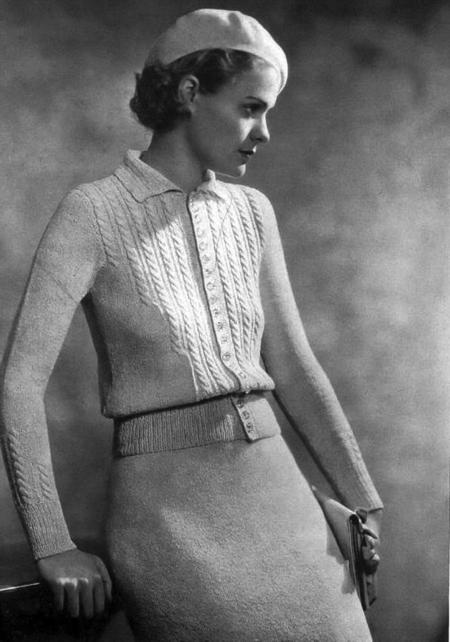
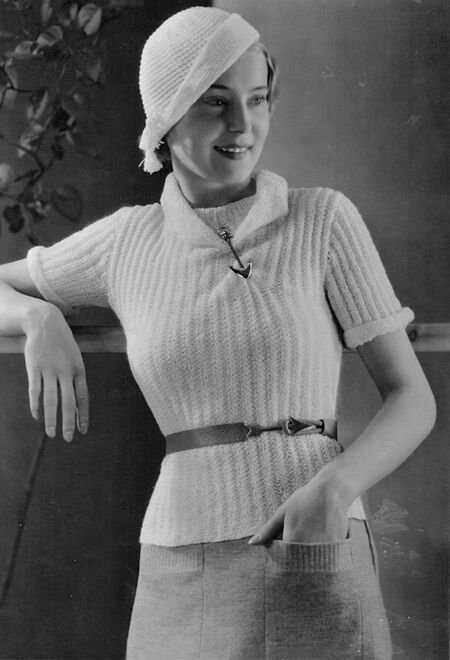
Girls in sweaters, 1930s
WOMEN’S PANTS
Marglen Dietrich with her husband Rudolf Sieber at the Paris train station, 1930.
Trousers were not worn by everyone in the 30s, but men’s style and sportswear had an influence on women’s fashion. A major role in introducing menswear into women’s fashion was played by the style icon of that era—Marlene Dietrich—who appeared in trousers and even men’s suits on screen, as well as in her everyday life.
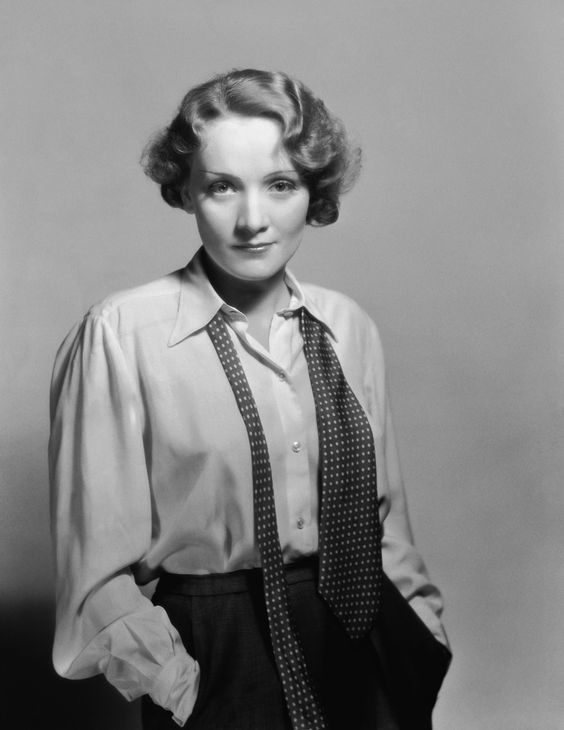
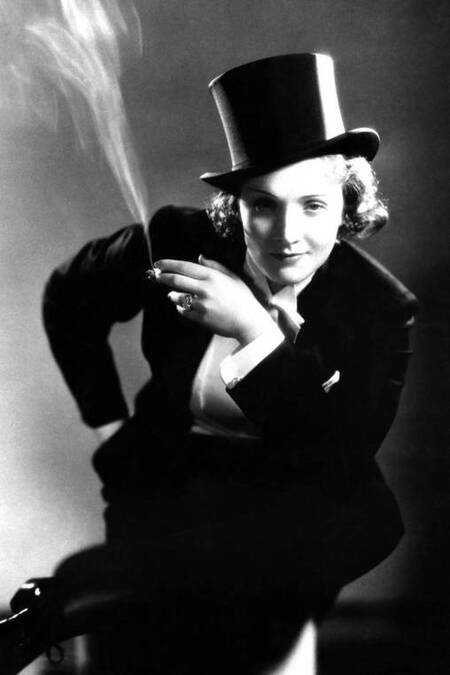
Marlene Dietrich for the film «Morocco,» 1930