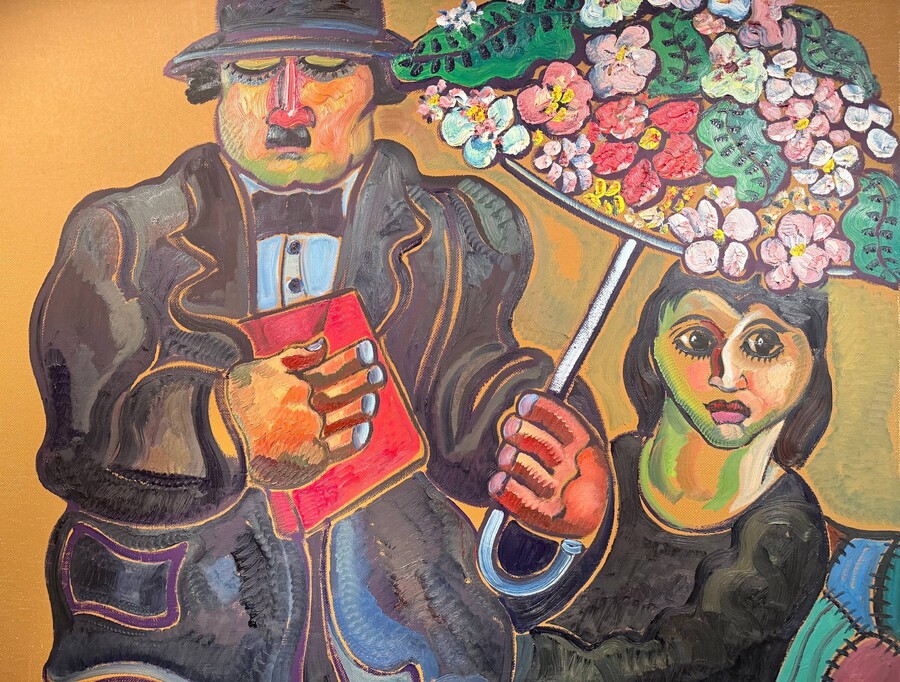
Zurab Konstantinovich Tsereteli is a renowned Georgian and Russian artist, sculptor, architect, and master of monumental art. His work is distinguished by vibrant colors, unconventional characters, expressive faces, and a fusion of reality with fantasy.
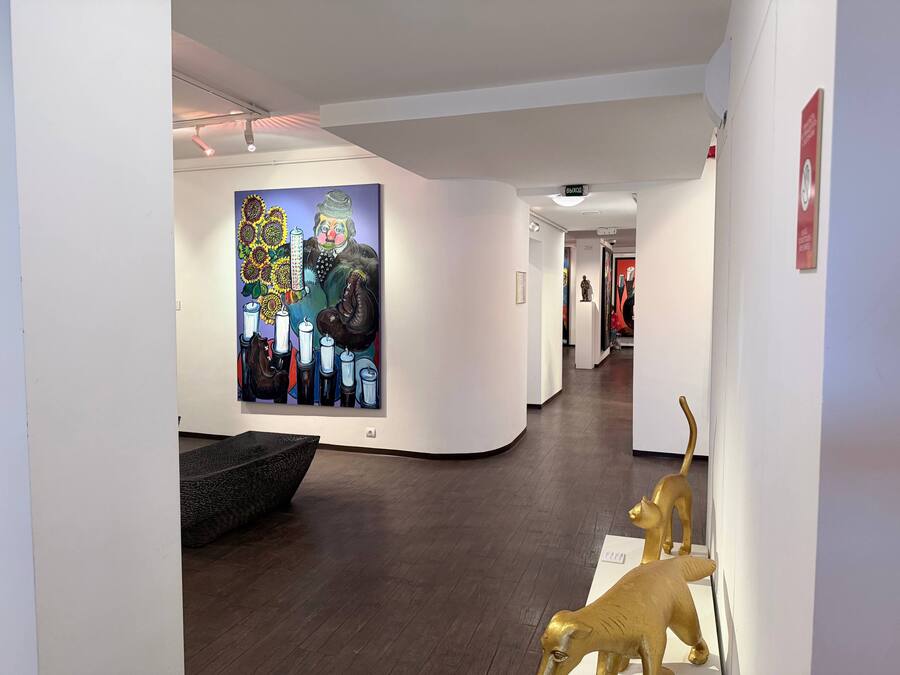
Tsereteli was interested in the art of various countries and eras. His work blends Georgian cultural traditions, European painting, history, mythology, and contemporary life. His creativity was influenced by meetings with renowned artists, including Pablo Picasso and Marc Chagall in Paris during the 1960s. His work elicited varied reactions—some praised the scale and expressiveness of his pieces, while others criticized certain monumental projects. Nonetheless, Tsereteli left a significant mark on the history of contemporary art and on the appearance of Moscow.Address of the Zurab Tsereteli Museum-Studio: Moscow, Bolshaya Gruziyskaya Street, Building 15.
In one of the rooms, a workshop has been recreated where Ceretelli worked on his pieces from the 1990s to the 2010s.
Here, you can see how paintings were created, sketches were developed, and the ideas for future monuments emerged.
A recurring theme in his paintings is sunflowers and other flowers. The artist loved vibrant colors and paid great attention to color combinations.
In floral arrangements, yellow hues can contrast beautifully with green, blue, and red colors, evoking a sense of light, warmth, and energy. Beyond the flowers themselves, the viewer’s attention is drawn to the overall mood of the composition, the expressiveness of the forms, and the interplay of colors.
Flowers allowed Tsereiteli to experiment with color and composition, transforming ordinary natural motifs into independent artistic images.
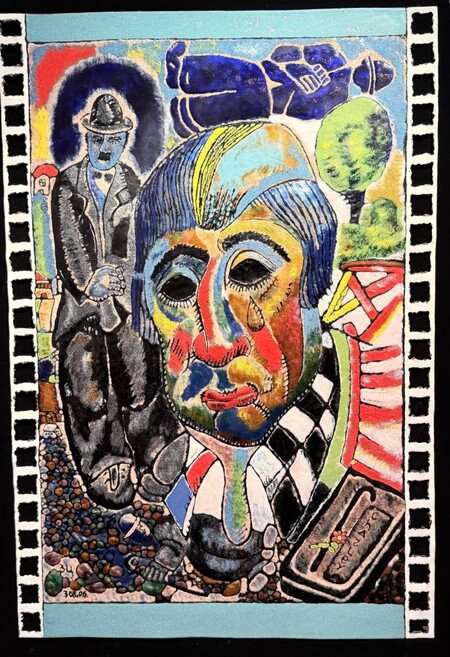
Paintings featuring clowns and cheerful characters occupy a special place in the artist’s work. These figures appear in both paintings and sculptures. Tsereleteli’s clowns capture attention through saturated colors, colorful costumes, unusual faces, and expressive poses.
Yet, in art, the clown can be not only funny but also thoughtful, sad, or enigmatic. Behind the character’s vivid exterior, various human emotions—joy, surprise, and loneliness—are sometimes hidden.
Cereteli’s work also features historical and mythological motifs connected to ancient culture and ancient Greece.
Ancient Greek art left an immense legacy: myths of gods and heroes, imagery of mythological creatures and Muses, and traditions in depicting the human figure. In ancient Greek culture, the Muses were considered patrons of the arts and sciences; therefore, their images are linked to creativity, music, poetry, and knowledge. The artist did not merely reproduce past traditions but synthesized them with their own artistic language, utilizing expressive forms, unusual colors, and imagination.